
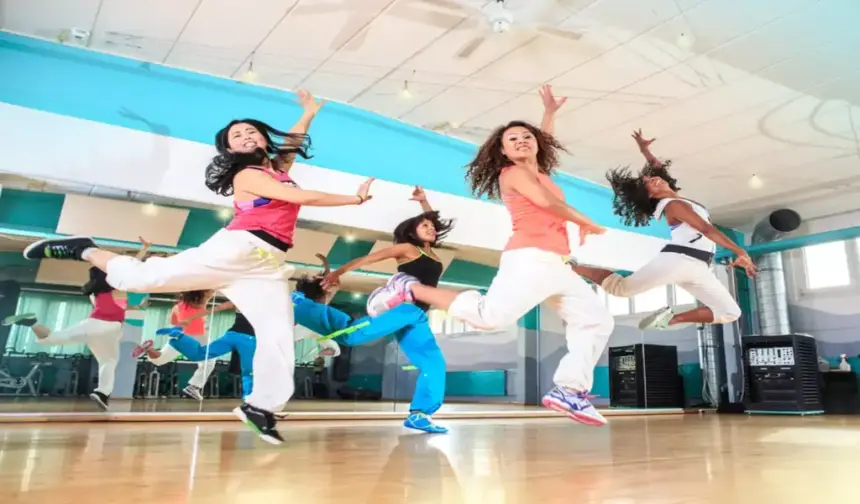
Dancing can feel like medicine because it pairs physical movement with music, mental focus, and often time with other people. The phrase describes possible support for well-being, not a cure for illness or a replacement for medical care.
Research suggests dance may benefit some aspects of mood and cognition, though results vary and dance doesn’t consistently outperform other physical activity. For a broader look at realistic ways to stay active and connected, explore how dance may support your body, mind, and social life.
Key Takeaways
- Dancing combines movement, music, and often social contact, which may support well-being. It can complement medical care, but it isn’t a cure or replacement for treatment.
- Research suggests dance can benefit mood and cognition, especially in studies of older adults. However, results vary, and a systematic review comparing dance with other physical activity found mostly similar effects.
- Dance may offer some of the same mood and memory benefits as regular exercise, so choose an activity you can enjoy and keep doing.
- Group classes can create opportunities for social connection. Adapt the pace and movements to your fitness, mobility, and health needs.
Why Is Dancing Called the Best Medicine?
People call dancing the “best medicine” because it brings several engaging parts of an activity together: physical movement, learning, music, and often social contact. The phrase describes a possible boost to well-being, not a medical treatment or a guaranteed result.
Dance engages your body and mind
While dancing, you move your body and pay attention to rhythm, timing, and steps. Learning a sequence gives your brain something active to do, while music can make movement feel more enjoyable. A 2024 review found that dance can support psychological and cognitive health, though its effects were generally similar to other structured physical activities. The researchers found only preliminary evidence that dance may offer extra benefits for some outcomes, such as emotional well-being and memory, as the University of Sydney explains.
Dancing can add a social lift
In a class or group, shared movement creates a reason to connect with other people. That social element can make dancing feel more enjoyable and easier to return to, as seen in Lumpini Park’s group aerobics scene. Still, each person’s experience differs, and dance doesn’t replace professional care for a physical or mental health condition.
How Dancing May Support Your Body, Mood, and Brain
Dance combines physical movement with rhythm, memory, and, often, social contact. Research suggests it may support some aspects of well-being, but the effects vary and don’t make dance a substitute for medical care.
Movement can build balance, coordination, and confidence
Learning steps asks your body to shift weight, change direction, and coordinate movements with a beat. With practice, these repeated challenges can help you feel more comfortable moving. Choose steps and intensity that fit your mobility and fitness level.
Research involving people with Parkinson’s disease has found improvements in areas such as gait, balance, and coordination. Those findings apply to the studied groups, however, and don’t guarantee the same results for everyone.
Music and learning steps may lift mood and engage the mind
Listening for a beat, remembering a sequence, and adjusting your movements keep your attention engaged. Music also gives you a way to express emotion, which may make dancing enjoyable and support a brighter mood. A 2025 review of adults aged 60 and older found a small average cognitive benefit and a larger benefit for depression across the included trials (the review’s findings on dance and older adults).
Still, a 2024 review found that structured dance generally offered benefits similar to other physical activity. Possible advantages in select areas remain preliminary, so dance shouldn’t be described as a proven treatment for depression or a way to prevent dementia. Other movement, including walking to support mood and focus, may also suit people who prefer a simpler routine.
Dancing with others can make connection part of the experience
A group class gives people a shared activity and a natural reason to interact. Following the same routine can help participants feel included, while community aerobics in Bangkok’s parks offers one example of group movement in a public setting.
These social opportunities may feel meaningful, but they aren’t proof that dance reliably reduces loneliness. The experience depends on the person, the group, and whether the setting feels welcoming.
How to make dance a helpful part of your routine
There’s no single dance style or weekly dose proven best for everyone. Choose a format you enjoy, start at a manageable pace, and treat dancing as one way to support well-being, not as medical care.
Choose a format that fits your needs
A recreational dance class or dance workout offers movement, music, and instruction. You can also dance at home to a few favorite songs or try short home exercise routines if a brief session feels easier to fit into your day.
Dance/movement therapy is different. It’s a form of psychotherapy provided by a trained therapist, not simply a dance class. The American Dance Therapy Association’s description of dance/movement therapy explains its therapeutic purpose. A dance instructor isn’t necessarily a therapist, and a class doesn’t replace mental health care.
Adapt the pace and steps to stay comfortable
Start with simple steps and take breaks when you need them. As you get used to the movement, you can adjust the pace or try a longer session if it feels comfortable. Consistency matters more than choosing a particular genre or following a fixed routine.
If you have pain, balance concerns, limited mobility, or a health condition that affects exercise, choose movements that feel suitable. A health professional can help you decide what’s appropriate when you’re unsure. Stop if a movement causes pain, dizziness, or unusual shortness of breath.
Frequently Asked Questions
Dance can be a flexible way to add movement to your life, but the right approach depends on your goals, preferences, and health. These answers cover common questions about getting started and setting realistic expectations.
Can dancing replace exercise or medical treatment?
Dancing counts as physical activity when it gets you moving, but research hasn’t shown that it’s better than other forms of exercise across the board. It can complement your routine, but it shouldn’t replace prescribed treatment or advice from your healthcare professional.
How often should I dance to feel a benefit?
Studies use different dance programs, so they don’t establish one ideal schedule for everyone or guarantee a particular result. Choose a routine you can maintain, and remember that dance may contribute to general activity goals when the pace is moderate; the CDC’s adult activity guidelines offer a broader reference. You can also explore simple ways to add movement to your daily routine.
Does the type of dance matter?
Research has examined many dance styles and programs, and no single style is established as best for every health outcome. Pick an option you enjoy and can access, then adjust the movements to suit your ability.
Can beginners benefit from dancing?
You don’t need dance experience to start. Try simple steps at home or choose a beginner-friendly class where you can move at your own pace and take breaks.
Is dancing safe for older adults or people with health conditions?
Safety depends on your health, balance, mobility, and the intensity of the dance. Adapt the steps or choose a class with appropriate support, and ask a healthcare professional for guidance if you have a condition, pain, or concerns about falling.
Conclusion
Dancing is called the best medicine because it can bring movement, focus, enjoyment, and connection into one activity. Research suggests it may support mood and cognition, though its effects vary and are often comparable to other forms of physical activity.
Try a comfortable style or pace that suits you, and keep realistic expectations. Dance can add to your well-being, while medical care remains the right support for health concerns.