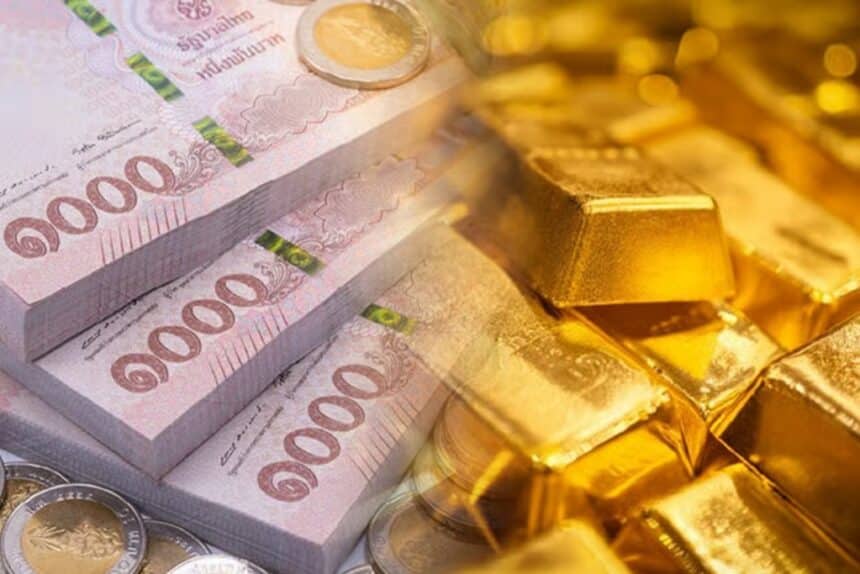
BANGKOK— Gold prices plunged below $3,600 an ounce on Friday, shedding more than 30% from their January record high as a surging U.S. dollar and bets on fresh Federal Reserve interest rate hikes drained appetite for bullion. Spot gold dropped 2.8% to $3,518.50 an ounce in New York trading, marking its steepest weekly decline in eight months and hitting a 14-month low.
The sell-off reverses a historic rally that carried the metal to an all-time peak of $5,589 an ounce on Jan. 29. Across global trading desks from New York to Bangkok, portfolio managers dumped non-yielding bullion to lock in gains, cover steep losses in technology equities and raise cash amid escalating Middle East conflict.
Key Takeaways• 30% Peak-to-Trough Drop: Spot gold fell to $3,518.50 an ounce on Nov. 20, down more than 30% from its Jan. 29 record high of $5,589. • Dollar and Rate Pressure: A 19-month high in the U.S. dollar and expectations of a December Federal Reserve rate hike made yield-bearing bonds far more attractive than bullion. • Liquidity Crunch: Rather than flocking to gold during Middle East hostilities, investors sold bullion to raise cash and cover margin calls from falling artificial intelligence stocks. |
Dollar Rally and Rate Bets Crush Bullion
Currency markets delivered the sharpest blow to precious metals this week. The U.S. Dollar Index held firm near a 19-month peak above 103.60 points, instantly inflating the cost of dollar-priced bullion for buyers holding euros, yen or Thai baht. When foreign currencies weaken against the greenback, physical demand across major Asian and European hubs slows.
Bond yields compounded that pressure. Traders aggressively priced in a December interest rate increase by the Federal Reserve after stubborn inflation readings dampened hopes for monetary easing. Unlike U.S. Treasuries or corporate debt, gold pays no interest or dividends. Rising yields widen the opportunity cost of holding bars in a vault.
“Expectations that U.S. rates would soon rise and that inflation might persist were keeping yields high and the dollar strong, both of which were putting pressure on gold,” said Kyle Rodda, senior financial market analyst at Capital.com. December U.S. gold futures mirrored the spot slide, tumbling 4.5% to settle at $3,519.10 an ounce.
Profit-Taking and Margin Calls Drain Safe-Haven Bid
Gold entered 2026 on a parabolic tear that left institutional portfolios heavily overweight in precious metals. Once momentum stalled below key technical support levels, automated sell programs and fund managers rushed to lock in remaining yearly gains before year-end book-closing.
Escalating conflict in the Middle East failed to trigger the textbook flight to safety. Instead, heightened geopolitical volatility sparked a broader liquidity squeeze. When oil prices swing and equity markets wobble, institutional desks often sell their most liquid winners first to build cash buffers.
A sharp slide in artificial intelligence stocks accelerated that liquidation. As high-flying tech shares tumbled on Wall Street, leveraged funds sold gold contracts to meet broker margin calls and offset equity losses. Bullion stopped acting as an insurance policy and functioned instead as an automated teller machine for distressed portfolios.
Historical Precedents and Main Street Fallout
Financial history shows that gold frequently stumbles during the opening phase of acute liquidity shocks. During the March 2020 pandemic panic and the 2008 financial crisis, spot gold initially dropped alongside stocks as institutions liquidated everything for U.S. dollars, recovering only after central banks injected fresh liquidity.
The current downturn stands in stark contrast to official-sector demand earlier this year. According to third-quarter data from the World Gold Council, central banks bought 321 metric tons of gold between July and September, pushing year-to-date sovereign purchases to 675 tons—6% ahead of 2025’s pace—led by aggressive accumulation from Poland and China. Yet even steady central bank buying could not absorb the wave of Western futures selling in November.
Upstream miners and Main Street retailers now face abrupt operational adjustments. Gold producers that budgeted around $4,200-an-ounce quarterly averages face narrower margins on high-cost mines. Meanwhile, retail bullion hubs are seeing sudden price resets.
In Thailand, where gold is a primary household savings vehicle, domestic prices plunged 2,300 baht in a single session on Friday to 57,600 baht per baht-weight—down from January’s record 81,950 baht—according to the Gold Traders Association, catching retail buyers off guard while drawing bargain hunters back to shop counters.
Trending News:
Singapore Challenges West For Asia’s Gold Deposits
Bangkok’s Annual Golden Mount Temple Fair: A Complete Guide