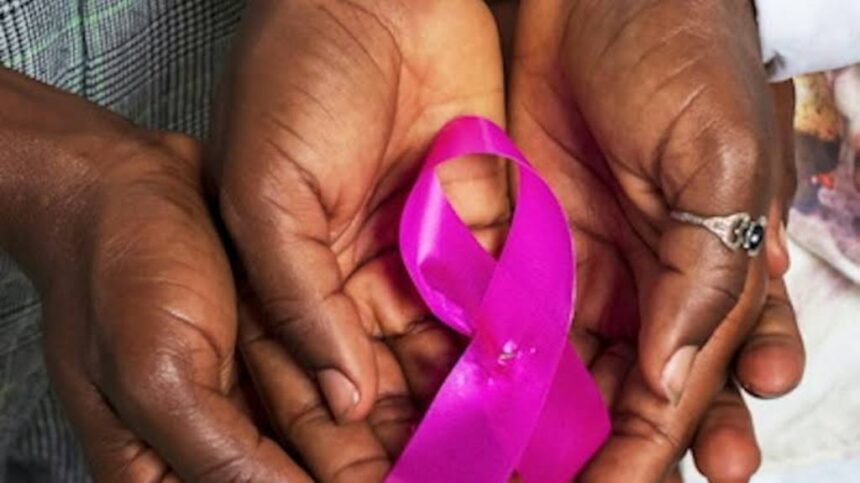
The Black Breast Cancer Alliance and Bexa partnership aimed to make early breast health checks more accessible to young Black women. Announced on December 7, 2023, the collaboration brought together TOUCH, The Black Breast Cancer Alliance (TOUCHBBCA), and the Bexa Equity Alliance (BEA).
The partners planned to combine community outreach with opportunities for Bexa exams, with initial work targeted for early 2024. The important distinction is between announced plans and demonstrated results.
The organizations’ roles, the exam’s capabilities, and the limits of the available evidence help put that goal in context.
Key Takeaways
- TOUCHBBCA and BEA announced their partnership in December 2023, with initial implementation targeted for early 2024.
- The planned outreach centered on For the Love of My Gurls, serving Black women ages 18 to 35.
- Bexa uses pressure mapping to help identify breast masses; it doesn’t replace mammography or diagnose cancer.
- Public information describes program plans, but doesn’t establish a verified screening total or health outcomes for this collaboration.
Black Breast Cancer Alliance and Bexa Have a Strong Partnership
The December 2023 partnership announcement described complementary responsibilities: TOUCHBBCA would contribute its community connections, while BEA would expand access to Bexa exams. The proposed effort involved community organizations in major US metropolitan areas, rather than a quantified national screening rollout.
How TOUCHBBCA and the Bexa Equity Alliance work together
TOUCHBBCA focuses on Black breast cancer awareness, education, and community support. Its campaign offered a way to introduce breast health conversations through an organization already focused on the audience the partnership hoped to reach.
BEA’s role centered on expanding access to the Bexa Breast Exam. Bringing those roles together could connect education with an opportunity for an examination. However, the announcement didn’t establish how consistently that connection happened or what followed an abnormal finding.
The campaign focuses on young Black women
For the Love of My Gurls serves Black women ages 18 to 35. The partners planned to add Bexa screening opportunities to campaign events, with the announcement targeting the first quarter of 2024 for initial work.
That age range describes the campaign’s audience. It isn’t a recommendation that every woman in that group needs the same examination or screening schedule. Symptoms, family history, and other personal factors still belong in the medical conversation.
Why community-based breast health access matters
A familiar community setting can make it easier to start a conversation about breast health. Still, Black women don’t all face the same barriers or have identical medical risks.
Making screening conversations easier to reach
Community events can offer space to ask questions without first arranging a separate medical appointment. Participants may learn which changes deserve attention and how to describe a concern to a clinician.
Community delivery also appears in other settings, including mobile mammography in Chiang Rai, a separate Thai initiative using mammography rather than Bexa. The shared idea is bringing services closer to people, although the examinations and programs differ.
For TOUCHBBCA and BEA, easier conversations and better access were potential benefits of the proposed approach, not established outcomes.
Connecting early detection with follow-up care
Finding a concern is only one step. A participant may need a clinical assessment, diagnostic imaging, or further testing before anyone can explain what the finding means.
For that reason, referral arrangements matter as much as the event itself. Transportation, appointment availability, and the cost of additional care can affect whether someone completes follow-up.
An outreach program needs a clear path beyond the initial examination. Without documented follow-up information, an exam count alone wouldn’t show whether participants received the care they needed.
How the Bexa Breast Exam works, and what it cannot do
Bexa uses pressure elastography to assess how breast tissue responds to light compression. Its purpose and regulatory status need to stay separate from broader claims about breast cancer screening.
What pressure elastography checks for
The device creates a pressure map that helps identify differences in tissue firmness and possible masses. A Bexa Breast Exam may pair that assessment with focused ultrasound to evaluate a finding further.
Neither a pressure map nor the discovery of a mass establishes a cancer diagnosis. Many breast findings are benign, while suspicious findings can require additional evaluation. A clinician determines the appropriate next step based on the examination and the person’s medical situation.
A mass is an exam finding, not a cancer diagnosis. A normal Bexa result also doesn’t rule out cancer.
Why a Bexa exam is not a mammogram
Mammography uses X-rays to image breast tissue. Bexa’s pressure mapping measures tissue response, so the two examinations provide different information.
The FDA’s 510(k) record identifies clearance K181672 under the name SureTouch Mobile Pressure Mapping System. Its intended role is producing a breast surface-pressure map to help document palpable findings during a clinical breast exam.
That is FDA clearance for a defined use, not FDA approval as a mammography replacement. It also describes use by qualified healthcare professionals, rather than home use.
Your age, symptoms, and individual risk should guide screening discussions with a qualified health professional. A community Bexa exam shouldn’t displace recommended mammography or delay assessment of a breast change.
What the partners announced, and what remains to be confirmed
The Black Breast Cancer Alliance and Bexa collaboration described a community-based access effort. An announcement establishes what the organizations intended to do; it doesn’t establish how many people received services or benefited medically.
Planned events and outreach are not the same as proven results
BEA’s services information describes free exams through its TOUCHBBCA partnership, including outreach to NFL wives and significant others. Those descriptions aren’t independently verified completion figures.
The same information separately described a goal of serving 1,000 women in the Bahamas by February 2025. That target belongs to a different effort and shouldn’t become a screening total for the TOUCHBBCA collaboration.
Available public information doesn’t establish a verified exam count, diagnosis count, or improvement in health outcomes for this partnership. That limits what readers can conclude about its reach.
What research can and cannot tell readers
A published study indexed in PubMed examined Bexa in women ages 40 to 50 at Clínica de Mama in Cali, Colombia. Among 270 eligible participants, it reported more masses detected with Bexa than with a clinical breast exam.
However, that study didn’t evaluate the TOUCHBBCA-BEA partnership. Its participants also differed in age and location from the campaign’s intended audience.
Research comparing Bexa with imaging addresses another question: how the examination performs. A trial’s plans to measure sensitivity, specificity, or biopsy-confirmed cancers are study objectives until results are reported. They aren’t proof of community-program outcomes.
How to learn about Bexa access and make informed screening choices
Access information needs to distinguish an educational event from an examination appointment. The December 2023 announcement doesn’t establish that a free exam is available in any particular city today.
Questions to ask before booking an exam
Before consenting to an examination, you should know who performs it and what the appointment includes. Relevant questions cover whether focused ultrasound is included and how the examiner communicates results.
You also need to understand what happens after an abnormal finding, where diagnostic follow-up is available, and whether the exam or subsequent care carries a cost. A free initial examination doesn’t establish that every later service is free.
The Bexa Equity Alliance’s services information describes its access programs, but it isn’t a guarantee of an open appointment, eligibility, or no-cost follow-up.
Personalized advice belongs in the plan
The American Cancer Society’s screening guidance distinguishes average-risk screening from care for people at higher risk. Participation in a young-women’s awareness campaign doesn’t determine your personal screening schedule.
If you notice a new lump, nipple discharge, or another breast change, contact a clinician rather than waiting for a community event. Likewise, a strong family history or known inherited risk deserves a personalized discussion.
Community education can support that conversation. Medical advice should account for your history and symptoms, rather than rely on the campaign’s age range alone.
Frequently Asked Questions
Who is the For the Love of My Gurls campaign for?
According to the partnership announcement, the campaign serves Black women ages 18 to 35. That audience defines the outreach effort, but doesn’t establish identical screening needs for every participant.
Does Bexa replace a mammogram?
No. Bexa’s pressure mapping doesn’t replace mammography, and its FDA clearance doesn’t establish it as a mammography substitute. Follow the screening plan recommended by your clinician, even after a normal community examination.
Did the partnership report how many women were screened?
The December 2023 announcement set out plans rather than a verified screening total. Available information doesn’t establish how many women this collaboration examined, how many completed follow-up, or whether it changed health outcomes.
Where can someone find out whether Bexa exams are available?
TOUCHBBCA’s program updates and BEA’s announcements are the appropriate sources for event information. The partnership announcement itself isn’t an appointment listing. A usable event notice should identify eligibility, services, costs, and follow-up arrangements before someone attends.
Community access needs a clear path to care
TOUCHBBCA and BEA proposed a way to bring breast health education and examination opportunities closer to young Black women. Their complementary roles explain the partnership’s purpose, but announced goals aren’t verified outcomes.
The distinction matters for both the program and the technology. Bexa can support assessment of breast findings within its defined role, while recommended screening and diagnostic follow-up remain necessary.
Stay informed about breast health, and seek screening advice that reflects your own medical history. A community event can start a conversation; any concern still deserves appropriate clinical care.