SINGAPORE — Indonesia fully restored piped natural gas exports to Singapore on Nov. 12, ending an 18-day supply reduction that had tested cross-border energy ties, according to Singapore’s Ministry of Energy, Trade and Industry. A ministry spokesperson confirmed on Nov. 20 that normal gas flows resumed last week and that officials have received no further notices of planned cuts.
The restoration removes an immediate supply overhang for Singapore, which relies on imported natural gas to generate roughly 95% of its electricity. While the temporary reduction trimmed less than 2% of the city-state’s daily gas demand, the standoff drew rare public pushback from Singapore’s top leaders and highlighted the fragility of regional pipeline agreements.
Key Takeaways
- Indonesia resumed full piped natural gas deliveries to Singapore on Nov. 12 after an 18-day reduction that started on Oct. 24.
- The temporary cut trimmed 31 million standard cubic feet per day from Natuna and Sumatra fields, representing under 2% of Singapore’s daily gas demand.
- Singapore kept its power grid running without touching emergency stockpiles, though the episode underscored mounting pressure ahead of 2028 contract expirations.
Grid Resilience Amid Diplomatic Friction
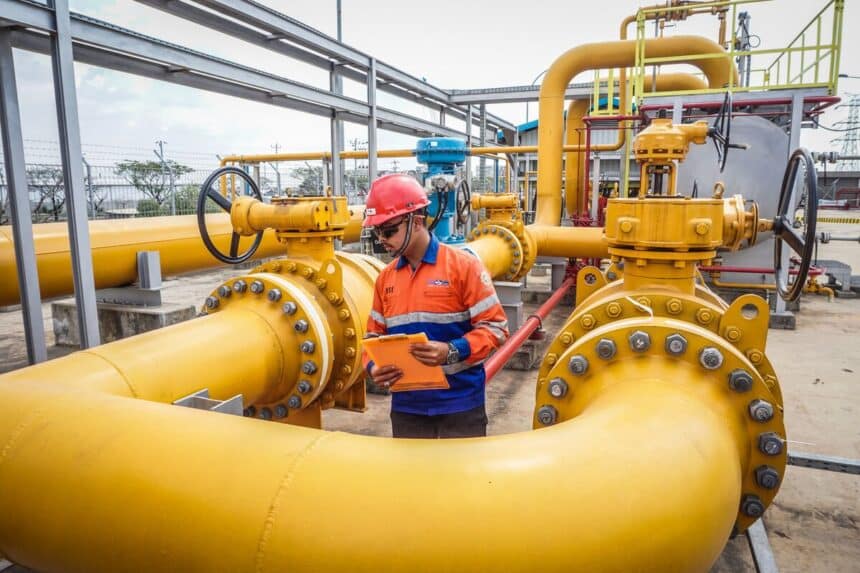
The disruption began on Oct. 24 when Jakarta cut deliveries by 31 million standard cubic feet per day. Regulators redirected 15 million cubic feet daily from the Natuna Sea through the West Natuna Transportation System and another 16 million cubic feet from Sumatra to feed local power plants in Batam, Bintan and Sumatra.
Singapore’s Energy Market Authority calculated the shortfall at 17 billion British thermal units per day against a total daily demand exceeding 1,000 billion British thermal units. Power generation continued uninterrupted, and Singapore never tapped its emergency fuel reserves.
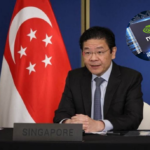
Even so, the unilateral diversion sparked sharp diplomatic exchanges. Prime Minister Lawrence Wong stated on Oct. 25 that Singapore expected all parties to honor their contractual commitments. Minister for Energy, Trade and Industry Tan See Leng urged residents to stay calm, noting that high-level government channels remained open while local importer Gas Supply Pte Ltd reviewed whether the cuts breached commercial terms.
Upstream Pressures Behind Jakarta’s Diversion
The October squeeze stems from structural shifts in Indonesia’s upstream energy sector rather than a simple technical outage. Indonesian oil and gas regulator SKK Migas ordered the diversion to stabilize domestic electricity generation during scheduled maintenance and rising industrial power demand across the Riau Islands.
Under President Prabowo Subianto’s administration, Jakarta has prioritized domestic energy security, with Energy and Mineral Resources Minister Bahlil Lahadalia defending the October reduction as compliant with minimum contractual thresholds. Lahadalia also publicly questioned whether liquefied natural gas cargoes shipped to Singapore were being resold abroad, prompting Singapore’s Ministry of Energy, Trade and Industry to clarify that all piped Indonesian gas is consumed strictly within the city-state.
Historically, cross-border pipelines from South Sumatra and the Natuna Sea anchored Singapore’s power grid for more than two decades. Aging gas fields and rising Indonesian domestic consumption have steadily narrowed export surpluses, turning routine field maintenance into delicate balancing acts for neighboring utilities and industrial consumers.
Diversifying Ahead of 2028 Expirations
Singapore’s existing piped gas import contracts with Indonesia expire at the end of 2028, leaving energy planners little room for complacency. Anticipating tighter regional supplies, Singapore has spent the past decade reducing its reliance on any single neighbor through long-term terminal investments and flexible spot procurement.
Liquefied natural gas imported via the Jurong Island terminal now accounts for nearly 60% of Singapore’s total gas supply, ensuring no single country provides more than 30% of imports. The government also plans to import up to 6 gigawatts of low-carbon electricity from regional partners by 2035 while studying ammonia and geothermal options to insulate households and factories from future upstream shocks.