BEIJING — Waves of returned packages are burying online clothing merchants across China following the November Singles’ Day shopping festival, pushing return rates in women’s apparel to 80% and forcing dozens of established brands out of business. According to video reports compiled by China Observer, warehouse floors from Guangdong to Hangzhou are stacked ceiling-high with rejected parcels, turning peak holiday sales dashboards into steep financial losses.
The crisis exposes a structural breakdown in China’s $252.5 billion Singles’ Day retail engine, where lenient refund rules, rising customer acquisition costs and new tax enforcement have collided. While China’s 2026 Singles’ Day shopping holiday posted a modest 4.8% year-over-year sales increase to 1.679 trillion yuan, merchants say gross transaction numbers hide a brutal reality: shoppers routinely buy dozens of garments to try on at home, wear them for social media photos and send nearly everything back.
Key Takeaways
- Women’s apparel return rates on major Chinese e-commerce platforms have surged from roughly 50% to between 70% and 80%, with some livestreamed sales seeing up to 95% of stock sent back.
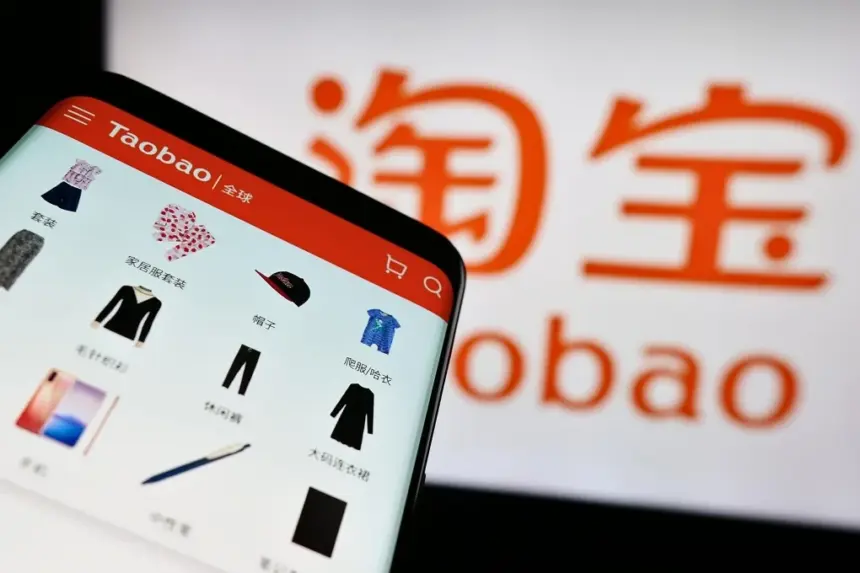
- High-profile Taobao brands, including 10-year veteran Jigujigu with 4.67 million followers, shut down operations in 2026 after return handling fees and ad costs wiped out profit margins.
- Platform policies such as seven-day no-questions-asked returns and mandatory return shipping insurance have fueled widespread wardrobing, counterfeit swaps and empty-box refund fraud.
Warehouses Buried Under Unsold Stock
Three days after a livestreamer sells 8,000 garments, the delivery trucks come back full. Inside a 14,000-square-foot fulfillment center documented in the report, workers sort through towering walls of cardboard boxes while hosts continue broadcasting live pitches just yards away. One clothing merchant told reporters that out of every 10 items sold, eight return within days. Another seller reported a staggering 95% return rate, leaving the business unable to recover basic packaging expenses.
The math works against small operators from the moment an order ships. Sellers typically earn 5 to 10 yuan per garment, a thin margin that vanishes once a customer triggers a return. Merchants must absorb outbound freight, packaging, return shipping insurance premiums and warehouse sorting labor. When seasonal styles sit in return queues for a week, fashion trends shift, forcing owners to dump once-popular inventory at clearance prices by the pound. A store owner surnamed Chen reported her Singles’ Day return rate climbed past 60% this year, up from 40% in 2025, despite upgrading fabric quality.
Large operations face even steeper logistical bottlenecks. Some high-volume apparel stores process more than 10,000 returned parcels in a single day, overwhelming sorting staff and tying up working capital. In one warehouse, an entire truckload of 8,000 livestreamed orders saw an estimated 80% return rate within 72 hours of delivery, while factory replenishment orders for those same styles were still arriving at the loading dock.
Free Fitting Rooms and Counterfeit Swaps
Shoppers increasingly treat online stores as zero-cost rental closets. Buyers routinely order 20 to 30 outfits at once, keep one or none, and return the rest. Worse, merchants report thousands of garments arriving stained with foundation, smeared with lipstick or reeking of sweat and perfume. During the November sales rush, one Guangdong shop owner opened a batch of more than 400 returned pieces only to find nearly every garment worn and unsellable, resulting in a direct loss of nearly 8,000 yuan.
Abuse of return policies has escalated into organized fraud. In Guangzhou, 22 vocational college students ordered matching performance costumes online, wore them through a singing competition and filed seven-day no-questions-asked refund requests afterward. The collars came back soaked in sweat. Only after public backlash and school intervention did the students apologize and pay for the ruined clothes.
Other buyers exploit cross-platform price gaps through deliberate product swapping. According to seller accounts, fraudsters buy a cheap knockoff on Pinduoduo, order the authentic version from a brand’s official flagship store on Taobao or Tmall, and mail the counterfeit back to the flagship store for a full refund before canceling the Pinduoduo order. One merchant displayed a returned handbag made of rough, paper-thin material swapped in place of a genuine bag, while another opened a parcel meant to hold a 598-yuan coat only to find an empty cardboard box.
Ten-Year Brands Fold Under Rising Costs
The financial bleed has triggered a wave of closures among China’s best-known independent online fashion labels. According to Chinese financial outlet Blue Whale News, veteran Taobao plus-size retailer Jigujigu shut down in 2026 after more than a decade in operation. At its peak, Jigujigu commanded 4.67 million followers and sold 2 million garments annually priced between 50 and 100 yuan. People familiar with the company said it remained profitable in 2025 before tipping into steep losses this year as return rates overwhelmed revenue.
Jigujigu is far from alone. Established stores including Ren Xiaoyi Light Mode, Liang’s Korean Chic Custom Women’s Clothing, Studio Scout, Hey-Dress and Second Desire all announced closures starting in June and July. Studio Scout alone had built a following of nearly 700,000 shoppers, while Hey-Dress and Second Desire each counted more than 200,000 fans.
Industry data cited in the broadcast reveals that 85% of small and medium-sized e-commerce merchants saw customer traffic acquisition costs jump by an average of 50% over the past three years, pushing more than 70% of sellers to the brink of operating at a loss. As Channel News Asia previously reported during earlier post-Singles’ Day return waves, merchants also face intense price wars that pressure factories into cutting fabric quality, creating a vicious cycle where dissatisfied buyers reject inferior goods.
Policy Shifts and Tax Pressure
To understand why China’s 70 million online sellers face an existential squeeze in 2026, look beyond consumer behavior to platform algorithms and state regulation. Over the past five years, Alibaba, JD.com, Pinduoduo and Douyin engaged in a fierce battle for market share by weaponizing buyer protections. Platforms introduced automated “refund-only” buttons, instant payouts before parcels were inspected and mandatory return shipping insurance funded largely by merchants. Simultaneously, complicated cross-store discount thresholds encouraged shoppers to pad carts to unlock coupons and immediately cancel unwanted items once discounts cleared.
A major regulatory shift has eliminated the informal tax cushion that once kept small merchants afloat. Under regulations enforced by China’s State Taxation Administration, internet platforms began mandatory quarterly reporting of merchant identity and gross revenue data in October 2025. Previously, thousands of small online storefronts operated in a gray zone, reporting minimal sales while absorbing thin retail margins. Tax analysts estimate full compliance across value-added, corporate and personal income taxes could raise total tax collections from the sector by 20% to 33%, instantly erasing the net profit of sellers already losing money on returned inventory.
Macroeconomic headwinds compound the squeeze. China’s retail sales grew just 0.4% in October 2026 amid a prolonged property slump and tight household budgets, making shoppers far more price-sensitive and selective. With marketing spend across major platforms exceeding 350 billion yuan while overall online retail growth slows to single digits, sellers are fighting for shrinking wallets.
Retailers Fight Back With Locks and Oversized Tags
Desperate to stop the bleeding, surviving apparel makers are adopting physical deterrents to prevent wear-and-return abuse. Merchants now attach heavy combination locks to dress zippers and sew giant, conspicuous hangtags onto outer seams. Buyers only receive the combination code to unlock the garment after confirming receipt and waiving their seven-day return window.
Those defensive measures carry trade-offs. Bulky locks raise packaging costs and frustrate legitimate shoppers who simply need a different size. Yet without structural changes to platform return rules and traffic bidding fees, industry observers warn that original designers will continue exiting the market, leaving consumers with fewer choices, homogenized fast-fashion copies and declining product quality.