
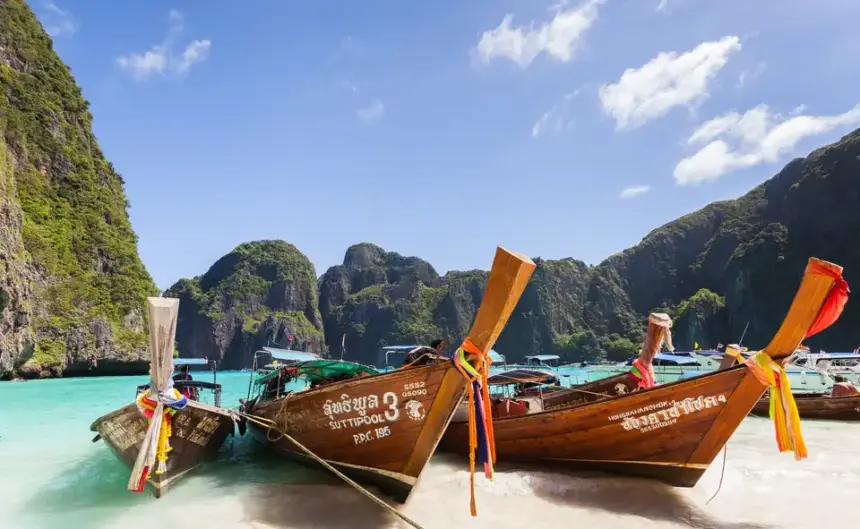
Koh Tao, Koh Lipe, and Koh Lanta in Thailand each offer a different kind of island stay: Koh Tao is known for scuba diving, Koh Lipe draws visitors to its beaches and clear-water scenery, and Koh Lanta suits travelers looking for a slower, longer stay. The best fit depends on what you want to do, when you’re traveling, and how much time and money you can give to transfers and activities.
Because the islands sit in different parts of southern Thailand, their weather patterns and routes don’t line up neatly. This guide compares the experiences and practical trade-offs, so you can choose an island or itinerary that fits your plans. Start with the main differences between the three.
Key Takeaways
- Choose Koh Tao for scuba diving and snorkeling, and allow several nights so weather or boat changes don’t crowd out water activities.
- Koh Lipe suits beach time and clear-water scenery, but reaching it can take longer; compare Thailand island-hopping routes before booking.
- Pick Koh Lanta for a slower pace, longer stays, and day trips without changing hotels often.
- Since Koh Tao sits in the Gulf and the other two are on the Andaman coast, compare Thailand’s island seasons for your travel dates.
- Check destination-specific forecasts, ferry schedules, and transfer times, then choose one island or a route that leaves enough time to enjoy each stop.
How to choose between Thailand’s Koh Tao, Koh Lipe, and Koh Lanta
The main difference is the kind of stay each island supports. Koh Tao sits in the Gulf of Thailand, while Koh Lipe and Koh Lanta are on the Andaman side, so routes and sea conditions can differ. Match your choice to your preferred activities, pace, and available time, then check local forecasts and transport updates before booking.
Choose Koh Tao for diving and a lively island base
Koh Tao is a strong fit if scuba diving is a priority. Its dive schools offer courses for beginners and guided dives for certified divers, while snorkeling gives visitors another way to explore the water. Conditions vary by site and day, so visibility, currents, and suitability for a particular experience aren’t guaranteed. For example, PADI’s overview of Aow Leuk describes one shallow bay, but that shouldn’t be taken as a guide to every dive site.
The island also has beaches, viewpoints, and short hikes, so you can fill days when you don’t want to be in the water. Its social visitor scene makes it easy to find places to eat and meet other travelers. Allow several nights if diving or snorkeling is central to your trip, especially when weather could affect boat plans. See our Gulf of Thailand islands guide for more on planning a Koh Tao stay.
Choose Koh Lipe for clear-water scenery and a remote feel
Koh Lipe lies in Satun province near Thailand’s southern end. Travelers come for its beaches, snorkeling, and access to the surrounding marine environment, including the Tarutao National Park area. Reaching the island usually involves getting to Pak Bara and taking a boat across, so factor the mainland transfer and crossing into your itinerary.
Access and park rules can change with the season. Before you go, check the Tourism Authority of Thailand’s Tarutao National Park information for current details. Koh Lipe suits travelers who want to focus on beach and water time, and who have enough days to make the journey worthwhile.
Choose Koh Lanta for room to slow down and explore
Koh Lanta offers a more spread-out Andaman coast stay, with beaches, local communities, and nature outings. It works well for travelers who want a longer base rather than a tightly scheduled island-hopping stop. Visit Koh Lanta Old Town for its waterfront community, then set aside time for the island’s southern national park area.
Conditions and access can vary, so check local updates before planning park visits or boat trips. The Mu Ko Lanta National Park visitor information is a useful place to confirm current details. Choose Koh Lanta if you want flexibility to mix beach days with local exploration.
What to do on Koh Tao, Koh Lipe, and Koh Lanta
Water activities are a highlight on all three islands, but each offers a different way to spend the day. Conditions vary by site and season, so check local guidance before booking a trip or entering the water.
Explore underwater life without harming reefs
Koh Tao has a strong dive-school scene, with beginner courses, guided dives, and snorkeling bays close to shore. Around Koh Lipe, visitors can snorkel near the island and join boat trips to nearby reefs. Koh Lanta is a good base for boat outings to surrounding islands and marine areas, though access and conditions can change. For context on how reef habitats differ around the country, see our guide to Thailand’s coral reefs.
Visibility, waves, depth, and currents depend on the exact location and time of year. Ask a qualified guide whether a site suits your experience, and follow park instructions, including any closures. Thailand’s marine rules require snorkelers near coral reefs to wear a provided life vest, unless they hold a recognized freediving certificate. Check the government’s current guidance on marine rules before your trip.
In the water, keep a comfortable distance from coral. Never touch or stand on it, and keep your fins from sweeping over the reef. Don’t feed fish or disturb marine life; follow your guide’s directions, even if conditions change during the outing.
Mix beach time with inland and cultural stops
A day on Koh Tao might start with a swim, then continue at a viewpoint such as John-Suwan before an easy evening near the beach. On Koh Lipe, split your time between the sand and a short walk along Walking Street, or take a boat trip if the sea is suitable. For a quieter change of scenery, Koh Adang offers trails and viewpoints across the water; check access and conditions before setting out.
Koh Lanta suits a less scheduled day. Visit Old Town for its waterfront atmosphere, explore the east coast, or choose a quieter stretch of beach instead of joining a tour. You don’t need to fill every day with activities. Pick one outing that fits your pace, then leave room to swim, eat, or simply stay by the water.
When to visit each island for better weather and sea conditions
Thailand’s islands don’t share one reliable beach season. Koh Tao is in the Gulf of Thailand, while Koh Lipe and Koh Lanta face the Andaman Sea, where seasonal wind and rain patterns differ. Use the calendar as a guide, then check conditions for your island and travel dates.
Compare the Gulf and Andaman seasons
The Andaman coast is often more settled from around November through April, after the southwest monsoon eases. That can make this period a good starting point for Koh Lipe and Koh Lanta, especially if your plans depend on boat trips. Koh Tao follows a different pattern: rain can extend later into the year, and November or December may bring unsettled weather and rougher crossings.
These are broad seasonal tendencies, not guarantees. January and February can work well on either coast, while showers or choppy water may still disrupt plans. Conditions also vary by year, island, and activity, so a calm beach does not necessarily mean the offshore water is suitable for snorkeling or a boat excursion. Compare Thailand’s high-season weather by coast when narrowing down your travel month, but treat seasonal averages as a planning guide.
Check closures, forecasts, and operator updates
Shortly before departure, check a destination-specific forecast and the marine outlook for the coast you’ll visit. The Thai Meteorological Department’s shipping forecast covers conditions at sea, while its seven-day weather forecast can help you review the days around your trip. A clear forecast on shore doesn’t guarantee a calm ferry crossing or suitable snorkeling conditions.
Also check notices from your ferry operator, since sailings can change with weather and sea state. If your plans include a marine park or a boat trip to nearby islands, confirm access with the relevant park before you go. Seasonal and temporary restrictions can affect individual islands or activities, so review Thailand’s national park closure guidance for what to check. Keep your itinerary flexible when a crossing or water activity is central to the trip.
How to travel between the three islands without losing days to transfers
Koh Tao, Koh Lipe, and Koh Lanta sit on different sides of the southern peninsula, so combining them takes more planning than the map may suggest. Choose mainland gateways that fit your arrival point, then count each road and boat leg as part of the trip.
Plan around the right mainland gateways
Surat Thani is a common gateway for Gulf island trips, including Koh Tao. Depending on your route, you may need to travel overland to a pier before boarding a ferry. Koh Lipe is farther south on the Andaman coast, with Pak Bara in Satun as a key departure point. Koh Lanta is usually reached through Krabi-area transport connections, followed by a road transfer and, depending on the route, a short ferry crossing.
The best gateway depends on your arrival airport, travel dates, and the services running when you go. Phuket, Krabi, Surat Thani, and Hat Yai can each make sense for different itineraries, but the cheapest flight may add hours of ground travel. For regional context, see our Southern Thailand island guide.
Build in time for ferries and connections
Compare the full journey time, not just the boat crossing. Add the drive or minivan ride to the pier, check-in time, waiting between connections, and the crossing itself. A route that looks quick on a booking page can take most of a day once every leg is included.
Avoid tight same-day connections between a ferry and a flight or long-distance bus. If a boat runs late or weather changes the service, you could miss the next departure. Leave a buffer or stay overnight near a transport hub when the connection matters. Schedules can vary by season, so check the operator’s latest Koh Lipe ferry timetable before arranging onward travel.
Choose a one-island, two-island, or three-island itinerary
For a short visit, focus on one island or pair destinations that connect more naturally. Koh Lipe and Koh Lanta are both on the Andaman side, and seasonal boat services may link them. However, availability can change, so compare options for your dates and be prepared to travel via mainland transfers instead.
Koh Tao is separated from both Andaman destinations by a long overland and sea journey. Reaching it from Koh Lipe or Koh Lanta can involve several connections, so attempting all three makes more sense on a longer trip with rest days built in. Island-hopping works best when transfer days are part of the itinerary, rather than time you expect to recover later.
What to budget, pack, and know before booking
A room rate is only one part of an island trip. Build your budget around the full route and the activities you plan to book, then pack for changing weather and boat transfers.
Compare costs by the full trip, not just the room
Accommodation, meals, tours, diving courses, and transfers vary by season, location, and booking style. A budget guesthouse and shared boat trip can keep costs down, while a beachfront resort or private transfer usually costs more. Either way, include transport to the island, ferry tickets, activity fees, meals, and any gear you need to rent or buy.
Before paying, ask what the quoted price covers. For a dive course or guided excursion, confirm whether equipment, meals, park fees, and transfers are included, then check the cancellation terms and what happens if weather disrupts the trip. These questions to ask before booking a tour can help you compare operators. Keep some baht available for small purchases and local transport; our Thailand currency guide for travelers covers practical cash tips.
Pack for sun, rain, boats, and reef-safe visits
Choose light, quick-drying clothes, a hat, sunglasses, and reliable sun protection. Add a compact rain layer, since showers can affect boat plans, and pack a dry bag to protect your phone, documents, and spare clothes during transfers. Ask your operator whether a tour supplies specialized equipment before packing your own.
For reef visits, follow local instructions and keep your distance from coral and marine life. Don’t stand on or touch coral, feed fish, or leave trash behind. Sunscreen rules can vary by protected area, so check the park’s current guidance before choosing a product. Thailand’s marine conservation guidance offers advice on reducing harm to coral, but local rules should guide what you bring and do.
Frequently Asked Questions
A few practical details can help you decide which island fits your travel style and how to plan your stay.
Which island is the best fit for families with children?
Koh Lanta is often a good choice for families who want a slower pace and room to plan easy outings. Beach conditions vary, though, so ask locally about currents and waves before letting children swim. Our family guide to Thailand has more advice on choosing beaches and planning with kids.
Which island suits solo travelers?
Koh Tao’s active visitor scene can make it easier to meet other travelers, while Koh Lanta tends to suit people who prefer a calmer base. Your comfort may depend more on where you stay and how you plan activities than on the island itself. See our Thailand island safety tips for women traveling alone for more planning advice.
Can I visit Koh Lipe on a day trip?
A day trip may work from a nearby departure point if boat schedules line up, but it leaves little room for delays or time on the island. Staying overnight is a better fit for most itineraries, especially if you’re traveling from farther away.
Can I get around without renting a scooter?
Koh Lipe’s compact center is easier to explore on foot, while Koh Lanta’s longer distances make local transport more useful. Koh Tao’s steep roads can also make walking between beaches and accommodations tiring, so check where you’ll stay before deciding how to get around.
Should I book island ferries in advance?
Booking ahead can help during busy periods or when you need a specific departure to connect with another leg of your trip. For flexible travel, compare the operator’s latest schedule and cancellation terms before paying; this guide to ferry schedules and safety in Thailand offers additional planning context.
Conclusion
Koh Tao, Koh Lipe, and Koh Lanta each suit a different kind of island trip. Choose Koh Tao for scuba diving, Koh Lipe for a remote-feeling beach escape, or Koh Lanta for a slower stay with room to explore. Koh Tao’s dive courses and guided trips make it a strong option for underwater activities, but Thailand’s southern islands follow different weather patterns.
Before you book, weigh the season, total travel time, and activities you value most. Leave some flexibility for local conditions, especially when your plans depend on boat trips or water activities.