




Last Updated on June 18, 2026 by Jeff Tomas
Thailand provides two distinct island-hopping styles, and selecting the right region is the key to shaping an unforgettable trip. As one of the most sought-after destinations in Southeast Asia, the country offers a variety of experiences tailored to different travelers.
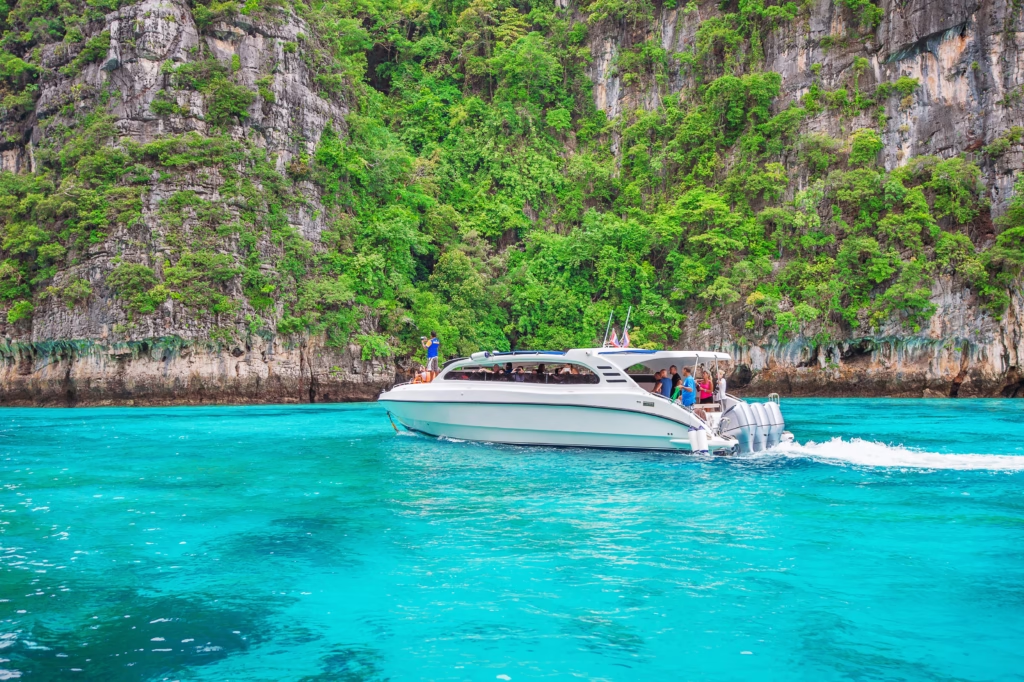
The Andaman coast features dramatic limestone cliffs, longer ferry crossings, and the iconic scenery that many first-time visitors expect when they dream of a coastal escape in Thailand. The Gulf of Thailand offers a more accessible experience, characterized by shorter transit times, a relaxed pace, and vibrant beach towns that are perfect for extended stays.
If you are planning a short visit, it is usually more efficient to focus on one coast rather than attempting to travel between both. This decision becomes simpler once you account for your personal travel style, the duration of your trip, and the specific time of year you plan to visit, as weather patterns differ significantly on each side of the country.
For a broader perspective on what makes a beach vacation in this region so appealing, see this planning a Thai island vacation guide. Below, the best Thailand island-hopping routes are broken down into several clear options designed to match the preferences of different types of visitors.
Key Takeaways
- Choose your coast wisely: Thailand’s islands are divided into two distinct regions—the Andaman coast and the Gulf of Thailand—which feature different weather patterns, landscapes, and travel vibes.
- Prioritize one region: To minimize transit time and maximize relaxation, focus your itinerary on either the Andaman side or the Gulf side rather than attempting to visit both in a single trip.
- Match the season to your destination: Plan your Andaman trip between December and April for the best weather, or choose the Gulf islands between February and September to avoid the rainy season.
- Optimize your logistics: Keep travel stress low by booking accommodations near ferry piers for early departures and prioritizing a balanced pace that alternates between transit days and slow beach time.
The two island-hopping regions that shape every Thailand trip
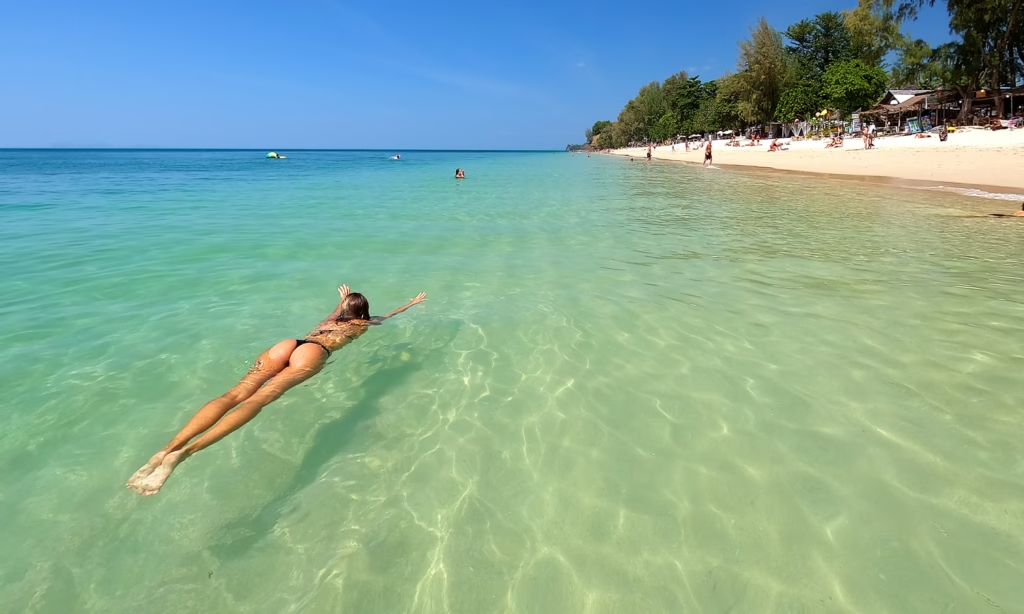
Thailand’s island trips are usually split into two clear routes, and that choice changes almost everything. The coast you pick affects the weather you get, the ferry rides you take, and even the feel of your days on the water. Beyond the beaches, you will often find the gentle influence of Buddhism shaping the local lifestyle, with beautiful temple sightings serving as a cultural backdrop throughout the ancient kingdom once known as Siam.
That is why route choice matters before you book. One side gives you bigger scenery and classic postcard beaches. The other makes short hops, easy planning, and social nights feel simple.
| Feature | Andaman Coast | Gulf of Thailand |
|---|---|---|
| Best Season | December to April | February to September |
| Landscape | Limestone cliffs, emerald water | White sand, palm-fringed bays |
| Vibe | Dramatic, iconic, adventurous | Social, convenient, vibrant |
Andaman coast: famous views, bigger scenery, and classic beach stops
The Andaman coast is the better-known route for a reason. Phuket, Phi Phi, Krabi, Koh Lanta, and Koh Lipe give you the limestone cliffs and clear water many travelers picture when they think of Thailand. If you want dramatic views and a classic first trip, this coast fits well.
It works best for first-time visitors, beach lovers, and anyone chasing iconic island scenery. The tradeoff is distance, because some transfers take longer and seas can get rougher outside the best season. For the most reliable trip, plan this coast between December and April, when the weather is usually better for boats and beach time.
Phuket often anchors the route, and it helps to use a solid Phuket travel guide 2025 if you want to combine beaches with easy transport and a wide range of stays. From there, island days feel more varied, with busy hubs, quieter bays, and big scenery all within reach.
The Andaman side is the stronger choice when the view matters as much as the trip itself.
Gulf of Thailand: shorter ferry hops, easy planning, and lively nights
The Gulf of Thailand route centers on Koh Samui, Koh Phangan, and Koh Tao, and it feels easier to piece together. Ferries are usually shorter, connections are simpler, and the whole trip can fit a tighter schedule without constant transit stress.
This side is a smart pick if you want snorkeling, nightlife, and a more social pace. Koh Tao draws divers and snorkelers, Koh Phangan brings a lively scene, and Koh Samui gives you a bigger base with lots of transport options. The better travel window for the Gulf of Thailand usually runs from February to September, which makes this coast a strong choice when the Andaman side is less predictable.
It also works well for shorter itineraries. You can move between islands without spending half the day in transit, which leaves more time for the beach, a sunset drink, or a night out. For quieter corners, a place like quiet beaches on Koh Phangan shows how this route can still feel relaxed when you want a slower day.

Best Thailand island-hopping routes for different travel styles
The best island route in Thailand depends on how you like to travel. Some visitors want easy transfers and famous scenery. Others want clear water, nightlife, or quieter days with fewer people around.
A good route matches your pace, not just your bucket list. If you pick the right one, the trip feels smooth instead of rushed, and each stop adds something different. Whether you are coming from the historic ruins of the Ayutthaya Kingdom or the vibrant city streets, your Thailand adventure should reflect your personal travel style.
First-time visitors: Phuket, Phi Phi, Krabi, and Koh Lanta
This is the easiest starter route on the Andaman side. Most international visitors fly into Bangkok before heading south to start their island journey. Phuket gives you the simplest arrival point, Phi Phi brings the classic island views, Krabi adds dramatic limestone scenery, and Koh Lanta slows everything down at the end.
It works so well for first-time visitors because the route has strong transport links and a clear flow. You can move through it without much planning stress, and each stop feels different enough to stay interesting. Phuket and Krabi are both practical bases, which makes the whole trip feel more manageable than jumping between smaller islands right away. This beach-focused trip in Thailand offers a wonderful contrast to the mountain culture you might find if you decide to visit Chiang Mai later in your itinerary.
The route usually needs 7 to 10 days. That gives you enough time for a short stay in Phuket, a night or two on Phi Phi, a few days around Krabi, and a calm finish in Koh Lanta. If you want a proven Thailand plan without too many moving parts, this is the one to book.
Phi Phi is the most famous stop, but Koh Lanta is what makes the route feel balanced.
For a closer look at route planning across the country, see smart travel tips for Thailand.
Beach and diving travelers: Phuket or Krabi to Koh Lipe
If you care more about pretty water and time in the sea, head farther south to Koh Lipe. This route through the Southern provinces feels more remote than the classic Phuket to Krabi trip, and that extra effort pays off with a quieter pace and some of the clearest water on Thailand’s west coast.
Koh Lipe is worth the journey because it suits snorkeling, diving, and slow beach days. The island feels smaller and more relaxed, so it works well if you want fewer crowds and more time in the water. Phuket or Krabi can start the trip, but the real draw is the long, easy beach stay at the end.
Plan 5 to 8 days if you want a simple version of this route. That leaves enough time to enjoy the mainland or Phuket start, then settle into Koh Lipe without making the trip feel like a transit marathon. For route ideas, Thailand island-hopping itineraries show how this part of the coast fits into a longer beach trip.
Nightlife and social travel: Koh Samui, Koh Phangan, and Koh Tao
This Gulf route is a favorite for younger travelers and groups who want beach time with a social scene. Koh Samui brings the easiest base, Koh Phangan brings the parties, and Koh Tao adds diving, snorkeling, and a more laid-back water focus.
Each stop has a different energy. Samui is the most built-up and convenient, Phangan is the place for late nights and big beach parties, and Koh Tao is where many travelers slow down for water activities and boat days. The ferry hops are short and simple, so the route feels relaxed even when the nights are busy.
This trip usually works best over 6 to 9 days. That gives you time to enjoy each island without racing through them. If you want a route that mixes beach bars, easy ferries, and strong social energy, this Gulf trio is a solid fit. For ferry patterns and island order, how to travel between Thai islands is useful reading.
Slow travel and less crowded beaches: Koh Lanta and nearby islands
Koh Lanta is the best choice if you want a quieter rhythm. Compared with Phi Phi, it feels calmer, less packed, and easier to enjoy over a longer stay. The beaches are more relaxed, the days feel less rushed, and the whole trip has more breathing room.
This island also works well as a base for a slower hopping plan. You can settle in, take day trips, and avoid constant hotel changes. That suits travelers who care more about comfort and pace than ticking off as many stops as possible.
A 4 to 7 day stay works well here, especially if you want to combine Koh Lanta with nearby islands or short boat outings. If your idea of a good island trip includes long swims, easy meals, and low-key evenings, Koh Lanta fits that mood better than the busier Andaman stops.

How to choose the right route for your time, season, and budget
The best island route in Thailand is the one that fits your calendar, the weather, and your spending limit. If those three line up, the trip feels easy. If they do not, even a beautiful island can feel like a moving day with nicer water.
A short trip calls for fewer stops. A wetter month calls for the right coast. A tighter budget often means fewer long transfers and more nights in one place. That simple filter saves time and cuts stress before you book anything.
What you can realistically see in 5, 7, or 14 days
With 5 days, keep it tight and stay on one coast. One base plus one or two nearby islands is the smart move, because every transfer takes a bite out of your beach time. On a short trip, moving less often usually gives you more of what you came for.
With 7 days, you can handle a classic three-stop route, but it should still feel light. Think Phuket, Phi Phi, and Krabi on the Andaman side, or Koh Samui, Koh Phangan, and Koh Tao in the Gulf of Thailand. That pace gives you variety without turning the trip into a ferry schedule.
A 14-day trip opens the door to more stops, but it still should not feel rushed. You can add Koh Lanta, Koh Lipe, or a second night in a favorite place. That extra time matters because Thailand island-hopping works best when you leave room for slow mornings, delayed boats, and one place you want to keep longer.
Why the monsoon season changes everything
Weather changes the whole feel of an island trip. On the Andaman coast, the best season usually runs from November to April. On the Gulf of Thailand, the better window is usually February to August, and Thailand’s island weather patterns make that split easy to see once you compare both sides.
October to January often favors the Gulf side. During that stretch, the Andaman coast can still be fine on some days, but the Gulf often gives you a safer bet for smooth island moves. Ferries run more comfortably, the sea is easier to read, and beach days feel less fragile.
If your trip falls in the Gulf rainy season, even a good route can feel choppy and less predictable.
Entry and exit requirements
Before finalizing your itinerary, it is essential to manage your travel advice and documentation. If you are asking yourself, do I need a visa to travel to Thailand, the answer depends on your nationality and length of stay.
Always check with local authorities or your nearest embassy to understand current visa requirements. Furthermore, prioritizing safety and security is a vital part of any international excursion. We highly recommend purchasing comprehensive travel insurance that provides coverage for medical assistance, as this ensures peace of mind while navigating remote islands.
Ferries, speedboats, and the best way to move between islands
For most international visitors, ferries are the easiest choice. They cost less, carry more bags, and feel less rushed than speedboats. Speedboats save time, but they usually cost more and can feel rougher when the water is choppy.
If your route includes an early boat or a late arrival, stay near the main pier the night before. That small choice can save an hour or more, and it cuts down on missed rides, early taxi fares, and last-minute panic. In Thailand, that often matters more than picking the fanciest hotel.
For the smoothest planning, choose a route that matches your transfer style:
- Budget-focused trips: Use ferries and keep island changes to a minimum.
- Short stays: base yourself near the main pier or main town.
- Longer routes: mix ferries and one or two speedboats only when the time savings are worth it.
The right route is the one that feels steady on paper and relaxed in real life. If you match your coast to the season, keep your island count realistic, and plan around ferry access, the whole trip gets easier fast.

Smart ways to plan island hopping in Thailand without wasting travel time
The easiest way to save time on a Thailand island trip is to plan around transport first, not just beaches. A good route, a smart hotel location, and the right pace can cut out the small delays that eat half a day.
The biggest mistakes usually happen when travelers mix far-apart islands, stay too far from the pier, or try to squeeze in too many stops. Keep the route simple, and the trip feels smoother right away.
Start and end your route in the right gateway city
For the Andaman side, Phuket and Krabi are strong gateway cities because they connect well with flights, ferries, and inland transfers. Phuket works especially well if you want the widest choice of flights and hotels, while Krabi is a smart base for moving on to nearby islands without a long detour.
On the Gulf side, Koh Samui is the easiest gateway. It links well with Koh Phangan and Koh Tao, and it gives you a clean starting point if you want to keep ferry times short. That kind of route order matters because a good sequence can save hours and cut backtracking.
When possible, choose a route that moves in one direction. For example, start on the mainland or a major hub, then work your way out to the smaller islands. If you want a calmer, less crowded base before or after the islands, quiet island options in Thailand can help you shape a better endpoint.
Safety, culture, and practical logistics
As you plan your travel, keep in mind that Thailand is a constitutional monarchy. Visitors should show respect for King Vajiralongkorn, and it is important to be aware of strict lèse-majesté laws as part of your overall safety and security. While the island regions are generally safe, official travel advice often suggests caution for the southern provinces of Narathiwat, Pattani, and Yala, as well as specific areas near the Cambodia border.
When moving between islands, have your Thai baht ready for local expenses. Be mindful that peak travel periods like Songkran can significantly impact ferry availability and demand. Regardless of where you go, remember that public places require modest behavior and a respectful attitude toward local customs.
Book near the pier when island transfers matter most
If you have an early ferry or a same-day transfer, stay close to the pier. Even a short taxi ride can turn into a drag when traffic is heavy, bags are bulky, or pickup times run late.
A pier-side hotel keeps the morning simple. You can walk over, check in with less stress, and avoid paying extra for a long transfer before you even get on the boat. That matters most when you have luggage, kids, or a tight schedule.
Combined transfer tickets can help too, especially on busy routes. A van plus boat booking removes guesswork and cuts down on waiting around.
Build in slower days so the trip feels like a vacation
Island hopping works best when every day is not a move day. Mix travel days with slow beach days, long lunches, and one place where you stay put for a while.
Fewer stops often make the trip better. You spend less time packing, less time checking schedules, and more time enjoying the water.
A simple balance works well:
- Travel days for ferries, check-ins, and short stops
- Slow days for swimming, snorkeling, and sunset dinners
- Buffer time in case boats run late or weather shifts
That pace keeps Thailand island-hopping from feeling like a chore. It also leaves room for one island to surprise you, which is usually the trip you remember most.
Frequently Asked Questions
Which coast is better for first-time visitors?
The Andaman coast is generally recommended for first-timers because it features the iconic limestone cliffs and emerald waters many travelers expect. Routes including Phuket, Phi Phi, and Krabi offer excellent tourism infrastructure and reliable transport connections.
How many days do I need for a good island-hopping trip?
A minimum of 5 to 7 days is ideal for visiting two or three islands without feeling rushed. If you have 14 days, you can explore more thoroughly or add a slower-paced stop like Koh Lanta to round out your itinerary.
Is it easy to move between islands without a pre-booked tour?
Yes, there is an extensive network of public ferries and speedboats connecting the most popular islands. While you can often book tickets locally, using a combined transfer service that includes van pick-up and boat travel is the most convenient way to avoid logistical stress.
Do I need to worry about ferry cancellations due to weather?
Weather can occasionally disrupt ferry schedules, especially during the monsoon season on the Andaman coast. It is wise to build a buffer day into your itinerary and always check local weather reports or ask your hotel staff for the latest updates before a planned departure.
Conclusion
Successfully navigating Thailand island hopping comes down to choosing a route that aligns with your preferred coast, the current season, and your unique travel style. Whether you are seeking a vibrant Thailand beach vacation or a serene escape, narrowing your focus to one region is the best way to ensure smooth Thailand ferry routes and meaningful time on each island. As a premier destination in Southeast Asia, the country offers diverse landscapes that cater to every type of visitor.
For those planning their first trip, the Andaman coast remains a classic choice with the popular Phuket, Phi Phi, and Koh Lanta circuit. Travelers craving legendary nightlife and world-class snorkeling often find the Gulf of Thailand, anchored by Koh Samui, Koh Phangan, and Koh Tao, to be the perfect fit.
If you are looking for a more secluded, scenic finish to your journey, consider traveling to Koh Lipe for its pristine waters. By choosing the island hopping guide that fits your pace and checking the weather window before you go, you can turn your dream of exploring the best Thailand islands into an unforgettable reality.


