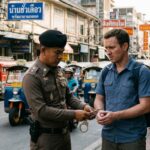

To enjoy a Thailand tour without an unlicensed tour guide, a misleading offer, or a poor-value booking, take a few minutes to check who’s running it and what you’re paying for. Start by asking to see the guide’s credentials, then check the tour company separately; a business registration alone doesn’t prove it holds the required tourism license.
Next, compare recent reviews with the written itinerary, inclusions, price, and cancellation terms. These quick checks can help you spot gaps before you pay, while giving you a clear record if the tour changes. Reports of unlicensed guides and misleading cheap tours show why it pays to check Thailand tour guide license rules. Begin with the guide and operator’s credentials, then review the booking details.
Key Takeaways
- Ask to see the guide’s valid Thai license, then check that the name and photo match the person leading your tour.
- Verify the company has a current tourism business license. Thailand’s tourism business and guide law covers licensing requirements, and reports on illegal tour businesses show why the operator needs a separate check.
- Compare recent reviews with the written itinerary, inclusions, transport, and price. Treat unusually cheap offers and unofficial sellers with caution.
- Before paying, get the cancellation and refund terms in writing. Keep your receipt and booking messages in case the tour changes or a dispute arises.
How to Check a Tour Guide or Tour Company in Thailand
Check the guide and the tour company as separate parts of the booking. A guide’s credentials don’t prove the operator holds a tourism business license, and a company registration alone doesn’t replace that license.
Ask to see the guide’s license and identity
Before you pay or join the tour, ask to see the guide’s current professional license or guide identification. Compare the name and photo with the person who will lead your group. If the guide’s details don’t match, or you can’t confirm the credential, pause and ask the operator to explain.
A photo or verbal assurance isn’t enough when you have doubts. Contact Thailand’s Department of Tourism through its official channels to confirm the details. The department’s Business Registration and Tour Guide Division contact information gives travelers a route to ask about guide credentials and operator licensing.
Confirm the company’s tourism business license
Request the operator’s tourism business license details, then confirm them with the Department of Tourism. Check that the license is valid and that the company name matches the name on your booking confirmation and receipt. A mismatch may have a straightforward explanation, but get it clarified in writing before sending payment.
Thailand has separate rules for business registration and tourism licensing. Registration with a government office does not, by itself, show that a company holds the required tourism business license. This distinction also applies to other businesses in Thailand, where company setup and sector-specific permits may involve separate approvals.
Check that the person in charge matches the booking
Get the practical details in writing before the tour date. Confirm who will meet you, where and when the group will meet, and which phone number to use if plans change. If a representative handles the booking but another guide leads the trip, ask for the guide’s name and license details in advance.
Save the booking messages, receipt, and license information somewhere you can access during the trip. These records help if the operator changes the guide, meeting point, or schedule without notice. Still, a valid license only confirms a credential or business authorization; it doesn’t guarantee a safe, well-run, or enjoyable tour. Check the itinerary, reviews, and booking terms separately before deciding.
Read Reviews and Compare the Tour Offer Before You Book
Once you’ve checked the guide and company credentials, look closely at what past customers say and what the booking promises. A strong reputation matters, but the details should also match the experience you expect to receive.
Look for detailed, recent reviews across more than one site
Compare reviews from independent travel platforms, and focus on comments that describe what actually happened. Look for repeated details about whether the guide arrived on time, answered questions clearly, followed safety practices, and charged only the fees listed.
Give more weight to specific accounts than to a star rating alone. For example, several travelers mentioning a last-minute pickup change may reveal a recurring issue. Meanwhile, a cluster of vague praise or many reviews posted close together deserves a closer look. These patterns are reasons to investigate, not proof of fraud. The FTC also recommends checking whether reviewers have written other reviews and considering the timing and substance of the feedback in its online review evaluation tips.
Match the itinerary, inclusions, and group size
Compare the listing with the details the operator confirms directly. Check the route, total tour length, group size, language, and activity level. Then confirm whether the price covers transport, meals, entrance fees, equipment, and hotel pickup. A lower price may exclude costs that another tour includes, so compare the full offer rather than the headline rate.
For instance, a boat trip might cover the ride but not hotel transfers or entry fees at a stop. Ask about any difference between the advertised plan and what the operator proposes. If you request a private group, a different pickup point, or another change, get the agreement in writing before paying. For route-specific details, review Chiang Rai Kok River boat tour options.
Check safety plans for the activity and location
Safety questions should fit the tour. A boat trip depends on water and weather conditions, while trekking, diving, or travel to a remote area may require different equipment and emergency plans. Ask what happens if weather forces a cancellation, how to reach the operator during the trip, and what equipment the tour provides.
Also ask about the guide’s experience with the activity and route, and whether insurance applies to the tour. Coverage and legal requirements can vary, so don’t assume every operator has the same policy. Thailand’s water travel guidance discusses flotation equipment; for broader adventure bookings, see these Thailand tour safety and planning tips.
Check the Price, Payment Terms, and Cancellation Rules
Once the guide and company check out, confirm the money and booking terms before paying. A clear written agreement helps you compare offers and gives you a record if the operator changes the plan or a payment dispute arises.
Get the total price and extra costs in writing
Ask whether the quote is per person or for the whole group, and whether the price is in Thai baht or another currency. Then request a breakdown of what’s included and what costs extra. Taxes, national park or attraction fees, meals, transport, tips, and activity equipment can affect the final amount.
For example, ask whether a boat tour includes transfers and entry fees, or only the boat ride. If the operator gives you a price by phone or chat, ask them to confirm it in writing. Your receipt or booking confirmation should name the provider, describe the tour, show the agreed total, and list any extra charges. Comparing the details in Pattaya tour packages and prices can also help you see how inclusions affect the overall cost.
Use a payment method that gives you a record
Pay through a method that creates a transaction record, such as a card payment or a transfer to the company’s stated account. Before sending money, check that the recipient name matches the operator or its named payment provider. If it doesn’t, ask why and get the explanation in writing.
Be cautious if someone pressures you to pay immediately to an unrelated personal account, or asks for cryptocurrency or gift cards. Those methods can be difficult to trace, and recovery may be limited. The FTC’s guidance on cryptocurrency payment demands explains why such requests deserve scrutiny. A traceable payment gives you documentation, but it doesn’t guarantee a refund.
Understand deposits, cancellations, and changes
Before paying a deposit, check the cancellation deadline, refund terms, and any fees for changing the date or group size. Ask what happens if bad weather disrupts the tour, the minimum group size isn’t met, or the operator cancels. If the company can change the itinerary, find out whether you can accept the change, reschedule, or request a refund.
Save the cancellation policy as it appeared when you booked, along with the confirmation, receipt, and messages with the operator. If a term is unclear, ask for a plain-language explanation before you pay a nonrefundable amount. Keep the final agreement in one place, so you can refer to the exact price, tour description, and policy you accepted.
Spot Warning Signs and Know What to Do If Something Goes Wrong
Even after checking licenses, reviews, and booking terms, pay attention to how the operator handles questions and changes. A clear explanation can resolve a concern, but pressure or conflicting details deserve a pause.
Pause when the offer feels rushed or unclear
Be cautious if the seller demands immediate payment, refuses to share license details, or gives only a vague itinerary. The company name should also match across the booking page, messages, payment recipient, and receipt. Ask for a written explanation if those details differ.
Unrealistic promises, such as guaranteed wildlife sightings or an activity that ignores weather conditions, also deserve scrutiny. Before paying, confirm the full price and any extra fees, including transport, entrance charges, meals, or equipment. One issue may have an innocent explanation. However, several together are a reason to stop, verify the operator independently, and avoid sending more money until the details make sense.
If you can’t confirm a guide’s credentials, ask the operator to provide the exact name and license details in writing. Then contact the relevant Thai tourism authority through its official website or contact channels. If the company won’t answer or its explanation doesn’t resolve the mismatch, choose another provider.
Keep evidence and contact the right organization
If the tour differs from what you booked, stay calm and state which agreed detail changed. Save your receipt, confirmation, messages, photos, license information, and a short timeline with dates, times, names, and locations. Keep copies somewhere you can access if your phone is lost or runs out of battery.
For a dispute about a tour service or company, use the official Tourism Authority of Thailand complaint channel and follow its current instructions. You can also ask the Tourist Police for help through its official contact information. Use official contact details rather than numbers sent by an unknown person. For more practical steps, see this guide to reporting a scam or fraud in Thailand.
If a safety concern arises, tell the guide or operator clearly and move to a safer public place if needed. Don’t continue an activity that feels unsafe just because you’ve paid. For an immediate threat or emergency, contact local emergency services first. Thailand’s emergency contacts include police at 191; travelers can also consult emergency contacts in Thailand and the Tourist Police at 1155 for tourist assistance.
Frequently Asked Questions
A few checks can still feel unclear when you’re comparing tour offers. These answers cover common questions about guide authorization, operator credentials, booking channels, and tipping.
Can a foreign visitor legally work as a tour guide in Thailand?
Tour guiding is a regulated profession in Thailand, and a visitor’s permission to enter the country doesn’t automatically authorize paid work. Don’t assume a foreign person offering a paid guided tour is allowed to lead it; ask for current credentials and verify them with the Department of Tourism. The department has reported enforcement against illegal tours and unlicensed guides, and Thailand’s rules for foreign nationals working in tourism offer more context.
Is a Thai company registration enough to prove a tour operator is legitimate?
No. Company registration confirms that a business is registered, while a tourism business license covers permission to conduct regulated tourism activities. Ask for the license that applies to the tour being sold, then check that its details match the operator named in your booking.
What should I do if the guide cannot show a license?
Don’t join the tour until you can verify the guide’s credentials independently. Contact the company using a phone number or email from its official website, not just details sent by the person selling the tour. If the company can’t resolve your concern, contact the Department of Tourism for guidance before paying or meeting the guide.
Can I book a tour through a hotel or travel marketplace?
Yes, a hotel or booking platform can make reservations easier, but the booking channel doesn’t replace checking who will operate the tour. Confirm the actual company and guide, then compare the inclusions, meeting arrangements, and cancellation terms with your confirmation. If the listing names one seller but another company will run the trip, ask for that relationship and the operator’s details in writing.
Should I tip a tour guide in Thailand?
Tipping is generally optional, so the amount, if any, is your choice and can reflect the service you received. Before adding a tip, check whether the bill includes a service charge or whether the operator has already included gratuities. You can use this Thailand tipping guide for tour guides and drivers as a reference, but you shouldn’t feel pressured to tip.
Conclusion
A reliable Thailand tour booking starts with a clear order: verify the guide, check the operator, compare the written tour details, then review payment and cancellation terms. For adventure trips, ask about safety and emergency plans too, and use these tour operator checks to guide your questions.
If names, prices, or promises don’t line up, pause before paying. Choose a provider whose credentials and terms you can confirm, so you know who is responsible for the tour you booked.