

Last Updated on July 16, 2026 by Jeff Tomas
The Gulf of Thailand, also known as the Gulf of Siam, is a marginal sea of the South China Sea that offers a different kind of island trip in every direction. From busy beach resorts and quiet jungle shores to clear-water snorkeling and world-class dive sites, the region is incredibly diverse.
Because you cannot realistically explore every small island, this guide focuses on the main destinations travelers can visit, along with notable day-trip islands and marine parks.
Koh Samui is the easiest choice for convenience and variety, while Koh Phangan combines palm-lined beaches with lively nightlife. Koh Tao is the Gulf’s leading diving base; farther east, Koh Chang suits nature lovers, Koh Kood offers peaceful luxury, and Koh Samet makes an easy island escape from Bangkok.
Use this guide to compare each island, choose the right season, and plan ferries, accommodation, and day trips, then plan your Thailand island-hopping trip using our expert tips for effective island hopping throughout the region.
Key Takeaways
- Select by Style: Choose your island based on your travel goals—Ko Samui for convenience and variety, Ko Tao for world-class diving, Ko Pha Ngan for nightlife and beaches, and Koh Chang or Koh Kood for nature and quiet solitude.
- Prioritize Logistics: With ferry services subject to weather, avoid tight same-day connections between boats and flights. Always keep an extra buffer day in your itinerary for travel delays.
- Limit Island Hopping: Focus your trip on one region, such as the Samui-Phangan-Tao circuit or the eastern Koh Chang-Koh Kood route, to avoid spending your holiday in transit.
- Check Seasonal Trends: The Gulf is generally best visited from January to September; always check the current status of smaller islands like Koh Wai, as ferry and resort operations can change based on the season.

What Makes the Gulf of Thailand Islands Different?
The islands of the Gulf of Thailand are situated in a shallow inlet of the South China Sea, nestled between the eastern coast of the Malay Peninsula and the southwestern shores of Indochina. This unique geography creates a calm, tropical paradise that stands out even within the broader landscape of Southeast Asia. While these islands are close enough to combine into one trip, each destination offers a distinct travel style. For instance, Ko Samui serves as a full-service resort destination, while the waters around Ko Tao focus on world-class underwater activities, and Koh Chang offers a greener, more rugged setting.
Your choice of island impacts every aspect of your trip, including transport, accommodation, nightlife, and the level of planning required. The route connecting the major hubs is easy to navigate by ferry, while islands near Trat, such as Koh Kood and Koh Mak, are ideal for travelers who prefer a slower, more deliberate itinerary. For a broader comparison, see this guide to Thailand’s top island destinations.
### Choose an Island Based on Your Travel Style
Matching the island to your personal priorities makes planning much easier. Consider these starting points:
- First-time visitors and families: Choose Ko Samui for its convenient airport, broad range of hotels, reliable restaurants, shopping, organized tours, and easy transport. It offers the most convenience, from budget rooms to luxury resorts, allowing you to build a trip around comfort.
- Beach lovers and nightlife seekers: Ko Pha Ngan has wide sandy beaches, lively bars, and the famous Full Moon Party at Haad Rin. The northern beaches are much calmer, so the island can work for travelers who want beach time without staying near the party scene.
- Divers and snorkelers: Pick Ko Tao, which is the most well-known base for dive courses, boat trips, and snorkeling in the region. Its compact size makes it easy to combine underwater activities with scenic viewpoints and relaxed evenings.
- Hikers and nature lovers: Koh Chang features forested hills, waterfalls, long beaches, and a more natural, untouched feel. It suits travelers who want hiking and local restaurants rather than a highly polished resort scene.
- Quiet beach escapes: Koh Kood is a top choice for peaceful beaches, clear water, and low-key days. Nightlife is limited, which makes it better for couples, honeymooners, and anyone seeking genuine downtime.
- Short trips from Bangkok: Koh Samet is the practical option for a quick island break. Its location near Rayong makes it easier to reach than the more distant Gulf islands, which is perfect for a long weekend.
- Smaller-island travelers: Koh Mak and Koh Wai offer a slower pace, fewer large developments, and a more intimate island experience. Choose them when hammocks, quiet coves, and unhurried mornings matter more than nightlife or extensive facilities.

Ko Samui Is the Gulf of Thailand’s Easiest All-Rounder
Ko Samui is the most convenient choice in the Gulf of Thailand for travelers who want variety without complicated logistics. The island has an airport, a wide range of accommodations, reliable restaurants, organized excursions, shopping, wellness resorts, and beaches suited to different travel styles.
That convenience comes with a trade-off. Ko Samui is more developed than Koh Phangan or Koh Tao, and popular areas can feel busy during peak season. Choose your base carefully, because the atmosphere changes sharply between the lively east coast, family-friendly northern shore, and quiet beaches in the south and west.
The Best Samui Beaches and Areas to Stay
Chaweng is the best fit for first-time visitors who want the widest choice of restaurants, bars, beach clubs, shops, and tours. Its long tropical beach has soft sand and generally good swimming conditions, although waves and currents can change with the weather. Hotels range from inexpensive guesthouses to large beachfront resorts. Stay near the center for nightlife, or choose the northern end for a calmer atmosphere.
Chaweng can also be noisy. Before booking, check whether your room sits beside the main road, a beach club, or a late-night bar. A hotel that looks close to the beach on a map may still require a busy road crossing.
Bophut and Fisherman’s Village suit couples, families, and travelers who want good dining without Chaweng’s full party scene. The waterfront has restaurants, cocktail bars, boutique hotels, and a popular Friday walking market. Bophut Beach is attractive and relaxed, but some sections become shallow at low tide. Check recent guest reviews if swimming matters to you, and confirm the hotel’s distance from the main road.
Lamai offers a useful middle ground. It has a broad beach, casual restaurants, shops, massage studios, and a smaller nightlife scene than Chaweng. The area works well for travelers who want activity nearby but prefer a less intense base. Beach conditions vary along the shoreline, so inspect the exact stretch before booking. Some southern sections become rocky or shallow during low tide.
For a closer comparison of neighborhoods, this guide to Koh Samui’s best areas and beaches is useful when you are choosing between Chaweng, Bophut, and Lamai.
Choeng Mon is a strong choice for families and couples seeking a quieter beach with easy access to the airport and northeastern attractions. The sand is soft, the bay is sheltered, and several upscale resorts sit close to the water. Restaurants are more limited than in Chaweng or Bophut, so you may rely on taxis or hotel transport for more variety.
Maenam suits visitors who value space and a slower pace. Its long beach has a peaceful feel, while the village offers local restaurants, small bars, and practical services. Resorts range from affordable bungalows to polished beachfront properties. Swimming can be affected by shallow water and changing tides, particularly in some sections, so don’t assume every beachfront hotel has ideal conditions.
The south and west coasts, including Lipa Noi, Taling Ngam, and Laem Sor, are better for quiet resort stays, sunsets, and uninterrupted downtime. You will find fewer shops and nightlife venues, but some excellent villas and wellness properties. A rental car or scooter makes these areas easier to enjoy, especially if you want to visit markets and restaurants away from the resort.
Before paying for a room, check four details:
- Whether the beach is swimmable at low tide.
- How far the property is from the main road.
- Whether nearby bars or beach clubs stay open late.
- If taxis, restaurants, and convenience stores are within easy reach.
A beautiful beach is only half the decision. The right Ko Samui base should match how you plan to spend your evenings.
What to Do on Ko Samui Beyond the Beach
Samui rewards travelers who set aside a few days for inland sights and boat trips. Local sightseeing tours are a great way to navigate the interior, starting with Wat Phra Yai, better known as the Big Buddha Temple, then continuing to nearby Wat Plai Laem. The two temple complexes are easy to visit together, and both offer colorful statues, elevated views, and a look at local Buddhist art. Dress respectfully by covering your shoulders and knees.
The island’s interior brings a different experience. Na Muang Waterfalls have forest scenery and natural pools, while the Secret Buddha Garden has stone figures along a mountain path. For panoramic views, drive toward the hills above Lamai or visit Samui Overlap Stone. Roads into the interior can be steep and winding, so only rent a scooter if you have the right experience and license.
Food is another reason to stay longer. Cooking classes usually include a market visit, ingredient preparation, and instruction for several classic Thai dishes. Evening markets in Fisherman’s Village, Nathon, and Maenam are good places to sample local food without committing to a formal restaurant. Wellness travelers can add Thai massage, yoga, meditation, or a forest spa visit at places such as Tamarind Springs.
Boat excursions expand the options further. Snorkeling trips visit nearby islands and reefs, while longtail boat outings can reach Koh Tan and other smaller coastal islands. Divers can also arrange trips toward Koh Tao, although a dedicated stay there gives you more time underwater.
The main full-day outing is Ang Thong National Marine Park, an archipelago of limestone islands west of Samui. Tours commonly include kayaking, snorkeling, a beach stop, and a hike to a viewpoint above the marine park. Speedboats cover more ground, while slower boats may suit travelers who prefer a gentler ride. Conditions can be tiring, so check the sea forecast before booking and bring reef-safe sunscreen, water, and shoes with good grip.
A three-to-five-night stay gives you enough time to combine beach rest with one major boat trip, a temple and waterfall day, a market evening, and a cooking or wellness experience. Shorter visits can work, but trying to fit every excursion into two nights turns Samui into a checklist instead of a holiday. For more ideas on choosing a base, compare these Koh Samui accommodation areas before finalizing your itinerary.

Ko Pha Ngan and Ko Tao Offer Two Very Different Island Experiences
Ko Pha Ngan and Ko Tao sit close together in the Gulf of Thailand, but they attract different types of travelers. Ko Pha Ngan gives you more choice between nightlife, beaches, wellness retreats, and quiet resorts, while Ko Tao focuses on diving, snorkeling, and compact island adventures.
The best itinerary depends on where you stay, not just which island you visit. A party-focused trip can feel very different from a beach escape, and Ko Tao requires enough time for boat trips and changing sea conditions.
Ko Pha Ngan Is More Than the Full Moon Party
Haad Rin, on the southern tip of Ko Pha Ngan, is famous for the monthly Full Moon Party. The beach becomes a crowded all-night venue with loud music, fire performances, neon paint, and bars operating into the early morning. Travelers who want nightlife should stay within walking distance of Haad Rin, since late-night roads can be steep, dark, and busy.
The party also creates practical concerns. Broken glass can end up in the sand, so wear shoes or water sandals rather than walking barefoot. Keep your passport and expensive electronics in your room, carry only the cash you need, and avoid swimming after dark. Never accept unknown drinks or illegal substances, since Thai drug penalties are severe.
Accommodation near Haad Rin often sells out around major party dates. Book several weeks ahead if you plan to attend, and check the cancellation policy before paying. You may also find rooms in Ban Tai or Thong Sala, but transport back after the party can be slow and expensive. Arrange a trusted taxi or songthaew in advance instead of relying on a motorbike at night.
The north and west coasts offer a completely different experience. Haad Salad, Haad Yao, Mae Haad, Chaloklum, Haad Khom, and the area around Zen Beach suit travelers who want swimming, sunsets, yoga, or a peaceful resort. For a closer look at one of the quieter northern bays, use this Haad Khom Beach guide.
Beach conditions vary with tides, so check the water before choosing a hotel for swimming. Some bays become shallow or rocky at low tide, while others have better conditions for floating and snorkeling. Scooter rental makes beach-hopping easier during daylight, but only ride if you have the correct license and enough experience for winding island roads.
Choose your base according to your priorities:
- Nightlife: Haad Rin or nearby Ban Tai.
- Swimming and beach time: Haad Yao, Haad Salad, or Mae Haad.
- Wellness and yoga: The north and west coasts, where retreats and slower resorts are common.
- Peace and privacy: Chaloklum, Haad Khom, or a quieter west coast property.
If you want calm evenings, avoid booking near Haad Rin during the Full Moon Party period, even if you don’t plan to attend. Music and traffic can affect nearby areas, while the northern beaches usually remain much more relaxed.
Ko Tao, Koh Nang Yuan, and the Best Gulf Diving
Ko Tao is the Gulf of Thailand’s main base for underwater exploration. Scuba diving lets you descend below the surface with a tank to explore the vibrant coral reefs under an instructor’s or dive guide’s supervision. Snorkeling keeps you at the surface with a mask, snorkel, and fins, making it easier to see shallow coral and fish. Beach swimming may involve no marine life at all, especially where waves, tides, or rocky seabeds affect visibility.
Plan on at least three nights on the island if snorkeling or diving is a main reason for your visit. That gives you time for an introductory course or scheduled dives, a separate snorkeling boat trip, and a spare day if wind or rain disrupts the water. Travelers who arrive for only one night risk missing their main activity when boats cancel.
Beginners can take an entry-level scuba course with a certified school, while certified divers can arrange fun dives at sites around the island. Ask how the operator handles equipment checks, maximum group sizes, weather cancellations, and instructor qualifications. A responsible company also explains buoyancy control and keeps divers away from fragile coral reefs to prevent damage.
Environmental preservation is essential for the longevity of the region. Increased ocean temperatures can lead to coral bleaching, which devastates the ecosystem. Do not stand on coral, touch marine life, chase turtles or fish, or collect shells. Use reef-conscious sunscreen, keep your fins under control, and follow the guide’s instructions around currents. If you are not a strong swimmer, wear a properly fitted life jacket on snorkeling trips, even when the water looks calm.
Koh Nang Yuan is a popular half-day trip from the main island. This location is known for its striking sandbar, clear shallow snorkeling areas, and a viewpoint above the beach. Tour groups can make the sandbar and viewpoint crowded, so arrive early when possible, especially during dry-season peak travel.
The viewpoint includes a steep walk, and the sandbar can become hot under direct sun. Bring drinking water, reef-safe sunscreen, and footwear suitable for the path. Check the day’s boat schedule before leaving, since return services may operate on fixed times. For additional planning ideas, review this Koh Tao diving and weather guide, then leave enough flexibility for sea conditions.
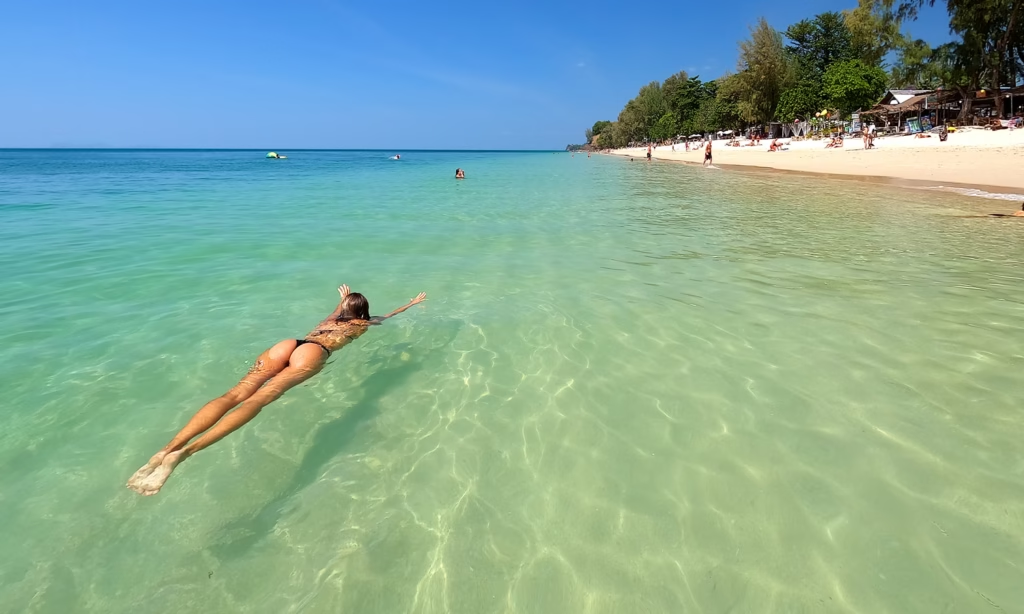
Explore the Eastern Gulf Islands, From Koh Chang to Koh Kood
The eastern Gulf of Thailand islands suit travelers who want forest, clear water, and fewer large resort areas. Koh Chang has the most services and the widest range of activities, while Koh Kood and Koh Mak offer slower days with less nightlife. Koh Wai is an even simpler stop, although its current operating status requires careful checking before you travel.
Ferry schedules change with the season, and some smaller islands have limited services. Build extra time into your route, especially during the May to October low season when some resorts and boat operators reduce their hours.
Koh Chang Combines Jungle Adventures With Beach Time
The island is the largest and most developed destination in this group, but dense forest still covers much of its mountainous interior. The west coast holds most visitor facilities, and each beach area has a different mood.
White Sand Beach is the easiest base for first-time visitors. It has plenty of hotels, restaurants, convenience stores, massage shops, and tour desks. The northern end feels more relaxed, while the central stretch has more traffic and evening activity.
South of it, Klong Prao has a spacious, resort-focused atmosphere. The beach is long and attractive, with a river dividing parts of the shoreline. It suits families and couples who want comfort without staying in the busiest area.
Kai Bae offers a useful middle ground. You will find restaurants, bars, small resorts, and sunset views, but the area feels less intense than White Sand Beach. Offshore islands are visible from the coast, and local operators arrange kayaking and boat trips.
At the southern end of the main west coast, Lonely Beach attracts backpackers and younger travelers. Budget bungalows, casual bars, and late evenings give it a social feel. The beach itself is smaller, and some nearby sections have rocky or uneven access, so check the exact location before booking.
Away from the sand, this jungle-clad destination offers waterfalls, forest walks, and viewpoints. Klong Plu Waterfall is one of the most accessible choices from the west coast, while Than Mayom Waterfall sits farther east in a greener, less developed setting. Short jungle trails lead through thick vegetation, but wet rocks can become slippery during the rainy season.
You can also kayak through coastal mangroves near Salak Phet or join a longtail boat trip around nearby islands. Snorkeling excursions often visit reefs and small beaches around the Mu Ko Chang marine park. Local community efforts are currently focused on reducing plastic waste to help protect the vibrant coastline. For a more personalized experience, visitors can book private tours to explore the hidden corners of the interior. For route ideas and current local conditions, this Koh Chang island guide offers useful destination details.
The destination looks compact on a map, but its steep interior and winding coastal road can make short distances feel surprisingly long.
The main road does not circle every part of the island, and the east and west coasts are not connected by a quick cross-island route. Reaching a beach on the opposite side may take much longer than expected, especially behind slow traffic or during holiday ferry periods. Plan excursions around your base, and avoid assuming that a restaurant, waterfall, or beach is only a few minutes away.
Travelers seeking a more polished stay can also compare current travel deals before booking. During the high season, popular beachfront rooms can sell out well ahead of arrival.
Koh Kood, Koh Mak, and Koh Wai Suit Slower Trips
Koh Kood, Koh Mak, and Koh Wai are smaller and less developed than the main regional hub, so they reward travelers who value quiet surroundings over convenience. Their differences matter when you are choosing accommodation and planning transport.
| Island | Accommodation and atmosphere | Main activities | Nightlife and services |
|---|---|---|---|
| Koh Kood | Quiet resorts, boutique stays, and beachfront bungalows | Waterfalls, swimming, kayaking, and boat trips | Very limited nightlife, with fewer shops and ATMs |
| Koh Mak | Small resorts, villas, and low-key guesthouses | Cycling, beaches, snorkeling, and island walks | A handful of restaurants and bars, with early evenings |
| Koh Wai | Simple beach accommodation when operating | Snorkeling, swimming, and resting | Minimal services, limited electricity, and no reliable backup options |
Koh Kood is the best choice for natural scenery and a peaceful resort stay. Its beaches are backed by palms and forest, while inland roads lead to waterfalls such as Khlong Chao. Kayaking along the river is another popular activity, particularly when the water is calm. Most visitors come to swim, read, and spend time at their resort rather than follow a packed itinerary.
Koh Mak has a flatter layout and a slower, more local feel. Renting a bicycle makes sense here because the roads are manageable and the distances are shorter. You can pedal between beaches, coconut plantations, small restaurants, and quiet viewpoints without planning every stop. Accommodation is generally modest or boutique in style, and evenings tend to end early.
Koh Wai has traditionally worked as a basic snorkeling stop between its larger neighbors. Its clear water, small beaches, and simple bungalows appealed to travelers who wanted a short digital break. However, current tourism information reports that the island is closed and its visitor facilities are not operating. Check directly with ferry companies and accommodation providers before adding Koh Wai to your route, since no firm reopening schedule is available.
Ferry frequency is another reason to keep your plans flexible. Koh Kood and Koh Mak depend on mainland piers and seasonal speedboat services, while connections between the islands may run only once daily or require advance notice. Smaller operators can also suspend trips when waves or weather become unsafe.
Carry enough cash for several days, download offline maps, and avoid assuming that every island has an ATM, pharmacy, clinic, or well-stocked convenience store. Medical care is more limited away from the main island, so bring prescription medication and a basic first-aid kit. If your ideal holiday includes spontaneous shopping, late-night dining, or frequent transport, the main destination will be easier. If you prefer a hammock, a quiet beach, and an unhurried schedule, Koh Kood or Koh Mak is a better match.

Koh Samet and Other Gulf Islands Near Bangkok
The northern Gulf of Thailand, often referred to as the Bay of Bangkok, offers three practical island choices for a short break from the capital. Many travelers begin their journey near the Chao Phraya River before heading to bus terminals for their departure. Koh Samet offers the strongest beach-resort experience, Koh Lan works best for a quick day trip, and Koh Sichang suits travelers who prefer history, local food, and a quieter setting.
Travel times depend heavily on Bangkok traffic, especially on Friday afternoons and holiday weekends. Check the latest road and boat schedules before leaving the mainland, because missing the final ferry can turn a simple island trip into an expensive overnight stay near the pier.
Which Short-Trip Island Is Best From Bangkok?
Use this comparison to match the island with your available time and preferred atmosphere.
| Island | Approximate travel time | Best for | Main drawback |
|---|---|---|---|
| Koh Samet | 3.5 to 4.5 hours | Beach resorts and a proper island stay | Weekend crowds and limited late boats |
| Koh Lan | 4.5 to 5.5 hours | A beach day from Bangkok or Pattaya | Busy beaches and a long round trip |
| Koh Sichang | 4.5 to 5.5 hours | History, local food, and quiet evenings | Fewer resort facilities and less frequent boats |
Koh Samet is the best choice when you want your trip to feel like a real beach vacation. Travel usually involves a bus, minivan, or private car to Ban Phe, followed by a ferry or speedboat to the island. The road journey from Bangkok takes around three to three and a half hours, while the crossing takes roughly 10 to 45 minutes, depending on the boat.
Once you arrive, Koh Samet has the most developed beach-resort feel of these three islands. You can choose lively Sai Kaew Beach, a quieter southern bay, or a resort with direct beach access. However, Friday arrivals, weekends, and public holidays bring heavier traffic and fuller hotels. The island’s national park entrance fee also applies.
For transport planning, Ekkamai bus terminal routes for island travel are useful when you are comparing public transport with a private transfer. Book accommodation ahead for weekends, then confirm the last boat from Ban Phe before setting out.
Koh Lan is the most convenient option for a beach day, although it isn’t directly connected to Bangkok. You first travel to Pattaya, then continue to Bali Hai Pier for a public ferry or speedboat. The mainland journey can take two and a half to three hours, followed by about 45 minutes on the ferry. Frequent daytime boats make the route manageable, but the return trip becomes tiring if traffic delays your departure from Bangkok.
Koh Lan is popular with Thai visitors and Pattaya tourists, so beaches and ferry terminals become crowded on weekends. Arrive early, choose your beach carefully, and check the return boat schedule before settling in. Travelers seeking a quick escape can also compare these quiet beach day trips from Bangkok before choosing between the island and the mainland coast.
Koh Sichang has a different character. The route runs through Si Racha, followed by a passenger boat from Koh Loi Pier that takes about 40 minutes. The island is around four and a half to five and a half hours from Bangkok in total, depending on traffic and connections.
Instead of large beach resorts, Koh Sichang offers historic sites, seafood restaurants, shrines, and a slower local pace. It is a better fit for cultural sightseeing than swimming, since its coastline has fewer classic sandy beaches. Boats may run hourly in the high season but less often during quieter periods, and the final services are limited. Check both directions before leaving Si Racha, especially if you plan to visit as a day trip.

How to Plan a Gulf of Thailand Island Hopping Trip
A successful Gulf of Thailand island hopping trip depends more on choosing one island group than collecting as many destinations as possible. Ko Samui, Koh Phangan, and Ko Tao connect naturally, while Koh Chang, Koh Kood, and Koh Mak belong to a separate eastern route that takes longer to reach. When deciding between the Gulf or the Andaman Sea, remember that the Gulf’s seasonal weather patterns differ significantly from the west coast, often providing calmer waters when the Andaman experiences its monsoon.
Allow at least one flexible day when ferries are important to your schedule. Morning departures usually leave more time for check-in and beach activities, but weather can still delay or cancel services. For extra route ideas, compare this Gulf of Thailand island-hopping guide before booking transport.
Sample Routes for Seven, Ten, and Fourteen Days
Keep your route focused. Every island change costs time because you must pack, reach the pier, wait for boarding, and transfer to your next hotel. The following itineraries use realistic overnight stays rather than treating ferry journeys as sightseeing time.
#### Seven days: first-time Gulf island route
- Nights 1 to 3, Ko Samui: Arrive, settle in, and choose one inland sightseeing day or a boat trip to Ang Thong National Marine Park.
- Nights 4 and 5, Koh Phangan: Stay near a quiet northern beach or choose Haad Rin if the Full Moon Party is your main reason for visiting.
- Night 6, Ko Tao: Take a snorkeling trip or spend the day at a nearby beach.
- Night 7, Ko Samui or Ko Tao: Keep this night on Ko Samui if you fly out the next morning. Stay on Ko Tao only if your departure schedule allows a comfortable ferry connection.
This is the most balanced first-time itinerary, but it moves quickly. If your international flight leaves early, spend the final night near the airport on Ko Samui rather than gambling on a same-day ferry.
Seven days: diving-focused route
- Nights 1 and 2, Ko Samui: Use the island as your arrival point and recover from the journey.
- Nights 3 to 6, Ko Tao: Schedule an entry-level certification course, several guided dives, or a mix of diving and snorkeling.
- Night 7, Ko Samui: Return the day before your flight.
Ko Tao deserves at least three full nights when diving is the main goal. Courses and boat trips follow fixed schedules, and poor sea conditions can remove a planned dive day. Leave enough time between your last dive and any flight, following your dive operator’s safety advice.
Ten days: a slower first visit
- Nights 1 to 4, Ko Samui: Add a beach day, a temple and waterfall outing, and one marine excursion.
- Nights 5 to 7, Koh Phangan: Explore the northern and western beaches, then schedule a wellness activity or sunset evening.
- Nights 8 and 9, Ko Tao: Take a snorkeling boat trip, visit Koh Nang Yuan, or book introductory dives.
- Night 10, Ko Samui: Position yourself for an easy flight home.
This route gives you more breathing room than the seven-day plan. It also lets you skip a boat outing if the forecast turns poor without losing the shape of the trip.
Fourteen days: quiet eastern-island route
- Nights 1 and 2, Koh Chang: Use the island as your base for a waterfall, jungle walk, or boat excursion.
- Nights 3 to 6, Koh Kood: Focus on swimming, kayaking, and slow beach days.
- Nights 7 to 10, Koh Mak: Rent a bicycle, visit small beaches, and enjoy the island’s early evenings.
- Nights 11 and 12, Koh Chang: Return to the larger island for easier dining, supplies, and transport connections.
- Nights 13 and 14, Bangkok or near the departure airport: Keep the final connection separate from the last island ferry.
Koh Kood and Koh Mak have fewer transport options than Koh Chang. Check the return speedboat schedule before booking, and don’t build an international flight around the final boat of the day. This eastern itinerary is better for travelers who want nature and quiet beaches than for visitors seeking nightlife or frequent organized activities.
Avoid combining Koh Chang with Ko Samui in a short trip. The two island groups sit on opposite sides of the country, so the overland and flight connections can consume most of a day.
When to Go, How to Move Around, and What to Budget
The Gulf islands generally have their most reliable beach conditions between January and September, although weather varies by month and island. December through February brings popular dry-season conditions, but hotels, ferries, and tours often cost more. Interestingly, late summer in the upper Gulf can provide unique opportunities for whale watching. July and August can offer good value, with sunny periods interrupted by short rain showers.
October and November are usually the wettest months for Ko Samui, Koh Phangan, and Ko Tao. Heavy rain can produce rough seas, reduced ferry schedules, and canceled snorkeling or diving trips. If you travel then, book flexible rooms and avoid arranging a tight same-day connection between a ferry and an international flight.
A practical transport plan usually looks like this:
- Fly directly to Ko Samui when convenience matters and the fare fits your budget.
- Use ferries between Ko Samui, Koh Phangan, and Ko Tao.
- Return to Ko Samui before a flight unless your schedule includes a generous buffer.
- Reach Koh Chang, Koh Kood, or Koh Mak through Trat-area mainland piers.
- Book a private transfer when you have heavy luggage, children, or a late arrival.
Ferry operators can delay departures because of wind, rain, poor visibility, or rough water. Even when the crossing is safe, boats may leave late or arrive behind schedule during busy periods. Keep passports and electronics in a dry bag, and carry snacks, water, motion-sickness medicine, and a light layer for the crossing.
Airport transfers also affect the real travel time. Ko Samui’s airport is close to several major resort areas, but the price of a taxi or private vehicle changes with distance and time of day. Eastern islands require a mainland transfer before the boat, so a hotel that looks inexpensive may cost more once you add a minivan, pier transfer, ferry, and local taxi.
Your budget should include each part of the trip, not just the room rate:
| Budget category | What changes the cost |
|---|---|
| Accommodation | Beachfront location, private bathrooms, resort facilities, and peak-season demand |
| Food | Local markets and casual restaurants cost less than hotel dining and beach clubs |
| Ferries | Route, boat type, luggage, season, and whether transfers are bundled |
| Tours | Private boats cost more than shared snorkeling or marine park trips |
| Diving | Certification courses, equipment, boat dives, and instructor ratios |
| Scooters | Daily rental, fuel, insurance, and possible taxi costs when you don’t ride |
| Private transfers | Airport pickup, pier connections, luggage, and late-night travel |
Resort islands such as Ko Samui and Koh Chang offer more restaurants, ATMs, clinics, transport choices, and accommodation categories. Smaller islands such as Koh Kood and Koh Mak provide fewer services, so convenience often costs more. A cheap room may require expensive taxi rides, paid boat transfers, or long journeys to reach beaches and activities.
Compare the full trip cost, including transport and tours, before choosing the lowest nightly rate.
For a broader planning comparison, this Thailand island-hopping itinerary guide can help you weigh the Gulf islands against other Thai routes. During high season, reserve popular rooms and diving courses several weeks ahead. In quieter months, flexibility can reduce costs, but confirm that your preferred resort and ferry route still operate.
Gulf of Thailand Travel FAQs
Which Gulf island is best for first-time visitors?
Ko Samui is the easiest choice because it has an airport, many hotels, varied restaurants, organized tours, and simple connections to Koh Phangan and Ko Tao. It also suits travelers who want comfort and activities without relying on a small number of local services.
How many days are needed for island hopping?
Allow seven days for a quick Samui, Phangan, and Tao route. Ten days feels more comfortable, while fourteen days works better for adding activities or following the quieter Koh Chang, Koh Kood, and Koh Mak route. Avoid changing islands every night.
Is Ko Samui or Koh Phangan better for families?
Ko Samui usually works better for families because it offers more medical facilities, restaurants, resorts, shopping, and airport access. Koh Phangan is also suitable, especially around its quieter northern beaches, but roads and services are less consistent in some areas.
Is Ko Tao good for non-divers?
Yes. Non-divers can snorkel, visit Koh Nang Yuan, hike to viewpoints, relax at beaches, and join boat trips. Stay at least three nights if water activities matter, since weather may cancel one outing.
Can travelers visit Koh Chang and Ko Samui on the same trip?
They can, but the route is inefficient. The islands sit in different parts of Thailand, so combining them requires a long mainland journey or a flight connection. Plan at least two weeks and treat the transfer as a full travel day.
Which island is quietest?
Koh Mak is usually the quietest practical choice, with Koh Kood close behind. Koh Wai has fewer facilities, but its accommodation and ferry operations can change, so confirm that it is open before planning a stay.
What should visitors do if ferries are canceled?
Contact the ferry operator and your accommodation immediately. Ask about the next sailing, request a booking change, and keep receipts for extra transport or lodging. Don’t travel to the pier without confirmation, and leave a buffer day before any flight from the mainland or Ko Samui.
Conclusion
The Gulf of Thailand offers a perfect island for nearly every travel style. Ko Samui remains the easiest all-rounder for a base, Ko Pha Ngan creates a unique balance between serene beaches and vibrant nightlife, and Ko Tao stands out as the premier destination for snorkeling and diving.
Koh Chang provides dense jungle landscapes, while Koh Kood and Koh Mak are ideal for travelers seeking quiet, secluded sands. If you need a shorter break, Koh Samet is the most practical choice from Bangkok. You can also compare these best beaches in the Gulf of Thailand before choosing your final home base.
Choose fewer islands to leave room for slow mornings, changing weather, and authentic local experiences. Pick the region first, then build your route around the pace and activities you actually want.