CHIANG RAI — Seven Thai agricultural agencies collected 200 soil, water, vegetable and rice samples across Chiang Rai province on Nov. 24–25 to screen farmland near three border rivers for arsenic and heavy metal contamination, with final laboratory results due Dec. 15.
Agriculture and Cooperatives Minister Suriya Juangroongruangkit and Deputy Minister Piyarat Tiyapairach ordered the sweep along the Kok, Sai and Ruak rivers to safeguard crop production, restore buyer confidence and build an updated agricultural risk map for northern growers.
Key Takeaways
- Seven Ministry of Agriculture and Cooperatives agencies sampled 200 sites located 200 meters and 500 meters from the banks of the Kok, Sai and Ruak rivers between Nov. 24 and Nov. 25.
- Teams gathered 100 initial samples in Mueang Chiang Rai district alongside targeted sweeps across Doi Luang, Wiang Chai, Wiang Chiang Rung, Chiang Saen and Mae Chan districts.
- Officials will release full analytical findings by Dec. 15 to populate a farm-level Agri-Map and guide remediation if toxic levels appear.
Seven Agencies Sweep Riparian Farmland
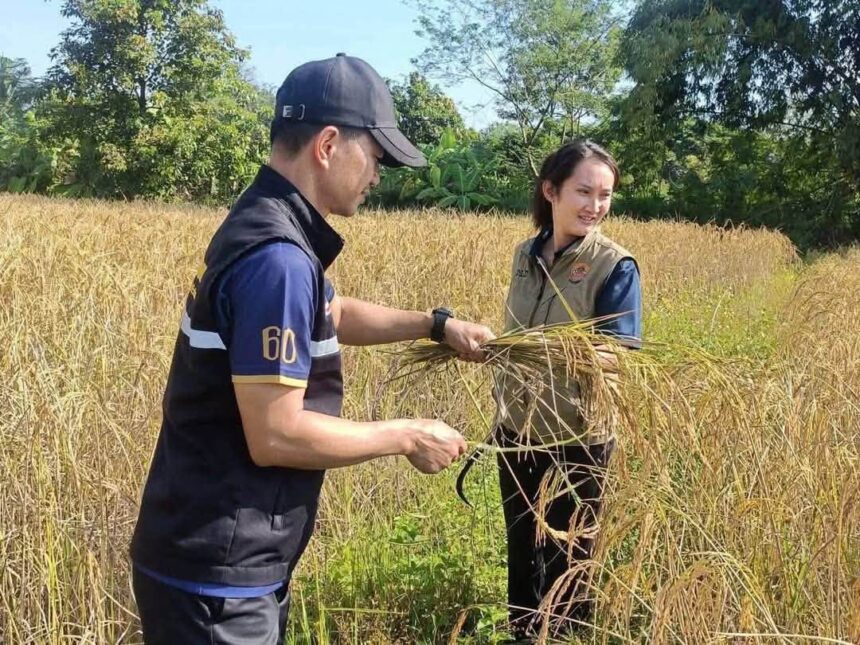
Field teams began collecting samples at dawn on Nov. 24 across high-risk watersheds, focusing strictly on agricultural plots situated 200 meters and 500 meters inland from riverbanks. According to the Ministry of Agriculture and Cooperatives, the joint operation mobilized technical specialists from the Land Development Department, Department of Agriculture, Rice Department, Department of Fisheries, Department of Livestock Development, Royal Irrigation Department and Department of Agricultural Extension.
Inspectors gathered the first 100 samples inside Mueang Chiang Rai district, covering Huai Chomphu, Mae Yao, Rim Kok, Wiang, Rop Wiang and Mae Khao Tom subdistricts. Additional teams fanned out across watershed communities in Doi Luang, Wiang Chai, Wiang Chiang Rung, Chiang Saen and Mae Chan districts to evaluate topsoil chemistry, irrigation water quality, commercial vegetables and unmilled paddy rice.
Upstream Mining Drives Cross-Border Contamination Fears
The emergency farm survey follows months of escalating alarm over toxic runoff entering northern Thailand from upstream mining operations in Myanmar’s Shan State. Water and sediment monitoring by Thailand’s Pollution Control Department previously detected elevated arsenic and heavy metals along the Kok, Sai and Ruak rivers, which irrigate more than 20,000 hectares of Chiang Rai cropland before draining into the Mekong River. Earlier in November, the Provincial Waterworks Authority suspended raw water intake from affected river sections after sediment contamination strained municipal treatment systems.
Diplomatic pressure has mounted alongside domestic environmental testing. On Nov. 25, Thailand and Myanmar agreed to establish six joint monitoring stations along the Kok and Sai rivers to exchange water quality data, while Thai officials urged a six-month suspension at upstream mines after chemical fingerprinting linked the arsenic spikes to rare-earth and gold extraction across the border. For Chiang Rai growers, the cross-border environmental crisis quickly became an acute economic threat when regional millers and grain traders hesitated to purchase local harvests over food safety rumors.
Science-Backed Agri-Map Targets Dec. 15 Release
Separating confirmed contamination zones from safe farmland is now the ministry’s top operational priority. While paddy rice trading recently resumed in Mae Sai district after university laboratory tests cleared initial grain batches, agricultural officials emphasized that province-wide scientific data is essential to prevent blanket market boycotts that penalize uncontaminated farms.
Once state laboratories complete chemical testing on all 200 samples by Dec. 15, the ministry will integrate the analytical readings into its digital Agri-Map platform. The spatial database will allow local extension officers to pinpoint exact risk zones, advise farmers on safe planting schedules and deploy targeted soil or water remediation wherever heavy metals exceed safety thresholds.
Ministry officials confirmed that continuous field surveillance will remain active to protect both rural livelihoods and consumer health across domestic and export markets.
Trending News:
Mae Sai 70m Well Finds Arsenic-Free Water for Villagers
Chemicals From Thailand Fuel Chiang Rai River Pollution