
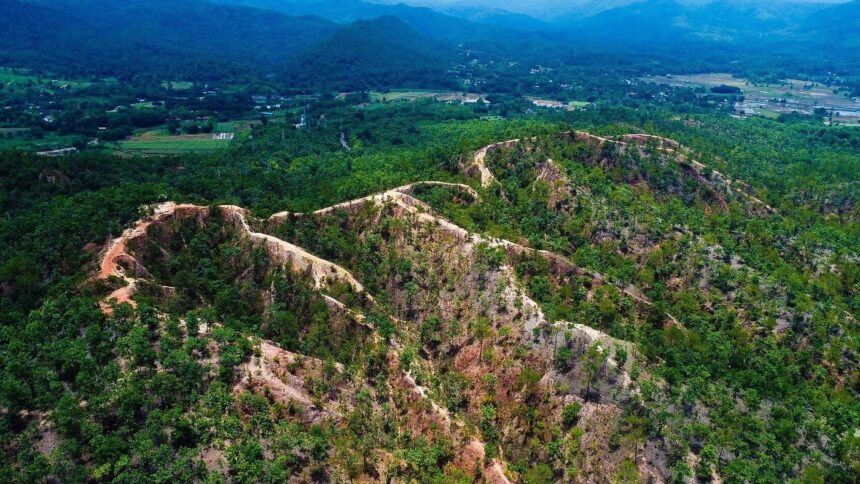
Pai’s green valley gives way to narrow, rust-colored ridges at Pai Canyon, where visitors come for short walks, broad views, and the late-afternoon light. The first viewpoint offers a taste of the scenery, while the exposed, uneven paths beyond it call for care.
This is a natural viewpoint, not a developed hiking park, so conditions can affect how far you’ll want to walk. Plan your visit around the route, daylight, and weather, and keep a flexible schedule for nearby stops. The guide starts with what you’ll find at the canyon and how to approach its ridges safely.
Key Takeaways
- Pai Canyon’s first viewpoint gives you a broad look at the red ridges, while paths beyond it are narrow, uneven, and exposed.
- Sunset is a popular time to visit, so arrive early for a spot and check Pai Canyon sunset and trail guidance.
- Wear shoes with reliable grip and keep to established paths; wet or loose soil can make the ridges slippery.
- Check the forecast before leaving, bring water and a light windproof layer, and turn back if rain or fading light makes walking unsafe.
- Allow time for the winding road and your return ride. These mountain day-trip safety tips can help you plan.
Exploring Pai Canyon in Mae Hong Son, Thailand
Pai Canyon, also known as Kong Lan, is a series of eroded earth ridges and gullies above the Pai Valley. The site feels open and exposed, with wide views across the surrounding countryside. Visitors can stay near the entrance for an easy look or continue along the ridges, where the terrain demands more care.
What the canyon looks and feels like
The canyon’s dry, layered earth forms narrow spines separated by steep gullies. Rust, ochre, and dusty brown tones stand out against the valley, while the elevated viewpoints open onto farmland and distant hills. For a closer look at the ridge formations, see this Pai Canyon landscape guide.
The scenery shifts with the weather. After rain, plants and nearby slopes can look greener, and the soil may feel damp underfoot. In the hotter, drier months, the ridges take on a more muted, dusty appearance. These changes affect the feel of the visit, so check conditions before setting out and adjust your plans if rain makes the ground slippery.
The difference between the viewpoint and the ridges
You don’t need to hike the ridges to see Pai Canyon. The main viewing area is a short walk from the entrance, making it a practical choice if you want a panorama without walking along exposed edges. From there, you can take in the carved gullies and valley views, then decide whether to continue.
Farther on, informal paths follow narrow, uneven ridgelines. They aren’t a fully developed trail network, and footing, width, and surface conditions can vary. Some stretches have steep drops beside the path, so walk slowly, leave room for others to pass, and turn back if the route feels uncomfortable. Visitors interested in longer outdoor outings can also review these adventure activities in Thailand, while keeping the canyon’s exposed terrain in mind.
Plan the Best Time and Route for Your Pai Canyon Visit
Pai Canyon is an easy addition to a day in Pai, but the best timing depends on the light, weather, and how you’ll get back. It lies a short drive south of town along Route 1095, the main road toward Chiang Mai. Check current access and transport locally before you leave, since conditions and services can change.
Choose between sunrise, daytime, and sunset
Late afternoon is popular because the air is cooler and the light shifts across the canyon’s red ridges. Sunset draws more visitors, though, so expect company at the main viewpoint and leave enough daylight for your return. If you plan to walk beyond the entrance area, turn back while you can still see the path clearly.
Sunrise may offer a quieter visit, but don’t assume access or a ride will be available at that hour. Confirm local access and arrange transport in advance. In low light, stick to the main viewpoint rather than exploring unfamiliar ridges. For current directions and route details, check this guide to reaching Pai Canyon.
Allow time for the drive and your return
The canyon can fit into a Pai day trip, whether you’re riding a scooter, driving a car, taking a taxi, or joining an arranged tour. Build in extra time for the road and your visit, especially if rain, traffic, or poor visibility slows the trip. Fog can affect northern mountain routes, so check road and fog conditions on the Pai route before setting out.
If you hire a taxi or local ride, agree on the pickup time and fare before you go. Confirm where the driver will meet you, too. Don’t count on finding a last-minute ride after sunset; arrange your return before heading to the canyon.
Pack for heat, dust, and uneven ground
Even a short visit involves walking on uneven, exposed terrain. Wear closed-toe shoes with good grip, and bring water, sunscreen, and a hat for the hotter parts of the day. A light layer can help when the evening air cools.
Carry a charged phone and some cash, but don’t rely on shops, drinking water, or other services being available at the viewpoint. Before leaving town, check the forecast and confirm access and transport details locally. If weather or fading light makes the ridges hard to walk safely, stay near the main viewpoint or leave.
Walk the Ridges Carefully and Leave the Landscape as You Found It
Pai Canyon’s first viewpoint offers a good place to enjoy the scenery without taking on the exposed ridges. Beyond it, paths can be loose, uneven, and narrow, with steep drops and few or no barriers. A short walk still calls for attention, especially when the ground or visibility changes.
Know when to stop at the main viewpoint
Before continuing, look at the path ahead and be honest about how comfortable you feel. Turn back if the ground shifts underfoot, the trail narrows too much, or you feel unsure about your footing. You don’t need to reach a particular ridge to make the visit worthwhile.
Avoid climbing down steep gullies or walking close to crumbling edges, even if a photo spot looks appealing. Keep to established routes, and give other visitors room to pass without stepping toward the drop. If staff close an area or ask you to turn around, follow their instructions.
Use extra care in rain, heat, and fading light
Rain can make Pai Canyon’s loose earth slippery, so shorten your walk or stay near the main viewpoint if the surface is wet. In strong sun, drink water regularly and take a break if you feel weak, dizzy, or nauseated. For more general guidance on changing conditions and mountain risks, see these Northern Thailand camping safety tips.
Poor visibility makes it harder to judge the path and nearby edges. Avoid ridge walks in fog, heavy rain, or after dark, and don’t set out on an unfamiliar section as daylight fades. If you’re visiting with others, stay together rather than spreading out along the ridge.
Take photos without disturbing the site
Choose stable ground for photos and keep a safe distance from every edge. Don’t step onto fragile earth or damage plants to find a clearer angle. The Leave No Trace guidance on traveling across durable surfaces offers a useful principle: avoid creating new tracks across natural ground.
Carry out everything you bring in, including small bits of packaging and food scraps. The Leave No Trace waste guidance recommends packing out trash rather than leaving it behind. Keep voices low, too, so other visitors can enjoy the views and the quiet of the canyon.
Make Pai Canyon Part of a Relaxed Pai Itinerary
Pai Canyon fits well into a half-day plan, especially if you treat it as one stop rather than the whole outing. Choose a light window that suits the weather, leave enough time to walk only as far as feels safe, then head back to town for dinner or another low-key activity.
Pair the visit with Pai town or a nearby stop
For a simple plan, visit the canyon in the late afternoon, then return to Pai for a meal. If you’re hoping to catch sunset, arrange your ride back in advance and leave room for the walk to take longer than expected. Pai Walking Street can be an evening option when it’s operating, while a cafe or restaurant in town gives you an easier fallback. For more ideas, browse our guide to Pai’s attractions and nearby hot springs.
You can also add a nearby attraction if the weather, transport, and your energy allow. The Tourism Authority of Thailand highlights places such as Tha Pai Hot Spring and Wat Phra That Mae Yen among Pai’s visitor stops. Check Tourism Authority of Thailand’s Pai guide for ideas, then confirm current access for any extra stop before setting out. Don’t assume a site is open or reachable just because it appears in an older itinerary.
Keep the plan flexible
Build your day around a comfortable visit, not a fixed checklist. Traffic, rain, or a slow return ride can change the timing, and the exposed ridge paths may take longer to walk safely than the short approach to the first viewpoint. Leave a buffer before dinner or any booked activity.
If the ground is wet, visibility is poor, or you’re tired, stay near the main viewpoint and skip the ridge hike. That choice still gives you a clear look at the canyon without adding unnecessary risk. You can shorten the outing, return to town, and keep the rest of the day easy.
Frequently Asked Questions
A few practical details can help you decide how to visit Pai Canyon and what to expect on arrival. Conditions, transport, and access arrangements may change, so check locally before setting out.
Is Pai Canyon difficult to visit?
The short walk to the first viewpoint is generally easier than walking along the narrow ridges. You can enjoy the canyon scenery from the main viewing area without taking on exposed sections. If you do continue, walk only as far as the surface and your comfort allow.
Is there an entrance fee at Pai Canyon?
Access arrangements and any charges can change, so don’t rely on an old price or assume the details will be the same on your visit. Check locally before traveling, especially if you’re planning around a particular opening time or service.
Can I visit Pai Canyon without a scooter?
Yes. Taxis, local rides, and organized tours can take you to the canyon, depending on what’s available in Pai. Before you leave, confirm the pickup location, return time, and total fare so you’re not left looking for a ride after sunset.
Is Pai Canyon safe for children?
Families can enjoy the main viewing area, but exposed edges and uneven ground need close supervision. Keep children away from ridge walks unless the adults with them have checked the conditions and feel the route is suitable. The Pai visitor guide describes the narrow ridges and steep drops.
How long should I spend at Pai Canyon?
A visit can be brief if you stay near the viewpoint, or longer if you walk a short stretch of ridge. Allow enough time to return before dark, and don’t rush to reach a particular spot. Good footwear and a steady pace matter more than covering extra ground.
What should I do if the paths are wet or visibility is poor?
Skip the exposed ridges if the ground is wet or you can’t see the route clearly, and follow any posted closures or staff instructions. Conditions can shift quickly, so choose another activity in Pai rather than risking a ridge walk for sunset. For other low-impact travel ideas, see our guide to responsible travel in Pai.
Conclusion
Pai Canyon rewards visitors with memorable views, but the best visit is one that fits the weather, available daylight, and each person’s comfort on uneven ground. Choose a route you can walk safely, carry water, and turn back when conditions or footing feel uncertain.
As you plan, allow time for the return journey and prepare for changing mountain conditions. For added context, check our cold-weather safety tips for Northern Thailand. Leave the landscape undisturbed by staying on established paths and packing out everything you bring.