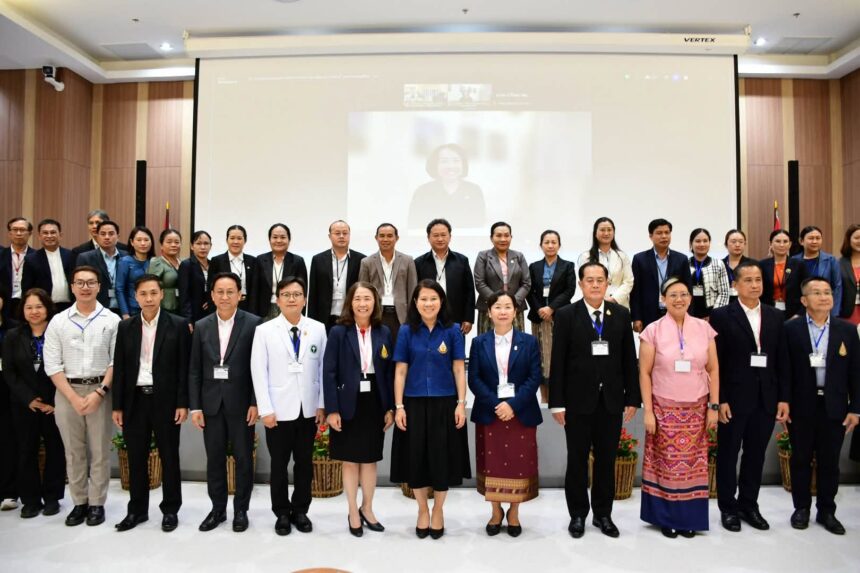
CHIANG RAI — Thailand and Laos health authorities unveiled a sweeping five-year action plan on Friday to overhaul emergency medical transfers, disease surveillance, and specialist training along their shared northern border. Hosted at the Mae Fah Luang University Medical Center Hospital in Chiang Rai, the summit brought together provincial health offices from Chiang Rai and Nan alongside counterparts from Laos’ Bokeo, Sainyabuli, and Luang Prabang provinces.
Covering 2027 through 2031, the draft blueprint targets four core pillars: clinical medicine, workforce training, academic research, and cross-border health services. The initiative addresses immediate gaps in specialist care across northern Laos while establishing a formal referral pipeline to prevent infectious disease outbreaks from spilling across the Mekong frontier.
Key Takeaways
- Five-Year Roadmap (2027–2031): Thai and Lao officials drafted a cross-border strategy focusing on clinical care, medical training, joint research, and patient transfers.
- Three Bilateral Corridors: Operational tasks are split between Chiang Rai–Bokeo, Nan–Sainyabuli, and an academic partnership linking Mae Fah Luang University with Luang Prabang.
- Closing Specialist Gaps: Short-term surgical, anesthesia, and dental training courses will upskill Lao medical staff based on direct field assessments.
Three Bilateral Corridors Target Local Health Gaps
Rather than relying on broad diplomatic pledges, planners divided the framework into three targeted geographic pairs. Chiang Rai and Bokeo province will streamline emergency patient transfers, strengthen border infectious disease tracking, and launch proactive cancer screenings. Farther south, Nan province and Sainyabuli will focus on community-level screening for non-communicable diseases alongside specialized surgical training.
The third pillar connects Mae Fah Luang University directly with Luang Prabang health officials and Souphanouvong University. Together, the institutions will run advanced cardiopulmonary resuscitation courses, comprehensive cancer detection programs, routine-to-research clinical studies, and a dedicated wellness center. Short-term training modules in surgery, anesthesiology, and dentistry will take place both in Chiang Rai and inside Lao hospitals, paired with joint research on cross-border health management and wellness tourism.
“Border public health challenges—from emergency transfers and communicable disease surveillance to chronic illness and specialist training—are deeply interconnected,” said Assistant Professor Dr. Matchima Naradisorn, president of Mae Fah Luang University. “No single agency can solve them alone.”
Mekong Geography and Patient Flows Drive Reform
The push to formalize cross-border protocols stems from decades of uneven medical infrastructure along the upper Mekong River. While Chiang Rai and Nan operate tertiary referral hospitals with advanced surgical suites, mountainous provinces in northern Laos frequently lack specialized diagnostic and trauma equipment. Public health studies on transnational patient mobility along the northern Thai-Lao border show that thousands of Lao residents cross into Thailand each year—often through river checkpoints like Chiang Saen and Ton Phueng—to seek urgent treatment.
Historically, ad-hoc patient crossings have strained Thai border facilities with uncompensated emergency care and delayed medical histories, while leaving Lao clinics without follow-up records. Field surveys conducted ahead of Friday’s meeting confirmed that Lao health agencies urgently need specialized clinical skills and standardized referral channels. By training Lao physicians locally and establishing clear transfer rules, officials aim to treat routine and acute cases closer to home before patients require critical evacuation.
Diplomats and NGOs Align Next Operational Steps
High-level diplomatic backing underscored the strategic weight of the talks. Thai Ambassador to Vientiane Khrongkanit Rakcharoen and Ministry of Foreign Affairs representatives joined hospital executives to review the draft under the banner of “Enhancing Well-being, Connecting Borders, and Building a Sustainable Future Health Network.”
“This action plan acts as a systematic mechanism to link every sector, eliminate duplicated work, and share resources more efficiently,” said Dr. Atchara Laohavongpanich, director of the Mae Fah Luang University Medical Center Hospital. “The ultimate goal is a better quality of life for people living all along the border.”
During afternoon panel discussions moderated by Vice President Assistant Professor Dr. Romyen Kosaikanont, provincial health leaders outlined expectations for regional health security alongside the Child’s Dream Foundation, a Mekong-focused non-profit supporting pediatric and community healthcare access. Visiting delegations also toured the hospital’s emergency room, pediatric unit, intensive care wards, operating theaters, chemotherapy ward, and dental school before finalizing implementation timelines for early 2027.
Trending News:
Mae Fah Luang University Test Sai River for Contamination After Recent Flooding
Mae Fah Luang University Wins Top Innovation Award at APPTech EXPO 2026