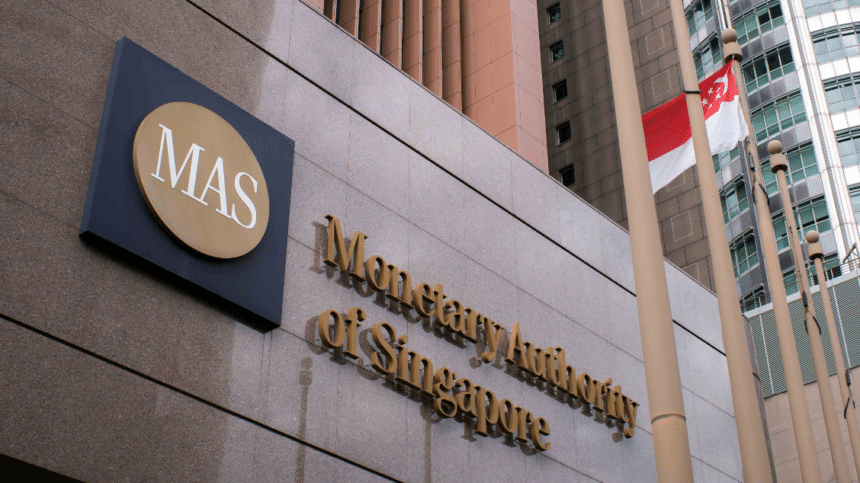
SINGAPORE — Singapore’s central bank has overhauled its investment fund rules to give everyday investors access to a wider mix of non-traditional funds, while cutting regulatory approval times by up to 75%. The Monetary Authority of Singapore announced Thursday that immediate amendments to the Code on Collective Investment Schemes will allow retail funds with novel structures that previously fell outside standard guidelines.
Under the new framework, initial applications for non-traditional retail funds will take about three months to clear, down from the previous six- to 12-month wait. Subsequent funds using the same approved structure will take just three weeks, though private-market funds remain off-limits to retail buyers for now.
Key Takeaways• Faster approvals: MAS slashed review timelines for new non-traditional retail fund types to roughly three months, with follow-on funds approved in three weeks. • Expanded product scope: A new Alternative Funds Appendix lets retail managers offer complex strategies, such as futures-based single-commodity funds, under strict safeguards. • Private markets still excluded: Private equity and private credit funds remain barred from general retail distribution while MAS reviews feedback from a separate consultation. |
A New Pathway for Non-Traditional Strategies
At the core of the rule change is a new Alternative Funds Appendix added to the Code on Collective Investment Schemes. Until now, Singapore’s retail fund regime relied on rigid investment guidelines designed around plain-vanilla equity and bond portfolios. Any fund using non-standard assets or derivatives faced months of case-by-case exemptions.
That bottleneck discouraged asset managers from launching innovative products locally. Under the updated rules, MAS will assess novel fund types against tailored guardrails, including mandatory product labels, liquidity rules and prominent risk disclosures. Funds approved under this appendix must carry clear “Alternative Fund” branding on prospectuses and marketing sheets so retail buyers do not confuse them with conventional funds.
According to Fintech News Singapore, MAS also confirmed that existing custody standards and statutory obligations under the Securities and Futures Act 2001 remain fully intact. Fund distributors must still assess customer knowledge and provide plain-language educational materials before selling complex products.
Why Singapore Moved Now — and What Stays Off-Limits
The overhaul addresses a growing competitive gap in Asia’s wealth management hub. Retail investors in Hong Kong and the European Union already buy regulated funds tracking single commodities, hedged strategies and specialized sovereign debt. Singapore’s older rules kept similar products locked behind accredited-investor thresholds, which require at least S$2 million in net personal assets or S$300,000 in annual income.
By opening a regulated channel for non-traditional liquid funds, MAS aims to keep retail capital onshore while preventing investors from turning to unregulated offshore platforms. Yet regulators drew a firm line at illiquid private assets. Private equity, venture capital and private credit funds remain excluded from this week’s changes.
Those asset classes lock up investor money for years and carry steep valuation risks. MAS previously published a separate consultation paper on private market retail access proposing Long-Term Investment Funds with strict redemption caps and manager experience rules. Officials said Thursday they will publish their formal response to that feedback at a later date.
What Investors and Fund Managers Should Expect
For Singapore’s retail savers, wider choice will not mean a free-for-all. Complex funds approved under the new appendix remain subject to Singapore’s Customer Knowledge Assessment rules, meaning banks and brokerages must verify an investor’s financial background before processing orders.
Asset managers, meanwhile, gain a predictable launch schedule. Global fund houses can also apply to have comparable foreign funds recognized in Singapore, expanding shelf space across local wealth platforms. MAS warned that it will closely monitor fair-dealing practices as the first wave of new funds hits the market in early 2027.