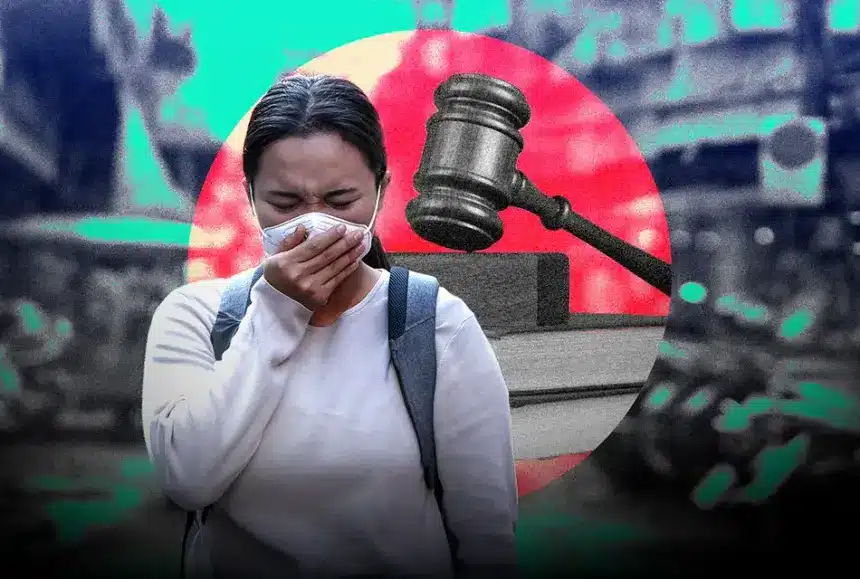
BANGKOK — Thailand’s House of Representatives unanimously approved the revised Clean Air Management Bill on Nov. 25, sending the long-awaited legislation to the Senate for a final confirmation vote scheduled for Nov. 30. Lawmakers voted 430-0 in favor of the compromise text, advancing a seven-year legislative push to curb hazardous fine particulate pollution before peak haze conditions return.
The measure establishes a statutory right to clean air and equips provincial officials with direct enforcement powers against industrial and agricultural polluters. If the Senate endorses the draft next week, the bill will proceed to royal endorsement and publication in the Royal Gazette before taking legal effect.
Key Takeaways• Thailand’s House voted 430-0 on Nov. 25 to approve the compromise Clean Air Management Bill after reconciling 92 Senate-amended sections. • The draft legislation empowers provincial governors to regulate polluters, establishes a dedicated Clean Air Fund and authorizes cross-border diplomatic action. • The Senate is scheduled to vote on the revised bill on Nov. 30, the final parliamentary step before royal assent. |
Enforcement Tools and Polluter Accountability
A joint parliamentary committee chaired by Bhumjaithai Party lawmaker Anurak Chureemas reconciled differences between the two chambers across 11 meetings, accepting 54 of the Senate’s 92 amendments while refining 50 sections. The committee retained core economic instruments built around the polluter-pays principle alongside a dedicated Clean Air Fund to finance mitigation projects.
Under the revised framework, provincial governors will chair local clean air committees, with provincial administrative organization chiefs serving as vice chairs. These panels gain authority to order polluting facilities to halt operations, restrict open agricultural burning and require public disclosure through a Pollutant Release and Transfer Register.
Debate before the vote highlighted sharp adjustments to financial penalties during upper-house review. People’s Party lawmaker Phattharaphong Leelaphatreported that maximum fines for certain pollution offenses were lowered from 50 million baht in the House’s initial draft to 5 million baht in the compromise version.
Public Health Protections and Cross-Border Reach
Beyond factory smokestacks, the bill codifies protections for vulnerable populations, including children, pregnant women, outdoor workers and low-income residents exposed to seasonal smog. It mandates local air quality warning systems and requires state agencies to integrate health impact assessments into regional haze response plans.
The text also addresses smoke drifting across national borders. It assigns the Ministry of Foreign Affairs a formal mandate to coordinate with neighboring governments alongside the Ministry of Natural Resources and Environment, creating legal backing for regional crop traceability and supply-chain accountability.
Northern Valleys and Seven Years of Legislative Gridlock
The push for binding air quality rules gained urgency from recurring public health emergencies across northern Thailand, where winter temperature inversions trap smoke inside mountain basins between February and April. In upper northern provinces such as Chiang Rai and Chiang Mai, fine dust readings routinely breach national safety thresholds, straining hospital respiratory wards and disrupting winter tourism.
Past governments relied on temporary provincial burning bans and cabinet resolutions that lacked unified statutory teeth across ministries. Citizen networks first submitted a people’s version of the clean air legislation more than seven years ago, only to see earlier drafts stall across parliamentary dissolutions and committee reviews.
Geographic realities complicate enforcement on the ground. Satellite hotspot monitoring documented by the Chiang Rai Times shows that 30% to 40% of northern Thailand’s fine dust originates outside the country’s borders in neighboring Myanmar and Laos, meaning domestic fines alone cannot clear the region’s skies without sustained diplomatic leverage.
The revised text now returns to the Senate for its Nov. 30 confirmation vote. Because the joint committee resolved all disputed clauses, senators will vote to accept or reject the unified draft without introducing new amendments.
Lawmakers urged ministries to prepare subordinate regulations immediately so enforcement mechanisms can deploy ahead of next year’s dry season once the bill completes parliamentary approval and receives royal assent.
Trending News:
Thailand’s Youth Unveil Bold Solutions for Clean Air and Water
Thailand’s Lawmakers Reject Senate’s Clean Air Bill Changes