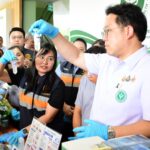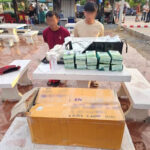

MAE SAI — Public Health Minister Pattana Promphat inspected reverse-osmosis water filtration stations and visited affected homes in northern Thailand’s Mae Sai district on Tuesday, Nov. 25, as authorities stepped up medical screening over heavy metal contamination in the Sai River.
Joined by Chiang Rai Deputy Governor Prasert Jitpleecheep and the Mae Sai district chief, Pattana met with residents and market vendors along the Myanmar border to curb arsenic exposure risks. The emergency push targets communities reliant on river water that recently tested up to 28 times above national safety limits.
Key Takeaways• Public Health Minister Pattana Promphat inspected upstream water treatment sites and visited impacted households in Mae Sai on Nov. 25. • Royally bestowed drinking water stations now use multi-stage reverse-osmosis filtration to strip arsenic from local tap supplies. • Health teams are pairing safe-food advisories at local markets with frontline medical monitoring to protect border residents. |
Protecting Daily Water and Food Supplies
At the Hua Fai weir near the Sai River headwaters, Pattana examined royally bestowed drinking water distribution points. Technicians filter municipal tap water through multi-stage purification and reverse-osmosis units designed to strip dissolved arsenic and heavy metals before public distribution.
Earlier in the day, the minister walked through a neighborhood produce market to speak directly with vegetable vendors and shoppers. Health officials instructed residents on washing produce thoroughly, selecting safe food sources and avoiding direct contact with untreated river water. Pattana also visited families affected by the contamination to listen to household concerns and bolster local confidence.
Cross-Border Mining Drives Contamination Crisis
The border health response follows weeks of escalating alarm across northern Thailand. Environmental researchers traced the toxic sediment load to unregulated gold and rare-earth mining operations upstream in Myanmar’s Shan State. Raw water samples in the Sai River hit 0.28 milligrams of arsenic per liter—far above Thailand’s 0.01-milligram safety threshold—disrupting supplies for more than 20,000 households.
Prolonged exposure to inorganic arsenic accumulates in human tissue, posing severe risks of skin lesions, organ damage and cancer. Because contaminated river water feeds local irrigation canals and fisheries, agricultural runoff threatens regional rice paddies and aquatic food chains. In response, the Ministry of Public Health opened a frontline operations center in Chiang Rai on Tuesday, deploying rapid urine-screening kits and village health volunteers to track high-risk residents.
Thai diplomats are also preparing water-quality data for upcoming transboundary talks with Myanmar and China to curb upstream mine discharges. Until bilateral controls take hold, provincial officials say continuous water testing, filtration upgrades and community health outreach remain Mae Sai’s primary line of defense.
Trending News:
Public Health Opens Chiang Rai Center for Arsenic Crisis
Residents in Mae Sai Rally Against Myanmar Toxic Mine Pollution