Thailand’s beach boat trips make it easy to hop between islands, reach quiet coves, and spend the day on the water. But conditions offshore can change, so staying safe starts with checking the forecast for your route and making sure you have a life jacket that fits and is easy to reach.
Before you board, ask the operator whether the trip is proceeding as planned and listen to the crew’s safety briefing. A few simple checks can help you decide whether to go ahead, pause, or choose another plan.
Key Takeaways
- Check the latest route-specific Thai marine weather forecast before departure, since wind, waves, and storms can change conditions offshore.
- The Andaman coast and Gulf islands can have different weather patterns, so check conditions for your specific coast rather than relying on a general seasonal forecast.
- Before boarding, ask whether every passenger can access a properly fitting life jacket, then fasten yours as the crew instructs.
- Listen to the safety briefing, note where equipment is stored, and check that passengers have room to sit securely and move through clear exits.
- If the operator changes the route or cancels because of weather, follow the crew’s guidance; keep children supervised during boarding and transfers.
Beach Boat Trips in Thailand: Check Your Life Jacket Before Departure
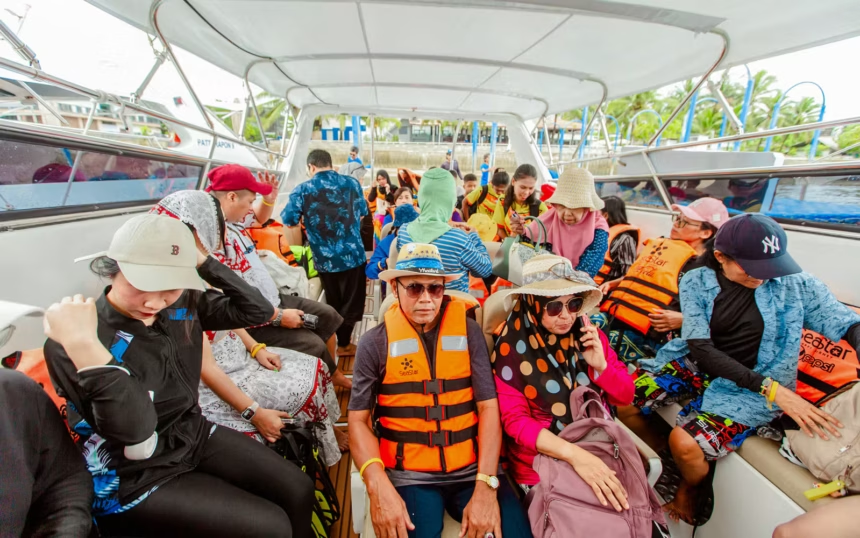
A life jacket only helps if it fits, stays fastened, and is within reach. Before leaving the beach, ask the crew for one for every passenger and check the fit before the boat departs. These are practical safety checks, not a statement of Thai legal requirements.
How to tell whether a life jacket fits
Choose a jacket sized for the person who will wear it. An adult jacket may not fit a child securely, so ask the crew for a suitable child-sized option. Then fasten every buckle or strap as directed and check that the jacket feels snug without restricting breathing or movement.
Give the jacket a gentle upward tug at the shoulders. If it rides up toward the wearer’s face, hangs loose, or slips out of place, ask for a different size or adjustment. Also look for visible damage, such as torn fabric, broken buckles, missing straps, or seams that have come apart. If you’re unsure how unfamiliar gear should be worn, ask a crew member to show you rather than guessing.
For children, have an adult check the fit and keep them under close supervision during boarding, the ride, and transfers. More ideas for keeping children safe on a Thailand trip can help you plan for family outings.
When to put it on and what to ask the crew
Put your life jacket on and fasten it before the boat leaves, following the crew’s instructions. Wearing it is especially sensible on open boats, when the sea is rough, and while transferring between boats. Don’t wait until conditions worsen to find yours.
Before departure, ask where spare jackets and other safety gear are stored, and make sure you can reach your jacket from your seat. Pay attention to the safety briefing, including how the crew wants passengers to respond if conditions change. If you can’t hear or understand an instruction, ask for it to be repeated.
A correctly fastened jacket should stay in place when you move, but passengers still need to follow crew directions and stay seated when asked. The Safe Boating Campaign’s life jacket guidance also emphasizes a snug fit and proper fastening. If the available jacket is damaged, doesn’t fit, or can’t be reached easily, tell the crew before departure and ask for a replacement.
How Thailand’s Monsoons and Sea Conditions Affect Boat Trips
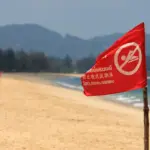
Thailand’s beach weather can look calm while conditions offshore are rougher. Wind and rain also vary between the two coasts, so a forecast for one island or province may not describe your boat route. Check current marine conditions near your departure point and along the route before boarding.
Why the Andaman Sea and Gulf of Thailand can differ
The Andaman coast and the Gulf of Thailand can have different wind, rain, and wave conditions on the same day. Phuket and Krabi face the Andaman Sea, while Ko Samui, Ko Phangan, and Ko Tao sit in the Gulf. A sunny forecast for one coast doesn’t mean the other is clear, and a calm beach doesn’t guarantee calm water offshore.
Seasonal patterns help with planning, but they aren’t a day-by-day safety forecast. The southwest monsoon, usually from around May through October, often brings wetter, windier conditions to the Andaman coast. The northeast monsoon, commonly affecting the Gulf later in the year, can bring rain and rough seas there. Timing and severity vary by year and location, so don’t assume a trip is safe or unsafe based on the season alone. For more context, see Thailand’s rainy season and sea conditions.
Before departure, check the Thai Meteorological Department’s latest Shipping Weather Forecast and warnings for your actual departure area and route. Also confirm the operator’s plan, since weather can differ between the pier, islands, and open-water crossing.
What wind, waves, and storm warnings mean for small boats
Strong wind can make a small boat harder to control, while high waves can make a crossing rough and increase the chance of spray or sudden movement. Thunderstorms may bring sharp gusts and heavy rain. Together, these conditions can delay a departure, change a route, or make a return crossing difficult.
Take official small-boat advisories seriously. The TMD issues warnings for specific sea areas and time periods, so check that a notice is current and applies to your route. For example, a dated TMD marine forecast instructed small boats in named areas to remain ashore. That notice has expired; use the latest forecast instead of relying on old alerts or screenshots.
There’s no single wave-height cutoff that makes every boat trip safe or unsafe. Vessel size and type, route exposure, wind, storms, and the operator’s judgment all matter. If conditions worsen or the crew changes the plan, follow their instructions and don’t pressure them to leave or return on schedule.
A Simple Safety Check to Make Before You Board
A brief check at the pier can clarify whether the trip still matches the plan and whether you feel comfortable boarding. These are sensible passenger checks, not a statement of legal requirements. Ask calmly, and give the crew time to explain any changes.
Questions to ask the boat operator
Before boarding, confirm the operator’s latest departure decision. Then ask about the route, timing, and return plan, especially if the forecast has changed since you booked. A responsible operator should be able to explain what happens if wind, waves, or storms worsen, including whether the trip may turn back or stop at a different location.
You can keep the conversation simple:
- “Are you still running the trip based on today’s sea conditions?”
- “Have the route, departure time, or return time changed?”
- “What will the crew do if the weather gets worse while we’re out?”
- “How should passengers get a crew member’s attention, and where is the safety equipment?”
Also check that each passenger can reach a life jacket that fits, and ask the crew to show you how to fasten it if needed. Thailand’s tourism authority advises boat passengers to use life jackets and follow warnings in its marine safety guidance. For weather-related delays or cancellations, review these Thailand boat travel planning tips.
Warning signs that should make you pause
Take a moment to look around before stepping aboard. Life jackets should be accessible, passengers should have secure places to sit, and exits or walkways shouldn’t be blocked. A crowded boat with little room to move deserves a closer look, especially if the crew can’t explain how they’re managing passenger space.
Pause if there’s no safety briefing, no clear answer about what happens in bad weather, or no practical way to contact the crew. The same applies if staff dismiss serious official warnings or pressure you to board without addressing a reasonable concern. You can step back and seek a safer option; you don’t have to board simply because the trip is paid for.
Keep children within arm’s reach during boarding and transfers, and follow crew directions when stepping between vessels. If anything feels unclear, ask before you move.
What to Do if Weather Turns Rough During the Trip
Conditions can change quickly offshore, and passengers may feel uneasy when the boat starts pitching or the crew changes plans. Stay calm, keep your life jacket fastened, and let the operator and crew manage the response.
Stay calm and follow the crew’s instructions
When the crew asks passengers to sit, stay seated and keep your weight low. Hold a stable support only where the crew permits, since grabbing the wrong rail or moving at the wrong moment can create another hazard. Follow directions promptly, even if the boat’s movement makes them hard to hear. Ask a crew member to repeat an instruction if you don’t understand it.
Avoid shouting, standing, or moving toward the edge to get a better view. Sudden movement can throw you off balance, while crowding the crew can make it harder for them to respond. Keep children close and supervised, and don’t move to another part of the boat or change boats unless the crew directs you to do so.
Tell a crew member right away if someone is injured, feels unwell, or doesn’t have a life jacket on. The operator and crew decide whether to change the route, seek shelter, or return to shore. Don’t pressure them to continue or make your own way between vessels.
Save useful emergency contacts before you travel
Save emergency numbers in your phone before departure, and write them down or keep them available offline in case your phone loses signal or power. Thailand’s Tourist Police hotline, 1155, provides assistance and translation. For emergency medical help, call 1669. These are general contacts, not dedicated marine rescue numbers. Check the Tourist Police’s official contact information before your trip, since contact details can change.
Also ask the operator for a direct number or another way to reach the crew if your group gets separated. Confirm how to contact them before boarding, when you still have a reliable signal. For a broader reference, see these emergency contacts for tourists in Thailand.
If you call for help, give your location as clearly as you can and describe what happened. Share the boat’s name or operator details if you know them, then follow the instructions you receive.
Frequently Asked Questions
A few practical details can help you make a safer decision before you board. Use these answers alongside the crew’s instructions and the latest forecast for your route.
Are life jackets required on every passenger boat in Thailand?
A current nationwide rule covering every passenger boat and every passenger isn’t confirmed here. Requirements may depend on the vessel, so ask the operator what applies to your trip. Whatever the rules, check that a suitable jacket is available for each passenger and that you can reach it easily.
Should I wear a life jacket if I can swim?
Yes, when the crew asks you to or conditions make one appropriate. Swimming ability doesn’t protect you from waves, fatigue, injury, or an unexpected fall into the water. Follow the crew’s instructions, and wear your jacket when conditions or the operator call for it.
Where can I check the marine forecast before a trip?
Check the Thai Meteorological Department’s Shipping Weather Forecast and any official warnings close to departure. Match the forecast to your route and coast, since conditions around the Andaman Sea may differ from those in the Gulf of Thailand. For seasonal context when planning a November trip, see November sea conditions on Thailand’s coasts.
Can a boat trip go ahead when it is raining?
Rain alone doesn’t show whether a trip is safe. Wind, waves, thunderstorms, visibility, the route, and the vessel all affect conditions, so ask the operator what they’re seeing and whether the plan has changed. Take official warnings seriously, even if the weather looks manageable from shore.
What should I do if the operator cancels because of weather?
Accept the cancellation and ask the operator about rebooking or refund terms. Don’t pressure the crew to depart, and don’t assume calm conditions at a nearby beach mean the route offshore is safe. If you rebook, check the forecast again close to the new departure time.
Conclusion
A safe beach boat trip in Thailand starts with a decision made before you leave shore. Check the forecast for your actual coast and route, then confirm with the operator that the trip is still going ahead as planned. The Thai Meteorological Department’s Shipping Weather Forecast provides marine conditions and advisories; check the latest update rather than relying on an old screenshot or a general beach forecast.
Before boarding, make sure each passenger can reach a life jacket that fits, and put yours on as the crew directs. Listen to the safety briefing, learn how to get the crew’s attention, and keep children close during boarding and transfers. These simple steps help you respond promptly if the route or conditions change.
If the operator alters the plan, ask what has changed and follow the crew’s instructions. You can also pause and reconsider if a jacket is missing or damaged, the boat feels overcrowded, or staff cannot explain how they’ll respond to worsening weather. A paid booking or a calm shoreline isn’t a reason to ignore a concern.
Changing or canceling a trip when conditions are poor is a sensible safety choice. You can rebook when the forecast improves, but you can’t make rough seas safer by rushing to depart. Check the route-specific forecast, confirm that suitable life jackets are accessible, and listen to the crew before and during the ride.