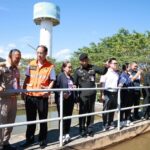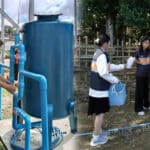

CHIANG RAI – Restaurants across Chiang Rai have installed two-stage water filtration systems and adopted commercial produce washes to protect diners from heavy metal contamination ahead of Thailand’s peak tourist season. The Chiang Rai Restaurant Association announced the upgrades this week as businesses work to calm public anxiety over arsenic detected in northern rivers.
Association President Nipaporn Wisuthipaet urged local operators to openly display their kitchen safety upgrades to reassure hesitant travelers and residents. The push comes days after murky, contaminated water forced temporary tap water cuts in border districts, threatening a vital tourism recovery just as cool-season visitors begin arriving in the province.
Key Takeaways
- Chiang Rai restaurants now use two-stage filtration for all drinking, cooking and dishwashing water.
- Kitchens soak raw vegetables and fruits in specialized produce washes to strip away surface residues.
- Industry leaders urge diners to check for visible filtration setups and bottled water seals when eating out.
Upstream Mining Drives Regional Water Crisis
The kitchen upgrades respond directly to a cross-border environmental emergency. Earlier this month, raw water tests in the Sai River recorded arsenic levels 30 times above Thai surface water safety limits. The spike overwhelmed municipal treatment filters in Mae Sai district, forcing the Provincial Waterworks Authority to briefly suspend tap water distribution while crews flushed local pipelines.
Thai environmental officials trace the pollution upstream to unregulated gold and mineral mining across the border in Myanmar’s Shan State. Heavy rains washed sediment laden with heavy metals into the Kok and Sai rivers, two major waterways that irrigate Chiang Rai farmland and feed municipal reservoirs. Although municipal plants restored treated tap water after emergency adjustments, news of toxic river sediment quickly spread on social media and triggered fresh cancellations at riverside eateries.
Upgrading Restaurants Ahead of Peak Season
For Chiang Rai’s hospitality sector, timing matters. November marks the start of the cool, dry high season, when domestic and international tourists flock to the north for mountain trekking, temple visits and northern Thai food. Many restaurant owners still face steep debt from severe regional flooding in previous years and cannot afford a prolonged dining slump.
To protect customers and keep dining rooms full, member restaurants invested in multi-barrier water treatment. Standard municipal tap water in participating kitchens now passes through a two-stage filtration process—combining sediment traps with activated carbon or reverse-osmosis membranes—before touching a cooking pot, ice machine or drinking glass. Kitchen staff also wash leafy greens, herbs and fresh produce in food-grade cleansing solutions rather than relying on plain tap rinses.
Nipaporn said quiet compliance is no longer enough to win back nervous diners. She called on restaurant owners to post clear notices at entrances, share photos of their filtration units online and train servers to answer water safety questions directly.
What Diners Should Look For When Eating Out
Public health officials note that boiling water kills bacteria but does not remove dissolved heavy metals like arsenic. That reality makes physical filtration and verified water sourcing essential for restaurants and travelers alike.
When dining out in Chiang Rai, visitors can take three quick steps to verify food and water safety. First, check for factory-sealed bottled water or ask staff whether drinking water and ice come from reverse-osmosis or multi-stage filtered systems. Second, look for signage from the Chiang Rai Restaurant Association or local public health offices confirming recent kitchen inspections. Third, choose established eateries that source vegetables from certified highland farms rather than farms drawing untreated water from the Sai River.
Meanwhile, Thai authorities are working on long-term infrastructure fixes, including a project to divert cleaner water from the Mekong River to northern districts and diplomatic talks with Myanmar and China over cross-border mining oversight. Until upstream rivers run clear, Chiang Rai’s restaurants are betting that transparent kitchen standards will keep both locals and tourists at the table.
Trending News:
Chiang Rai Water Security Moves Beyond Emergency Supplies
Chiang Rai Officials Race to Replace Tainted Border Water