
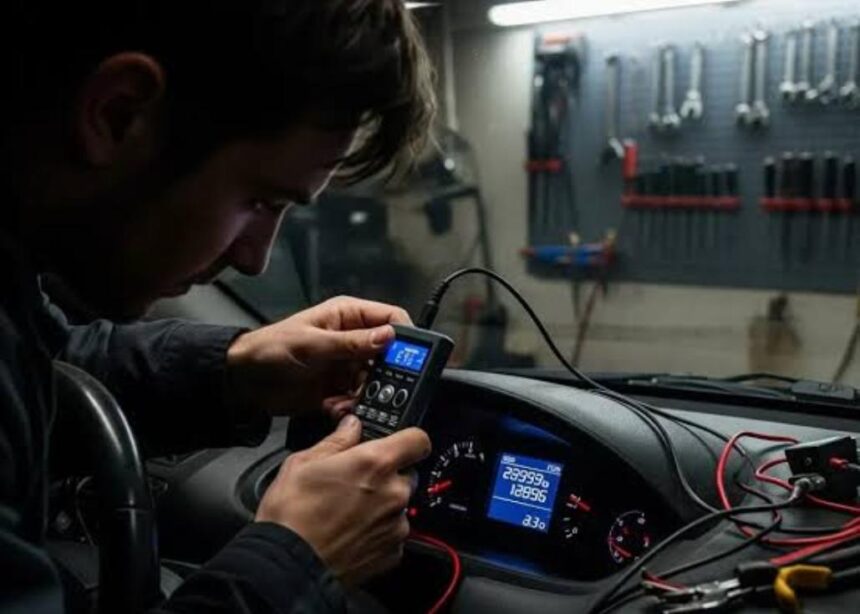
A used car odometer showing fewer kilometers may look like a better deal, but an altered reading can hide wear, future repair costs, or a misleading sales claim. In Thailand, don’t judge a car’s history by the dashboard alone.
Compare the mileage with dated service records and paperwork, check that the documents match the car, and arrange an independent inspection before paying. If the numbers don’t add up, preserve the evidence and take the next steps carefully.
Start by learning what odometer fraud can look like and which warning signs deserve a closer check.
Key Takeaways
- A dashboard reading alone can’t confirm a car’s mileage; compare it with dated records and signs of wear.
- Check service invoices, inspection documents, and dealer paperwork, and make sure the vehicle details match.
- Arrange an independent inspection before paying, using these used-car buying checks in Thailand as a guide.
- Save the listing, seller messages, contract, payment proof, and dated odometer photos; get the mileage claim in writing.
- If records conflict or the seller refuses checks, pause the purchase and consult the OCPB’s consumer complaint channels.
How used car odometer fraud in Thailand works, and what it can look like
Odometer rollback means changing a car’s displayed mileage to make it look less used than it is. A seller may alter a mechanical odometer, change the data stored in a digital display, or replace the instrument cluster without clearly documenting the car’s previous mileage. A claim of low mileage can also mislead when the seller has no records to support it, even if there’s no clear evidence of tampering.
A low reading alone doesn’t prove fraud. Clusters sometimes need replacement or repair, and a legitimate repair should come with an explanation and paperwork. Because a dashboard reading can’t show the car’s full history, compare it with dated records and the vehicle’s condition.
Warning signs that deserve a closer look
Check the odometer against service invoices, maintenance stickers, inspection papers, and dealer records. If an older document shows more kilometers than the dashboard does now, ask the seller to explain the difference and provide supporting paperwork. Inconsistent dates or large, unexplained gaps in the service history also deserve attention.
Wear can offer another clue. Heavily worn pedals, a flattened driver’s seat, a smooth steering wheel, or faded controls may seem inconsistent with a very low reading. However, wear varies with the driver, use, and replacement parts, so condition is a clue, not proof of rollback.
Ask whether the instrument cluster has been replaced or repaired, and request a receipt or service record if it has. Then arrange an independent inspection. If the seller won’t explain missing records or allow a mechanic to inspect the car, pause the purchase. These pre-purchase inspection checks for used cars in Thailand can help you assess the vehicle beyond its displayed mileage.
Why a low reading can affect more than the price
Mileage can influence a car’s asking price and resale value, but it also helps buyers estimate wear and plan maintenance. If the true distance traveled is higher than shown, parts may need attention sooner than you expect. A purchase based on an unsupported mileage claim can therefore leave you with unexpected repair costs and a vehicle that may be harder to resell at the expected price.
Thailand’s Department of Land Transport checks vehicles as part of ownership-transfer procedures, but don’t treat a routine transfer inspection as verification of lifetime mileage. The process includes a physical vehicle inspection, as described in this guide to car ownership transfers. Mileage fraud can also be difficult to prove without older records. Keep copies of documents and ask for the seller’s mileage claim to be recorded in the sale agreement.
Check the car’s mileage and history before you pay
Treat the odometer reading as one detail to verify, not a complete history. Before paying, trace the records backward, confirm the paperwork belongs to the car, and get an independent mechanic’s assessment. Records may be incomplete, and no single check proves the displayed mileage is genuine.
Compare the odometer with older service and inspection records
Ask for dated service invoices, oil-change records, inspection documents, maintenance stickers, and dealer paperwork. Write each mileage reading beside its date, then arrange the entries from oldest to newest. A record showing more kilometers than the car’s current odometer needs a clear explanation and supporting documents.
Look for gaps, too. Missing paperwork does not prove fraud, but it makes the seller’s mileage claim harder to verify. Ask the manufacturer’s or dealer’s service center whether it can confirm service entries for the car. Access and record coverage vary, so a center may not have every visit, especially if the car was serviced elsewhere.
Match the documents to the car in front of you
Compare the vehicle identification number (VIN), registration book, license plate, make, model, and year with the car and the sale documents. In Thailand, check the chassis number on the vehicle against the registration book, and confirm that the seller’s details match the person authorized to sell it. A used-car purchase and transfer guide for Thailand can help you prepare for the paperwork and DLT transfer process.
Ask whether the dashboard or instrument cluster has been repaired or replaced, and whether the car has changed owners. Request paperwork for any cluster work, along with an explanation of how the mileage was recorded before and after the repair. Registration and transfer checks help confirm the car’s identity and documents; they do not certify its lifetime mileage.
Arrange an independent inspection and ask direct questions
Choose a mechanic yourself rather than relying only on someone recommended by the seller. Ask the mechanic to assess wear, maintenance needs, warning lights, and whether a diagnostic scan could provide useful information. However, an electronic scan may not reveal every past mileage change. A physical inspection can also uncover other concerns, such as signs of flood damage, covered in these used-car inspection tips for Thailand.
Before the inspection, ask the seller:
- Can you provide the car’s service history and explain any gaps?
- Has the odometer or instrument cluster ever been repaired or replaced?
- Has the car been in an accident, and may I contact its previous service providers?
If the seller won’t answer, share records, or allow an independent inspection, pause the purchase until you can verify the car’s history.
Protect yourself in the sale and know what Thai rules can do
Before you pay, turn the seller’s mileage claim into a clear written record. Keep the car’s paperwork and the seller’s identity in view, and don’t assume a low dashboard reading or a consumer-protection rule settles the question by itself.
Put the mileage claim and promises in writing
Save the advertisement and messages, then take a dated photo of the odometer at handover. Ask the seller to write the displayed mileage in the sale agreement and disclose any known odometer alteration or instrument-cluster replacement.
The agreement should also identify the vehicle, sale price, seller, and payment terms. Keep a copy of the signed agreement and receipts or other proof of payment. These records can help show what the seller represented and what you paid, but they don’t guarantee a successful complaint or claim. The strength of a case depends on the evidence and the circumstances.
Review the used-car label, contract, and seller carefully
Thai consumer-protection rules include requirements for information on used-car sales, including labeling in applicable transactions. However, the exact requirements and whether they cover a particular seller or sale can depend on the current rules and transaction. Check the official text of Thailand’s Consumer Protection Act and confirm current requirements with the Office of the Consumer Protection Board or a qualified local adviser.
Where a label is provided, compare its mileage and vehicle details with the contract, the car, and the registration book. Check the seller’s name against the sale and transfer paperwork as well. These Thai vehicle registration and transfer requirements can help you review the documents involved. If the label is missing, incomplete, or conflicts with another record, pause and ask for a written explanation before proceeding.
Don’t let a bargain or deadline rush your decision
Walk away if the seller blocks an independent inspection, refuses to document the mileage claim, or demands payment before you finish your checks. A short deadline is no reason to accept unresolved questions about the car’s history.
Instead, compare similar cars by condition and verifiable service records, not just the kilometer figure. If the seller’s written claim later appears false, preserve the listing, contract, messages, payment proof, and dated odometer photo. Thai consumer-protection rules may provide routes to raise a complaint, but they don’t automatically prove fraud or guarantee compensation.
What to do if you discover possible odometer fraud after buying
A mileage discrepancy after purchase can be upsetting, but a careful record of what happened will help you explain the problem. Preserve the evidence first, then contact the seller in writing and ask the appropriate Thai consumer-protection office or a qualified lawyer about your options.
Save evidence before records disappear
Keep the original documents and make copies. Save the car advertisement, sale contract, payment receipts or bank records, and every message exchanged with the seller. Also keep dated photos taken at handover, including a clear picture of the current odometer reading.
Gather any service invoices, inspection documents, maintenance records, or other paperwork that shows an earlier mileage. If an older record lists more kilometers than the current reading, ask a service center or mechanic to review the discrepancy and provide dated findings in writing. A written assessment can help explain what the records show, though it does not by itself prove who changed the odometer or when.
Store digital copies somewhere secure and keep a simple timeline of the purchase, mileage statements, and conflicting records. Don’t alter or discard documents, even if they contain errors.
Contact the seller and make a clear written complaint
Send a calm, factual message that identifies the car and states the mileage represented at sale. Then describe the conflicting record or inspection finding, attach copies where appropriate, and explain what remedy you’re requesting. Be clear about dates and avoid claims you can’t support.
Keep the conversation polite and save every reply. Written communication creates a record of your attempt to resolve the dispute. Avoid public accusations while the facts are still being checked, and don’t hand over original documents or sign a settlement you don’t understand.
Ask the OCPB or a qualified lawyer about next steps
You can ask Thailand’s Office of the Consumer Protection Board (OCPB) about filing a complaint through its online complaint portal, the OCPB Connect app, hotline 1166, or Line @ocpbconnect. The OCPB Connect service page lists official consumer services. Check the OCPB’s current instructions and submission requirements before filing, since channels and procedures can change. For an overview of other options, see this guide to reporting fraud in Thailand.
Prepare identification, the sale contract, payment evidence, seller details, the advertisement, your correspondence, and records showing the mileage discrepancy. If the evidence suggests deliberate deception or the financial loss is substantial, consult a qualified Thai lawyer about possible consumer, civil, or police-report options and any deadlines. A complaint or report does not guarantee compensation or a particular outcome.
Frequently Asked Questions
A used car’s mileage is easiest to assess when several clues agree. These answers cover what checks can establish, how to handle conflicting information, and where to ask for help.
Can a Department of Land Transport inspection confirm a car’s true mileage?
No. A routine transfer inspection should not be treated as proof of the car’s lifetime mileage or as confirmation that its odometer has never been changed. Compare independent historical records, such as dated service invoices and inspection documents, then arrange an appropriate pre-purchase inspection.
Can a mechanic or diagnostic scan detect odometer rollback?
A mechanic may spot clues in the car’s wear, service records, or data stored in some vehicle systems. However, the available information varies by make, model, and repair history, and not every vehicle stores mileage in multiple places. A clean scan can’t prove the odometer has never been altered, so compare records and physical condition as well.
Is a low-mileage reading proof that the seller committed fraud?
No. A low reading by itself doesn’t establish that the seller changed the odometer or knowingly misrepresented the car. Look for contradictions, such as an older document showing higher mileage, and establish exactly what the seller stated in the listing, messages, or contract. Keep reliable copies of those records before making a complaint or claim.
What if the seller says the odometer or dashboard was replaced?
Ask for the repair date, the reason for the replacement, and an invoice or service record. Request the mileage recorded before and after the work, then check whether those details match the car’s service history and the written sale terms. If the seller has no paperwork, treat the explanation as unverified and weigh that against the other evidence.
Where can a buyer in Thailand file a consumer complaint?
The Office of the Consumer Protection Board (OCPB) accepts complaints through its official complaint channels, including hotline 1166 and its online portal at complaint.ocpb.go.th. Verify filing instructions and required documents directly with the OCPB before submitting. The right route depends on the facts, so consider Thai legal advice for a serious dispute. Keep dated photos and paperwork together; these tips for documenting a vehicle’s odometer and condition can help you capture a clear record.