BANGKOK — Thailand’s Transport Ministry ordered the Department of Land Transport on Monday to build a national mileage recording system aimed at stopping odometer rollbacks in the second-hand car market.
Deputy Transport Minister Siripong Angkasakulkiat issued the directive after meeting with the Used Car Association in Bangkok. Officials have not announced a launch date, yet the policy promises major protection for local and foreign buyers who frequently lose money on cars with altered dashboard readings.
Key Takeaways• Centralized Tracking: The Department of Land Transport will log cumulative vehicle mileage directly into national registration records before second-hand sales occur. • No Fixed Timeline: Transport officials ordered an urgent rollout plan on Nov. 16, 2026, though no official enforcement start date is set. • Buyer Verification: Foreign and Thai shoppers can currently protect themselves by cross-checking dealer service stamps, blue registration books, and physical pedal wear. |
How the Proposed Mileage System Works
Under the plan, transport regulators will establish a standardized method to log a car’s cumulative distance before ownership changes hands. Dealers and private sellers will record the odometer reading inside the official vehicle registration database, creating a permanent digital paper trail.
Siripong instructed transport officials to finalize the technical rules quickly alongside industry representatives led by Used Car Association President Wisut Hemphanphairoj. Once active, prospective buyers will be able to trace past mileage entries backward through state records rather than trusting a dashboard display alone.
Regulators have not yet published an exact launch date or fee schedule. Until the database goes live, buyers still complete ownership transfers under existing Department of Land Transport registration rules, which require submitting a passport, valid visa, and immigration residence certificate within 15 days of purchase.
Why Odometer Fraud Persists in Thailand
Digital dashboards made odometer tampering cheap and fast across Thailand’s secondary auto market. Unscrupulous traders use handheld diagnostic tools to shave 100,000 kilometers off former fleet sedans or commercial pickups in minutes, inflating resale prices by tens of thousands of baht.
Foreign residents face steep disadvantages when navigating these sales. Language barriers often keep expatriate buyers from reading Thai-language maintenance logs or questioning informal roadside lots. At the same time, Thai banks rarely approve auto loans for non-citizens without local credit histories, forcing most foreigners to pay cash up front and absorb the entire financial loss if hidden mechanical wear surfaces later.
Past enforcement relied largely on post-sale civil complaints rather than preventive state tracking. Although altering an odometer violates Thai consumer protection statutes and allows buyers to cancel fraudulent contracts, proving when tampering occurred has historically required costly technical inspections.
What Buyers Should Inspect Before Paying
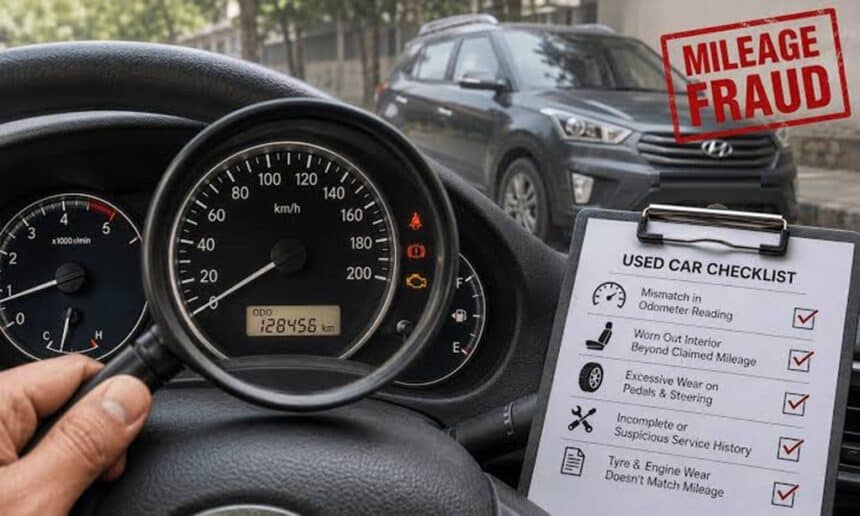
Shoppers do not need to wait for the new state registry to spot a rolled-back vehicle. Automotive specialists at Motorist Thailand advise buyers to demand the original manufacturer service booklet and call the brand’s authorized service center directly with the chassis number. Dealership computer systems routinely store timestamped mileage entries from routine oil changes and warranty visits.
Inspect the physical cabin alongside the paperwork. A car showing fewer than 80,000 kilometers should not have slick, worn-down brake pedal rubber, sagging driver seat bolsters, or faded steering wheel buttons. Buyers should also examine the blue registration book for rapid ownership turnover and check under floor carpets for rust or silt left by seasonal flooding.
If a seller refuses to share service records or allows an independent mechanic to scan the engine control module, walk away. Authentic mileage leaves consistent clues across both paper receipts and steel.