
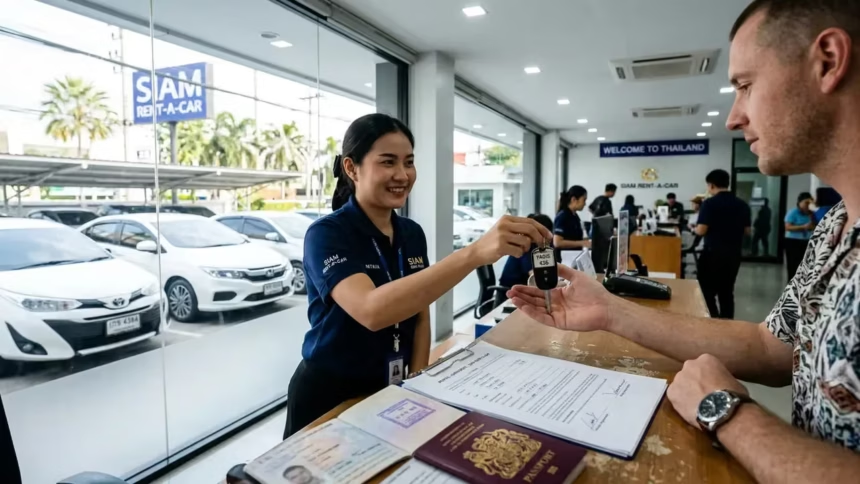
Renting a car in Thailand can give you the freedom to explore beyond the cities and travel at your own pace. But local driving rules, paperwork, insurance terms, and road conditions can surprise first-time visitors.
Before you book, make sure you know which documents you’ll need, how to compare the full rental cost, and what the coverage means if the car is damaged. You’ll also want to decide whether driving fits your route and comfort level. Start with the essentials for renting a car in Thailand.
Key Takeaways
- Carry your valid home-country driver’s license and a valid International Driving Permit. Thailand accepts qualifying permits under the 1949 Geneva Convention, as explained in its official driving guidance.
- Thailand drives on the left, so review key driving rules for visitors before you set off.
- Rental age limits, under-25 surcharges, deposits, and payment methods vary by company. Check the specific terms before booking.
- Compare the full cost, including insurance excess, fuel return rules, toll charges, and any optional protection. Confirm what the policy excludes.
- Before signing, make sure the named driver, license class, and insurance coverage match. Get written approval before taking the car across a border.
What to Know Before Renting a Car in Thailand
Rental requirements depend on your license, the car you choose, and the company handling the booking. Before you pay, check that you can legally drive in Thailand and meet the supplier’s pickup and driver rules.
Bring the right license and rental documents
Bring your valid original home-country driver’s license and a valid International Driving Permit (IDP). Check that the permit is recognized for your license and nationality, since legal requirements can vary. Thailand’s government lists accepted foreign driving documents in its guidance for foreign drivers. An IDP translates or supports your license; it does not replace the original, so keep both with you.
Rental companies may also ask for your passport and a credit card in the primary renter’s name. These are common pickup requirements, but the exact documents and payment conditions differ by provider. Review your booking terms before you travel, and confirm directly with the rental desk if anything is unclear. For more on the paperwork, see this guide to Thailand rental car and scooter license requirements.
Check the age, experience, and driver rules
Minimum age and driving experience requirements vary by company and vehicle. Some providers set a higher age limit for certain models, require drivers to have held a license for a minimum period, or charge an additional fee for younger renters. Don’t assume one company’s terms apply to another.
Before paying, check the rules for the specific car on your booking, including any young-driver surcharge and who can serve as the primary renter. Ask how the company handles additional drivers, since they may need to meet the same age and experience requirements and show their own documents.
Finally, make sure every person who plans to drive is listed on the rental agreement. A friend or partner who drives without being named may not have the rental company’s authorization or insurance coverage. Confirm driver eligibility and any added fees before pickup, then check that all approved drivers appear on the contract before leaving the lot.
Compare rental prices, car types, and pickup terms
A low advertised daily rate can hide charges that change the total. Compare the complete quote, the vehicle you need, and the pickup agreement before you book.
Look beyond the daily rate
Check whether the quote includes taxes and basic coverage, then look for charges that may apply to your trip. Optional protection, an additional driver, a child seat, airport pickup, limited mileage, and late returns can all affect the final bill. These fees and rules vary by provider, so compare offers with the same rental dates, pickup location, vehicle class, and coverage level.
Also review the cancellation terms before paying. For example, Avis Thailand’s rental terms note that expenses such as fuel, tolls, damage, and extra rental days may be charged separately. If you’re collecting a car at Chiang Rai Airport, check the Chiang Rai Airport car rental guide for local pickup considerations.
Choose a vehicle that fits your route
A compact car is often easier to park and maneuver on city streets. For a longer trip or bulky luggage, a larger car may offer more room, though it can cost more to rent and fuel. An automatic transmission can make driving simpler if you aren’t used to shifting with a manual.
An SUV may provide extra space or ground clearance, but it doesn’t make winding roads or heavy traffic safe by itself. Adjust your speed to the conditions and choose a vehicle you feel comfortable handling. Before booking, confirm the rental’s vehicle class and check that your license and insurance terms cover it. If you plan a mountain drive, review the route and road conditions, such as those covered in this guide to driving from Chiang Rai to Nan.
Confirm the deposit, payment, and fuel policy
Deposit amounts and accepted payment methods differ by rental company. Check the exact amount, whether the provider requires a credit card in the renter’s name, and how long a card hold may remain after you return the car. A released hold can take time to appear on your account, depending on the provider and card issuer.
Before signing, confirm the fuel return rule, how tolls are billed, and whether the agreement lists extra charges for after-hours pickup or return. Toll handling varies, so check the route and the company’s process for paying or billing charges. This Thailand toll payment guide for rental cars explains what to ask. Get any unclear terms confirmed in writing before you drive away.
Understand insurance before you sign the rental agreement
Rental insurance can reduce your financial risk, but the phrase “insurance included” doesn’t tell you what you’ll pay after damage. Before accepting the keys, check the written terms for covered losses, your share of a claim, and any conditions that could void protection.
Ask what the included coverage actually protects
Request the insurance details in writing, including what happens after a collision, theft, or damage to the rental car. Also ask whether the policy covers damage to other vehicles or property, and whether roadside assistance is included. Coverage varies by rental company and plan. For example, Budget Thailand’s published protection terms set excess amounts by vehicle category.
Having coverage doesn’t mean you won’t owe anything. You may still pay an excess, fees, or costs for damage the policy excludes. The rental agreement and its linked insurance terms set the rules that apply to your booking, so read those documents rather than relying on a verbal summary or a general description on a booking page.
Check the excess and exclusions
The excess is the amount you may have to pay toward covered damage or theft. Confirm the amount for your specific car, whether it applies per incident, and whether separate excesses apply to damage and theft. A deposit or card hold is not automatically the same as your excess. Ask how much the company will hold and when it releases the balance after return.
Next, review the exclusions and ask how they affect your cover. Depending on the policy, protection may not apply if an unauthorized driver takes the wheel, you cross a border without approval, or you drive a vehicle class your license doesn’t cover. Don’t assume every policy uses the same exclusions. Optional protection may reduce your liability, but read its limits too. Europcar Thailand’s cover details, for example, describe a product that can reduce the damage liability fee to zero while listing circumstances where cover may not apply.
Document the car before driving away
At pickup, take clear photos or a slow video of the exterior, wheels, glass, and interior. Capture the fuel level and odometer as well. Ask staff to record every existing scratch, dent, or other issue on the vehicle condition form, then keep a copy with your rental agreement and inspection notes.
Repeat the photos and video when you return the car, ideally before handing over the keys. That record can help resolve a dispute about when damage occurred or whether the fuel and mileage matched the agreed return terms.
Get ready for Thailand’s roads and driving rules
Driving in Thailand can make day trips and regional travel easier, but the road environment may feel different from home. Give yourself time to adjust, plan around traffic and weather, and confirm the rental terms before setting out.
Adjust to driving on the left
Traffic in Thailand keeps to the left. If you’re used to driving on the right, turns, roundabouts, and lane changes may take extra concentration until they feel familiar. The Department of Land Transport’s driving guidance for Thailand advises drivers to use caution when changing lanes and overtake only when it’s safe.
Before joining a busy road, take a few minutes in a quiet area to get comfortable with the car’s controls and left-side positioning. Then check your mirrors and blind spots carefully, especially before turning or changing lanes. If you feel tense, pause somewhere safe rather than trying to keep pace with traffic.
Plan for traffic, weather, and unfamiliar roads
City traffic can be busy, and motorbikes may approach alongside cars or appear in areas you don’t expect. Rain can reduce visibility and make it harder to judge road conditions, so leave more space and slow down when needed. Conditions can also change between urban streets and rural routes. For more context, review these road safety considerations for visitors in Thailand.
Allow extra time for the drive instead of relying on a tight schedule. A navigation app can help you follow your route, but don’t check it while moving. Pull into a safe parking area before reviewing directions or changing your destination. If a road or turn feels confusing, continue to a safe place to stop rather than making a sudden maneuver.
Check tolls, fuel, and cross-border limits
Toll payment methods depend on the route and the rental company’s process. Fuel return rules also vary, so ask the provider how tolls are handled and whether you need to return the car with a particular fuel level. Check these details before leaving the pickup location, and keep the rental agreement handy during your trip.
Don’t assume a rental car can cross an international border. Before taking it outside Thailand, get the company’s approval in writing and confirm which documents and insurance cover you need. If the provider doesn’t authorize the trip, keep the car within Thailand.
Decide Whether a Rental Car Suits Your Thailand Itinerary
A rental car can make regional stops easier, especially when attractions sit far from regular transit routes. In cities, though, traffic, parking, and other transport options can make driving slower or more expensive. Compare the full journey before booking, not just the time behind the wheel.
Match the car to the places you plan to visit
A car gives you more flexibility for rural stops and day trips with several destinations. You can leave when you’re ready, make an unscheduled stop, and avoid arranging a separate ride for each leg. That freedom is most useful when your itinerary includes places beyond town centers.
For city journeys, rail, buses, taxis, or ride-hailing may be simpler. A short drive can take longer once you account for congestion and finding parking, while fares for a couple of rides may cost less than a rental, fuel, and parking combined. Compare door-to-door travel time, parking, and total cost for the places you actually plan to visit.
Use Chiang Rai’s Monkey Temple as a driving example
Chiang Rai’s “Monkey Temple” is Wat Tham Pla, also called Fish Cave Temple or Monkey Cave. It lies north of Chiang Rai on the route toward Mae Sai, making it a practical stop if you’re already exploring the area by car. The temple is on the Highway 1 corridor; follow the signs to its turnoff as you head north.
Visitors report parking near the grounds, but access details can change. Check your navigation route and current visitor information before setting out, especially if you’re planning a tight schedule. For nearby stops and route ideas, see this guide to Chiang Rai temple routes toward Mae Sai, and review Tham Pla cave location details before you go.
Know when another transport option is easier
A rental may add more stress than convenience if you’re unfamiliar with left-side driving, expect heavy city congestion, or have only a short stay. Limited parking can also make a car inconvenient when most of your plans are within a compact area. In Chiang Rai, compare the drive and parking against getting around without a car.
You don’t need to keep a rental for your entire trip. Rent only for the days when it helps you reach rural sights or manage a multi-stop route. For other days, ask whether your hotel offers transport or whether hiring a local driver fits your plans better.
Frequently Asked Questions
A few details can still affect your plans after you’ve compared rental terms and checked your route. Confirm the rules for your specific booking before pickup, since rental policies can differ.
Can I rent a car in Thailand with a US driver’s license?
A valid US license may not meet every rental company’s document requirements, even when it can be legally recognized with the right supporting permit. Carry your original license and a valid IDP, and check Thailand’s guidance for foreign drivers for accepted documents. Before booking, confirm with the rental company which documents it requires at pickup; this guide to using an IDP with your home-country license explains the permit’s role.
Is it safe for tourists to drive in Thailand?
Some visitors drive successfully, but that doesn’t mean driving suits every traveler. Left-side traffic, busy roads, and unfamiliar conditions can demand more attention than you’re used to. Consider your driving experience and comfort, then choose a route and transportation option that feel manageable.
Do rental cars in Thailand have automatic transmission?
Both automatic and manual cars may be available, but options depend on the location, provider, and what’s available for your dates. If you need an automatic, book it in advance and confirm the transmission type on the rental agreement before you leave the pickup location.
Can I drive a Thai rental car into another country?
Don’t assume cross-border travel is allowed, even if your route appears straightforward. Get written approval from the rental provider before booking or setting out, then confirm the required insurance and travel documents for every country on your route. If the provider won’t approve the trip, keep the car in Thailand.
What should I do if the rental car breaks down?
Move the car to a safe place if you can, then contact roadside assistance using the number in your rental agreement. Avoid arranging major repairs before the rental company approves them, since the company may need to direct the repair or recovery. Save its emergency number in your phone before you start driving.