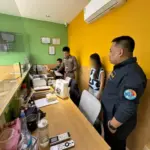

Arriving at your hotel in Thailand only to hear that staff can’t find your reservation is stressful, especially after a long trip. You can still take clear steps to find out what happened, protect your payment, and arrange a place to stay.
Start by asking the hotel to search again, then contact your booking platform while you’re there. Keep the confirmation, written replies, and receipts; if you need assistance, Tourist Police Hotline 1155 is available 24/7. Here’s what to do first.
Key Takeaways
- Ask hotel staff to search by reservation number, guest name, stay dates, room type, and booking platform before treating the reservation as missing.
- Contact the booking platform while you’re at the property, and request a case number plus written confirmation of its proposed solution.
- Save your confirmation, payment records, hotel messages, and receipts for any replacement room or transport.
- Check which company charged your card. If the paid stay wasn’t provided, ask your card issuer about its dispute process and deadline.
- For tourist assistance, call Thailand’s Tourist Police at 1155, available 24/7. They can assist with communication, but don’t decide refund claims. Find more Thailand emergency contacts for tourists.
What to Do When a Hotel in Thailand Loses Your Booking
Stay at the front desk while staff checks the reservation. Keep your confirmation and payment details ready, and take the steps below in order. These are practical ways to document the problem and seek help, not a guaranteed legal process or promise of a particular outcome.
Ask staff to search more than once
Show the confirmation on your phone or as a printout, then ask staff to search using the reservation number and lead guest’s name. Also provide your arrival and departure dates, room type, and the booking channel, such as the website or app where you made the reservation.
If the first search comes up empty, politely ask the staff member to check for spelling differences, including alternate spacing or name order. A reservation may also appear under another guest’s name, or staff may have marked it as a late arrival. If possible, ask them to check with the reservations team or a manager, not only the front-desk system.
Keep your tone calm and firm. You can say, “Could you please check these details and confirm whether the hotel can honor the booking?” Avoid handing over your phone unlocked or leaving your passport at the desk. If staff still cannot find it, ask them to explain what they checked.
Ask for a written answer and a safe place to wait
Request a written message confirming whether the hotel will honor the reservation or has no record of it. If staff says it cannot provide the booked room, ask for that response in a message or email, along with any offer of a replacement room or refund. Save screenshots and note the time and the names of staff you spoke with.
Meanwhile, if you need time to contact support, ask to wait in a staffed, well-lit area of the property. Keep your bags and documents with you, and move to a public place nearby if you feel unsafe or the conversation becomes hostile. Thailand’s Tourist Police hotline, 1155, is listed as a 24/7 assistance line. It can help with tourist assistance or police coordination, but it doesn’t decide refund or contract claims. See the official Tourist Police hotline information or how Tourist Police can help with complaints and translation.
Contact the booking platform while you are still there
Use the platform’s app, phone line, or chat while you remain at the property. Ask support to contact the hotel, open a case, and confirm the next step in writing. If you paid through the platform, ask whether it has confirmed the booking with the hotel and which company processed your payment.
Record the case number, support agent’s name, and the time of contact. If support promises a refund, relocation, or another solution, ask for the details in writing before leaving. Keep receipts for any replacement room or transport, since the platform may ask for proof. If staff and support give different explanations, save both messages and avoid relying on a verbal promise alone.
Find out who took your payment and what went wrong
Before paying for another room, trace the reservation through both the hotel and the booking service. The company that charged your card may not be the one that can fix the reservation, so keep payment and booking questions separate. A missing hotel record does not automatically prove that the hotel or platform caused the problem.
Check whether you paid the hotel or the platform
Compare the card statement with your booking confirmation, payment receipt, and reservation terms. The statement may show the hotel, a booking company, or a payment processor. If the name is unfamiliar, check the receipt or contact the company listed on the transaction before assuming who collected the money.
Next, review the terms to see whether you chose prepaid or pay-at-property booking. If the hotel charged your card, ask its reservations or payment team to locate the transaction and match it to your name and stay dates. If the platform collected payment, ask its support team to confirm whether the booking is still active, whether it sent the reservation to the hotel, and what happened to the payment.
The payer and the party that needs to resolve the missing booking may differ. A platform can collect the money while the hotel manages room availability, for example. Keep the original confirmation and avoid paying a second time until both sides explain the first charge. If you must book another room to avoid being stranded, save the new receipt and ask the hotel and platform how they will handle the original payment.
Hotel booking systems can also hold separate records for reservations and payments. This example of hotel booking payment records shows why a payment may not appear against the reservation staff can see.
Ask both sides to confirm the reservation trail
Ask the hotel to confirm in writing whether it received a reservation matching your booking number, name, and dates. Then ask the platform whether it sent a confirmed booking to that property, and when. Request a copy or reference for the confirmation it sent, if available.
These questions help narrow down what happened. If the hotel received the reservation but cannot locate it in its system, the issue may be with its records or handling. If the platform cannot confirm that it sent the booking, ask it to investigate the transmission and explain the payment status. Still, don’t accuse either side before you have their answers. A mismatch can involve a record error, a change in reservation status, or a communication problem.
Keep replies in the app, email, or text, and note the time of each conversation, the staff member’s name, and any case number. If a refund is promised, ask which company will issue it and when. For a card charge you believe was for a stay you did not receive, contact your issuer about its dispute process and deadline. The FTC’s guide to disputing credit card charges explains how to raise a billing issue.
Secure a room, refund, and proof of extra costs
Once the hotel confirms it can’t honor the reservation, focus on finding a safe place to stay and keeping a record of the added expense. What the hotel or booking platform owes depends on the booking terms and the facts. Don’t assume Thai law automatically guarantees a replacement room, compensation, or a refund.
Request a comparable room or a clear refund plan
Ask the hotel or booking platform to arrange a comparable room nearby, especially if you need somewhere to stay that night. Before accepting, confirm who will pay for the new room, whether you must pay upfront, and how any difference in price will be handled. Ask for the details in writing through email, text, or the platform’s support chat.
If no suitable room is available, request written confirmation that the hotel cannot honor the booking, plus a clear refund plan. Ask which company will issue the refund, the amount, and the expected timeline. If the hotel and platform disagree about responsibility, save both replies and ask the platform to keep the case open while it investigates. A verbal promise may be difficult to verify later.
If you need to book another room before support responds, choose an option you can afford and keep the receipt. Tell the hotel and platform in writing that you are arranging lodging because the original reservation was not honored. This records why you incurred the extra cost, but it does not guarantee repayment.
Keep receipts for a replacement stay and transport
Save documents that show what you booked, what went wrong, and what you paid afterward. Keep digital copies in one folder, and take screenshots of messages before leaving the property or closing a support case. Useful records include:
- The original booking confirmation, reservation number, and payment receipt.
- Messages with the hotel or platform, including any written refusal or confirmation that the room was unavailable.
- The platform case number, support agent’s name, and any proposed resolution.
- The replacement lodging receipt, with dates and the amount charged.
- Receipts for transport to the replacement property, plus the date, route, and reason for the trip.
Keep itemized receipts rather than relying on a card statement alone. If a receipt doesn’t explain the expense, add a brief note while the details are fresh. These records can support a later request to the hotel, platform, travel insurer, or card issuer, but they don’t guarantee reimbursement. Check your policy and booking terms before assuming extra lodging or transport qualifies for coverage. For related advice, see how to document expenses for a Thailand travel insurance claim.
If you paid by credit card and the stay wasn’t provided, ask your issuer about its dispute process and deadline. For US cardholders, the FTC explains how to handle charges for services you never received. That guidance doesn’t determine the outcome of a dispute involving a Thailand booking; your card terms and the transaction details matter.
Escalate the dispute without losing track of your options
Once the front desk has checked the booking, move the issue to the people who can address it. Each channel has a different role: hotel management can respond for the property, the booking platform can investigate the reservation, your card issuer can explain payment-dispute options, and Tourist Police can provide tourist assistance.
Ask for a manager and keep the discussion in writing
If front-desk staff can’t resolve the problem, ask to speak with the property manager or the hotel’s central reservations team. Explain what outcome you want: the booked room, a comparable replacement, a refund, or a written decision that the hotel can’t honor the reservation.
Then contact the booking platform and ask it to work directly with the hotel. Request a case number and a written update on what it will do. The platform may be able to investigate whether it sent the reservation, while hotel management can confirm the property’s position. Neither channel should replace the other if the source of the failure remains unclear.
After each conversation, save the message or write down the staff member’s name, the time, and what they said. If the hotel or platform offers a refund or relocation, ask which company will arrange it and get the terms in writing. If the evidence suggests that a booking site or payment request was fraudulent, review these steps for reporting a scam in Thailand.
Ask your card issuer about a payment dispute
If you paid for a stay that the hotel did not provide, contact the company that issued your card and ask whether you can dispute the charge. First check the statement to identify the merchant. The platform, hotel, and payment processor may be different entities, so explain who charged you and what happened.
Ask the issuer about its deadline, required documents, and how it handles a service that wasn’t provided. Don’t assume a fixed time limit or guaranteed chargeback. Eligibility and procedures depend on the transaction, your card agreement, the issuer’s rules, and applicable law. Keep your confirmation, proof of payment, hotel or platform replies, and any evidence that the room wasn’t provided.
Use tourist assistance for support, not as a refund decision
If communication breaks down, you need help understanding what staff are saying, or you feel unsafe, call Thailand’s Tourist Police hotline at 1155. The hotline is reported as available 24/7 for tourist assistance; see the government’s information on 24/7 tourist support.
Tourist Police assistance is separate from a booking-platform complaint or a card dispute. It also doesn’t decide whether the hotel owes a refund or compensation. Use it for help at the property, while continuing to pursue the booking and payment issues through the hotel, platform, and card issuer. Legal rights and remedies depend on your booking terms, the transaction, and applicable rules.
Frequently Asked Questions
A missing hotel booking can raise questions even after you contact the property and booking platform. These answers cover what to do next, while keeping expectations clear about refunds and other claims.
Should I book another hotel before the dispute is resolved?
Yes, if you need a safe place to sleep, prioritize finding one rather than waiting indefinitely for support. If time allows, contact the booking platform first and ask it to confirm the next step in writing. Choose a reasonably priced replacement and keep the receipt, booking details, and messages showing why you needed another room; those records can support a request for reimbursement, but repayment isn’t guaranteed.
What if the hotel says my confirmation is not valid?
Ask the hotel to explain its position in writing, including why it won’t honor the reservation. Then contact the booking service that issued the confirmation and ask it to verify the booking status and contact the property. Save the confirmation, booking terms, and proof of payment, since they show what you booked and what you paid; review hotel cancellation and deposit terms in Bangkok for examples of the conditions to check.
Can I demand compensation for the trouble?
You can ask, but a refund and additional compensation are separate requests. A refund concerns payment for a stay the hotel didn’t provide, while compensation may involve extra expenses or other losses. The booking terms and circumstances affect the outcome, so describe each amount you’re requesting and attach evidence without assuming the hotel or platform must pay a specific sum.
Does calling Tourist Police guarantee a refund?
No. Thailand’s Tourist Police hotline, 1155, offers tourist assistance and police coordination, but it doesn’t guarantee a refund or decide a hotel payment or contract dispute. You can contact the hotline if you need assistance communicating or have a safety concern, while continuing to pursue the booking issue with the hotel, platform, or card issuer.
How long will a refund or card dispute take?
There’s no single timeline: processing can vary by hotel, booking platform, payment method, and card issuer. Ask the company handling the payment for a written estimate, then check directly with it if the stated date passes. If you’re a U.S. credit cardholder, the CFPB says to send a billing-error notice within 60 days after the charge appears on your statement, so review its credit card refund and billing-error guidance promptly.