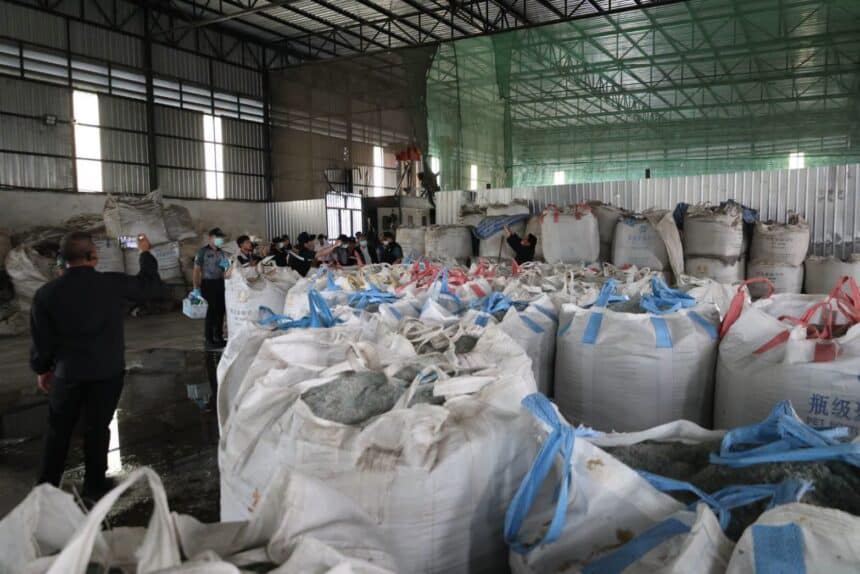
BANGKOK — Thai authorities uncovered roughly 6,000 tonnes of contaminated industrial waste packed inside three warehouses in eastern Thailand this week, halting a cross-province dumping operation before the hazardous materials could reach rural land in Saraburi.
The seizure in Plaeng Yao district amplifies mounting alarm over illegal toxic dumping across the Eastern Economic Corridor, a fast-growing industrial belt that shares watersheds and road networks with major expatriate hubs in Pattaya and Sriracha. Police and environmental officials are now tracing financial records to identify the financiers and warehouse owners behind the stockpile.
Key Takeaways• Police intercepted a waste-hauling truck in Saraburi on Nov. 17, leading investigators straight to three warehouses in Chachoengsao holding 6,000 tonnes of shredded cables and electronic scrap. • Field tests by the Pollution Control Department confirmed the waste contains six toxic heavy metals, including arsenic, lead, mercury, and cadmium. • Authorities filed criminal complaints and impounded unlicensed sorting machinery as investigators track the money trail to pinpoint the true owners. |
Highway Interception Exposes Unlicensed Plant
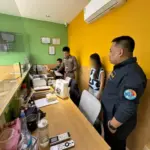
The break came on Nov. 17 when Saraburi Provincial Police stopped a trailer truck hauling industrial refuse toward an illicit dump site in Chaloem Phra Kiat district. That single traffic stop unraveled a cross-provincial supply chain. Within 24 hours, a joint task force ordered by Natural Resources and Environment Minister Suchart Chomklin raided a compound operated by KOK Recycle and Services Co. in Chachoengsao’s Plaeng Yao district.
Inside and outside the three warehouses, inspectors found towering mounds of stripped electrical wire, shredded cable casings, and discarded electronics. According to the Pollution Control Department, X-ray fluorescence testing detected dangerous concentrations of arsenic, cadmium, lead, mercury, nickel, and antimony. Provincial industry officers immediately impounded heavy sorting and shredding machines after confirming the facility was operating as an unlicensed factory.
Investigators mapped out a structured smuggling ring. Scouts earned roughly 4,000 baht per trip to locate isolated rural pits, while truck drivers collected 10,000 to 15,000 baht per 15-tonne load. Several haulers let their annual vehicle taxes lapse on purpose, dodging Department of Land Transport rules that mandate real-time GPS tracking on commercial trucks.
Crackdowns Push Toxic Networks Into New Territory
The Chachoengsao raid exposes how Thailand’s recent enforcement push has displaced, rather than eliminated, hazardous waste trafficking. Over the past year, special pollution task forces shuttered several notorious dumping pits across eastern Thailand and tightened customs scrutiny on imported electronic scrap. Squeezed out of traditional disposal sites near coastal ports, syndicates began trucking toxic residues north into central provinces like Saraburi.
For residents across the Eastern Economic Corridor—covering Chachoengsao, Chonburi, and Rayong—the risks are immediate and physical. Heavy seasonal rains frequently flood low-lying eastern farmland, washing heavy metals from unlined warehouses and open pits into local canals and groundwater tables. Those waterways feed agricultural fields and flow toward coastal communities around Sriracha and Pattaya, where tens of thousands of foreign retirees, industrial engineers, and families live alongside expanding manufacturing zones.
Public anger has boiled over in neighboring provinces. Just days before the Plaeng Yao raid, community groups in adjacent Prachin Buri rallied outside provincial offices to demand factory closures and a permanent ban on foreign waste imports, citing elevated arsenic levels in local residents. Enforcement teams are simultaneously probing massive suspected dump sites in Sa Kaeo and Samut Sakhon as illegal operators scramble to offload stockpiles.
Police Follow the Money Trail
Securing the warehouses is only the first step. Pollution Control Department officials filed formal criminal complaints at Plaeng Yao Police Station on Nov. 19, initiating both criminal prosecutions and civil lawsuits to force environmental cleanup.
Provincial Police Region 1 investigators are auditing bank transfers, land leases, and corporate registrations tied to the Plaeng Yao compound. Authorities say nominee directors often front illicit recycling operations to shield primary financiers from liability.
Until investigators lock down the ownership chain and safely remove the 6,000-tonne stockpile, local officials have placed the compound under round-the-clock guard to prevent toxic runoff into surrounding communities.