
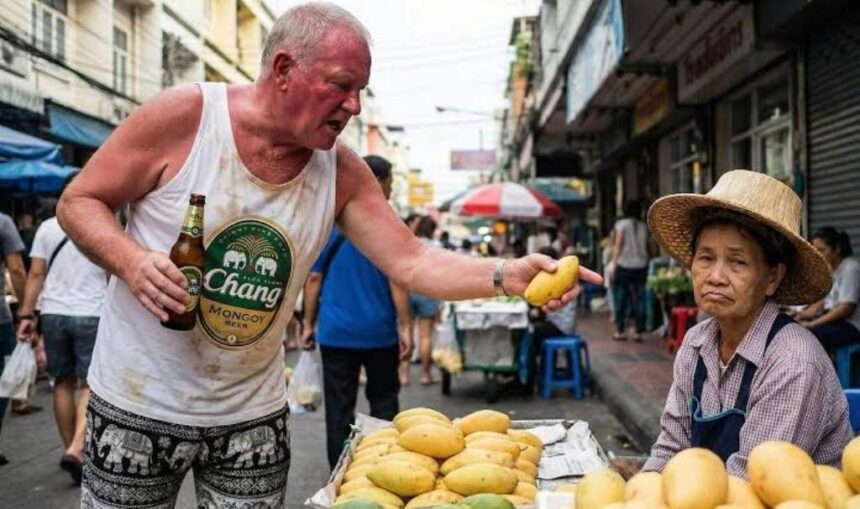
When a seller names a price in Thailand, it’s okay to negotiate in some markets, as long as you ask politely and accept the answer. Bargaining is common at some open-air markets and souvenir stalls, but prices aren’t flexible everywhere.
A calm, friendly tone matters more than getting the lowest price. Knowing when to ask, what to say, and when to leave the price as is can help you avoid an awkward exchange. For more useful Thai phrases for shopping and bargaining, start with the basics, then consider the setting before making an offer.
Key Takeaways
- Bargaining is generally welcome at many open-air markets and souvenir stalls, but marked-price shops, restaurants, and food vendors usually expect you to pay the listed amount.
- Start with a friendly greeting, ask the price, then make a reasonable offer instead of pushing for a steep discount.
- Keep your tone relaxed and patient; Thailand’s shopping tips explain that some market prices are negotiable.
- If the seller declines, accept the answer, thank them, and either pay the asking price or walk away politely.
- Compare similar stalls before deciding, and see these Chiang Rai night market shopping tips for examples of respectful bargaining.
How to Haggle in Thailand Without Causing Offence: Read the Situation First
Haggling in Thailand depends on the seller, the product, and the setting. Bargaining is a normal part of shopping at many street markets and night bazaars, but it isn’t expected everywhere. A polite question is usually enough to find out whether a price can change.
Know which prices are usually negotiable
Souvenirs, clothing, accessories, and some other market goods may have flexible prices, especially when you buy more than one item. At a night bazaar, for example, you can ask whether a vendor can offer a lower total for two scarves. Make a reasonable offer and keep the exchange friendly.
By contrast, malls, chain stores, supermarkets, restaurants, and shops displaying fixed prices generally expect customers to pay the listed amount. Some market food vendors also use set prices, so don’t assume every stall welcomes bargaining. If you’re unsure, ask once rather than starting with a lower offer.
Tuk-tuk fares are a separate case. Agree on the fare and destination before the ride begins, since the price may depend on the trip. That’s fare-setting for a service, not bargaining over a shop item. For local transport context, see these Chiang Rai tuk-tuk fare tips. You can also review advice on bargaining and tuk-tuk fares in Thailand.
Notice the seller’s cues and the setting
Before making an offer, take a moment to observe the stall. Check for price tags, and notice whether local shoppers pay the marked amount or ask about the price. Their behavior can offer a useful clue, though customs vary between vendors and markets.
Then ask politely whether the price is flexible. A simple, friendly question gives the seller room to say yes or no without pressure. If they say the price is fixed, or seem uncomfortable, accept the answer. You can thank them, pay the listed price, or move on without arguing.
At a busy night bazaar, a short exchange may be welcome; at a small shop with clearly displayed prices, bargaining may feel out of place. The setting matters, but so does the seller’s response. Treat each interaction on its own, and leave the conversation on good terms even when you don’t agree on a price.
Use a Calm, Friendly Approach to Negotiate a Fair Price
A respectful bargain starts with a simple question and a willingness to accept the seller’s answer. Keep your offer grounded in what similar stalls charge, and remember that a discount is never something you’re entitled to receive.
Ask politely, then make a realistic offer
Ask the price first, then decide whether to make an offer. You can say “ลดได้ไหมครับ/คะ?” (*lot dai mai khráp/kha?), which means “Can you lower the price?” The ending khráp is commonly used by men, while kha is commonly used by women.
Once you know the asking price, compare it with similar items at nearby stalls. If the price seems flexible, make a counteroffer that feels fair rather than starting extremely low. A steep offer can come across as dismissive, especially when you haven’t checked what comparable goods cost. Thailand’s bargaining guidance also recommends asking the seller’s price before making an offer.
For handmade items, consider the time and skill involved instead of judging only by the material. And at food markets, ask the price before buying by weight or portion; bargaining over a small amount for everyday food may feel out of place. These Chiang Rai wet market shopping tips offer more guidance on asking prices and market manners.
Keep the conversation respectful from start to finish
Speak calmly, listen to the seller, and let them respond without rushing. A smile and steady voice can help the exchange feel friendly, but politeness shouldn’t be a tactic for pressuring someone into a discount. The seller may have a fixed price or may simply prefer not to negotiate.
Avoid raising your voice, making jokes about the price, or inventing complaints to push it down. Public pressure can turn a casual conversation into an uncomfortable one. Instead, treat bargaining as a brief discussion between two people, not a contest with a winner and a loser.
Know when to accept, pause, or walk away
If the seller names a final price that works for you, accept it and complete the purchase. If it’s more than you want to spend, thank them and move on without making a scene. You can also pause to compare prices elsewhere before deciding.
Don’t pretend to leave as a threat, then return to argue. A genuine decision to walk away is fine; using it to force a lower offer can sour the interaction. When both sides stay courteous, even a deal that doesn’t happen can end on good terms.
Check the Value Before You Bargain
A fair price in Thailand depends on what you’re buying, how it was made, and what matters to you. Comparing a few options can help you judge value, but it won’t reveal one universal price or discount.
Compare like with like, not just the first price you hear
Before deciding, look at similar items at a few stalls. Compare details such as size, material, stitching, finish, and whether the item appears handmade or mass-produced. A lower price may reflect thinner fabric or simpler workmanship, while a more expensive piece may use better materials.
For example, two woven bags can look alike from a distance but differ in lining, seams, and finishing. Ask about materials if you’re unsure, then weigh those details against the price. For more ideas on choosing handmade goods in Chiang Rai, take time to inspect the work before you negotiate.
After comparing, decide what the item is worth to you and what you’re comfortable paying. The first price might be flexible, but don’t assume every seller has added a large markup. If the price seems fair for the quality, you can buy it without bargaining.
Treat handmade work and small purchases with care
Handmade crafts can involve hours of work and skills that take years to develop. A small discount may not seem significant to a traveler, but those few baht can matter more to the person selling the item. Thailand’s guidance on haggling also encourages shoppers to respect the time and skill behind handmade goods.
When a craft is well made and the asking price feels reasonable, paying it is a considerate choice. This matters especially for inexpensive items, where pushing repeatedly for a tiny reduction can make the exchange feel unfair. If you still want to ask, make one polite offer and accept the seller’s response.
A good bargain isn’t simply the lowest price. It’s a purchase that feels worthwhile to you and treats the seller fairly.
Avoid Common Bargaining Mistakes in Thailand
A price discussion can turn awkward when you negotiate where prices are fixed, push after a seller declines, or leave details unclear. Keep the exchange brief, agree on the terms before paying, and treat transport fares separately from market haggling.
Do not haggle over fixed prices or essential services
Skip bargaining at shops with clearly marked prices, convenience stores, restaurants, and other places where customers pay the displayed amount. The same goes for small, low-cost purchases when negotiation would take more time than the discount is worth. If you’re unsure, ask once whether the price is fixed, then accept the answer.
Taxis and other rides call for a different approach. In places where metered taxis are available, ask the driver to use the meter before the trip starts. For a ride without a meter, agree on the fare and destination before getting in. Don’t wait until you arrive to challenge the price. For more, see these Thailand taxi and tuk-tuk safety tips and Thailand travel tips from ITC.
Avoid pressure, anger, and bargaining after a deal
A raised voice, repeated demands, or an audience gathered around the stall can make a simple negotiation feel confrontational. Speak calmly and give the seller room to answer. If they decline your offer, thank them and either pay the asking price or leave politely. You don’t need to defend your budget or persuade them to change their mind.
Once you agree on a price, don’t reopen the negotiation at checkout or after the seller has prepared the item. Changing the terms at that point can feel unfair and create confusion. If you notice a genuine issue with the item, point it out calmly before paying rather than using it as a reason to demand a lower price after the deal.
Check the item and final price before paying
Before handing over money, confirm what you’re buying and what you’ll pay. Check the item’s condition, then make sure you and the seller agree on the quantity, size, and final total. This matters even more when you’re buying several pieces or combining items into one price.
For example, repeat the total aloud and indicate which items it covers. If the seller quotes a price per item, don’t assume it applies to the whole group. A quick check prevents mix-ups and helps both sides finish the purchase on clear terms.
Frequently Asked Questions
A few practical details can make bargaining easier, especially when you’re unsure how to communicate or what to offer. These answers cover common situations that aren’t always obvious at a market stall.
Is there a standard discount to ask for in Thailand?
No. The amount a seller might accept depends on the item, the stall, and whether the price is flexible. Rather than relying on a fixed percentage, compare similar goods and make an offer you’d feel comfortable paying. Centara’s guide to bargaining in Thailand offers more context on where negotiation may be appropriate.
Can I bargain in English?
Yes. A short, clear question such as “Is this your best price?” is usually easier to understand than a long explanation. If the seller seems unsure, point to the item and use a calculator to show your offer; keep your tone friendly and give them time to respond.
Is it rude to use my phone calculator?
No, a calculator can help when you and the seller have trouble understanding each other. Enter your offer, turn the screen toward the seller, and wait for their response instead of repeatedly changing the number. Use it to clarify the price, not to pressure the seller.
Should I carry small bills for market purchases?
Small baht notes can make cash purchases easier, especially when a stall has limited change. Keep the agreed amount clear before you pay, and check the notes you hand over. For practical details on denominations and everyday payments, see this guide to Thai baht and cash payments.
Should I bargain for expensive items like gold or jewelry?
Take extra care with high-value purchases. First check the item’s specifications, price calculation, and any taxes or paperwork, then ask whether the quoted price is negotiable. For gold, review the details on Thai gold prices, VAT, and purchase records before paying.