
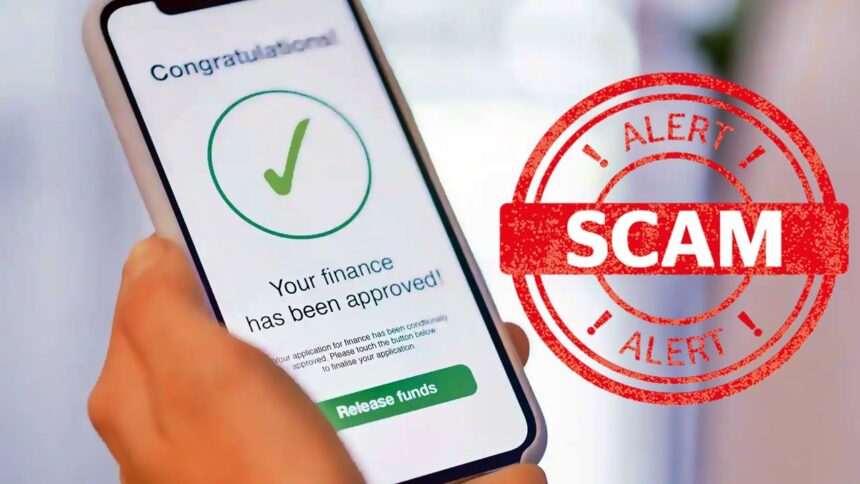
BANGKOK — Thailand’s Department of Special Investigation has formally asked Google and Apple to scrub unlicensed lending applications from their digital storefronts, naming only eight private companies authorized to operate digital personal loan services in the country.
The agency’s Consumer Protection Crime Bureau sent official notices on Nov. 13 to Google Thailand and Apple South Asia (Thailand) Ltd., warning that rogue apps exploit borrowers with predatory interest rates, steal phone contacts and photos, and wage public shaming campaigns to collect debts. Investigators want every loan app outside the approved roster removed immediately to stop ongoing financial harm.
Key Takeaways
- DSI officials delivered a whitelist of eight approved digital lenders to Google and Apple on Nov. 13, requesting the removal of all unverified loan apps from Thai app stores.
- Unlicensed operators force borrowers to grant access to personal contacts and photo galleries, later weaponizing those files for harassment and public humiliation.
- Authorities are drafting joint preventive measures with the Bank of Thailand and weighing urgent criminal action under the Special Investigation Act.
Eight Lenders Named on Official Whitelist
Under rules enforced by the Bank of Thailand, digital personal loan operators must obtain central bank authorization before offering credit through mobile apps using alternative data. While 13 firms hold formal licenses on the central bank’s registry, five have not yet launched operations, leaving just eight active private providers.
The DSI identified those eight active companies as Monix (Capital) Co., Ascend Nano Co., Aeon Thana Sinsap (Thailand) PCL, Kasikornbank PCL, Ayudhya Capital Services Co., Siam Commercial Bank PCL, Kredivo (Thailand) Co., and CLICX Bank PCL. Any mobile application offering digital personal loans outside this group operates without regulatory approval, according to the agency’s public notice. Investigators instructed both tech giants to cross-check existing apps against the roster and purge noncompliant listings.
Predatory Tactics Fuel Urgent Crackdown
The enforcement push follows mounting consumer complaints across Thailand’s provinces, where high household debt has driven cash-strapped workers toward instant mobile credit. Unlike regulated lenders, underground syndicates disguise high-interest loan sharks behind slick app interfaces hosted on mainstream marketplaces.
Once downloaded, the rogue software demands invasive device permissions before disbursing small sums, often deducting steep upfront fees that push effective interest rates far beyond legal caps. When borrowers miss a payment, collectors blast altered photos and defamatory messages to relatives, employers, and every phone number saved on the victim’s handset. Earlier this month, Thailand’s Anti-Fake News Center also warned that criminal networks pay citizens small sums for national ID photos and facial scans, using stolen identities to open fraudulent loan accounts and extort unsuspecting victims.
In late October, cyber police arrested six suspects in Phitsanulok province tied to an online lending ring, underscoring how decentralized syndicates evade local enforcement by operating through app stores. Targeting distribution chokepoints at Google Play and the Apple App Store aims to cut off new victim recruitment nationwide.
Regulatory Coordination and Legal Next Steps
Neither Google nor Apple has publicly commented on the DSI’s request or confirmed a timeline for removals. Officials noted the Nov. 13 letter serves as a formal request for platform cooperation rather than a criminal indictment.
DSI leadership stated the department will coordinate directly with the Bank of Thailand to tighten digital platform safeguards and prevent banned operators from reuploading apps under new names. Investigators are also reviewing whether to classify major syndicates as special cases under the Special Investigation Act B.E. 2547, which grants broader powers to trace illicit financial networks.
Authorities urged borrowers to verify company names through the central bank’s BOT License Check portal before granting phone permissions. Victims facing extortion or unauthorized data leaks can report incidents to the DSI hotline at 1202 or the national anti-online scam center at 1441.