CHIANG RAI — Drug traffickers recruited a young boy to mail nearly 10 kilograms of methamphetamine disguised as cat food from Thailand’s northern border to the far south, police said Friday.
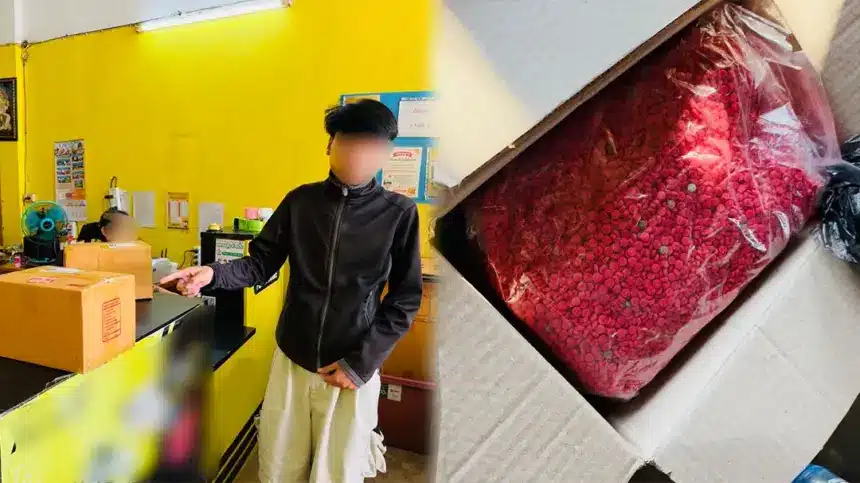
Officers intercepted the two suspicious parcels at a private courier shop in Mae Rai subdistrict, uncovering roughly 9.99 kilograms of loose meth pills bound for Narathiwat province, according to Pol. Col. Kiattisak Jitprasarn, superintendent of the Mae Chan Police Station. Investigators are now reviewing phone records and security footage to track down the adult suspect who lured the child into shipping the contraband.
Key Takeaways
- Police in Chiang Rai’s Mae Chan district seized 9.99 kilograms of loose methamphetamine pills hidden inside six cat food bags across two courier parcels.
- The shipment listed a local boy as the sender and targeted two recipients in Muang district, Narathiwat, nearly 1,800 kilometers away.
- Detectives questioned the child and are analyzing mobile phone data and CCTV footage to arrest the adult handler behind the scheme.
Inside the Cat Food Smuggling Plot
Acting on a tip about illicit cargo, Mae Chan detectives visited the Mae Rai courier branch and inspected two boxes labeled as pet supplies. Shop staff directed officers to the parcels, which struck investigators as unusual given the long shipping distance from northern Chiang Rai to Bang Nak subdistrict in Narathiwat.
Inside each box, police found three commercial cat food bags concealing clear plastic pouches. Those six pouches held unwrapped, loose yaba methamphetamine tablets weighing about 1.65 kilograms each. Removing the outer paper wrappers allowed smugglers to pack more pills tightly into a smaller space while masking the cargo as ordinary household goods.
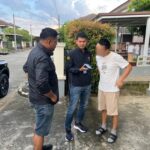
When officers checked the sender registration, they found the name of a local boy living in Mae Chan alongside two listed recipients in Narathiwat. Questioned by police, the boy said an acquaintance persuaded him to walk into the shop and drop off the boxes together, shielding the organizer from the courier’s mandatory ID check.
Why Syndicates Target Courier Networks and Youth
Mae Chan sits directly along major transit corridors leading south from the Golden Triangle border region, where armed groups across neighboring Myanmar produce massive quantities of synthetic drugs. As Thai military units and border checkpoints tighten highway inspections—including recent Chiang Rai border seizures of millions of pills—traffickers increasingly break large loads into smaller mailings.
Sending drugs through commercial parcel firms lets syndicates bypass highway checkpoints without risking vehicles or drivers. Similar tactics have surfaced across Thailand, where abandoned delivery parcels repeatedly force logistics workers onto the front lines of narcotics enforcement. Recruiting minors adds another layer of insulation, exploiting children’s vulnerability while creating legal hurdles for prosecutors.
For residents in Mae Chan, the case underscores how cross-border drug networks infiltrate everyday neighborhood businesses and put local youth at risk. Police say tracing the digital trail from the courier counter will help dismantle both the northern recruiters and their southern buyers.