
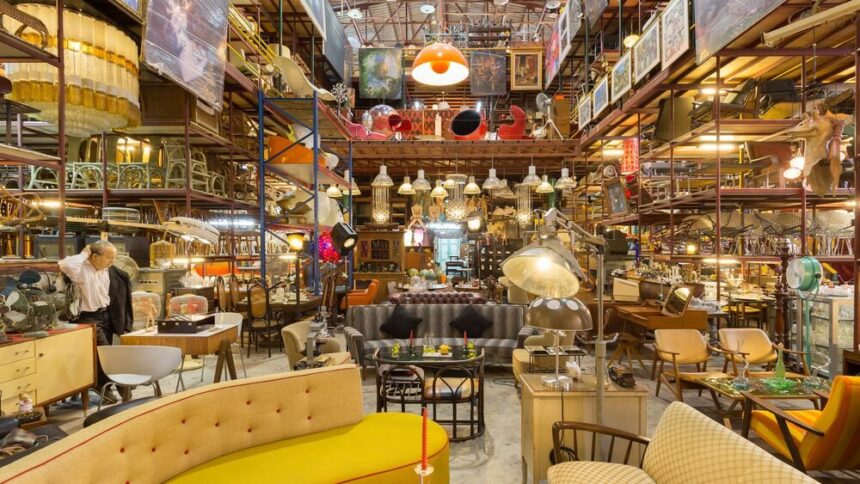
Furnishing a home in Thailand with second-hand furniture can help you spend less while finding pieces that suit your space. The savings only count if the furniture is in good condition, the seller is reliable, and delivery doesn’t add more than you expected.
Because listings, shops, and pickup options vary by location, a little checking can prevent an appealing price from turning into extra repair or transport costs. This guide offers practical steps for finding used furniture, inspecting it, agreeing on a fair price, and arranging pickup. Start by comparing the places you can shop.
Key Takeaways
- Compare local listings, second-hand shops, and market finds before choosing; include transport and repair costs in your budget.
- Inspect frames, joints, drawers, upholstery, odors, dampness, and signs of pests in person; request close-up photos if you can’t visit.
- Confirm dimensions, condition, payment method, pickup time, and delivery costs before agreeing, then save the listing and messages.
- For online purchases, avoid rushed transfers and verify payments in your own account; Thailand’s PRD recommends OCPB-registered platforms.
- If you’re buying from abroad, check for possible import taxes and courier fees in Thailand’s online shopping rules before paying.
Buying Second-Hand Furniture in Thailand: Where to Look
Used furniture turns up in several places across Thailand, but the best options depend on your city, province, and transport plans. Compare online listings with local shops and markets, and ask residents or expats where they’ve found pieces nearby. In Chiang Rai, local listings or shops may be more practical than traveling to a larger city for a single item.
Compare online listings with in-person shops
Online listings and local buy-and-sell groups make it easy to browse a wide selection without leaving home. You can compare asking prices and message sellers about dimensions, condition, and delivery. However, photos may hide worn upholstery, odors, loose joints, or damage. Check how recently the seller posted, review their profile, request current photos, and confirm the pickup location before making a trip. For safer transactions, review these Facebook Marketplace safety tips for Thai buyers and sellers.
Secondhand shops let you inspect furniture before committing, though their selection may be smaller and prices less flexible than private listings. Flea markets can turn up distinctive pieces, but stock changes, and larger furniture may be difficult to transport. Chiang Mai Citylife, for example, describes a flea market with sellers offering wooden furniture alongside other secondhand goods. Ask about opening days and whether sellers can help arrange delivery before you go.
Word of mouth can also lead to useful finds. Residents, coworkers, and expat groups may know someone moving or replacing furniture. Still, treat a personal recommendation as a lead, not a substitute for checking the item yourself.
Search with useful Thai and English terms
Search in both English and Thai because sellers may describe similar items differently. Try phrases such as “secondhand furniture,” “furniture for sale,” and เฟอร์นิเจอร์มือสอง (secondhand furniture). Then add the item you need, such as a bed, table, or wardrobe.
Narrow the results with your town or neighborhood. For example, combine a furniture term with “Chiang Rai” or the name of your district. This can surface nearby sellers and reduce time spent on listings that require a long trip. Search wording and available platforms vary by area, so try a few combinations rather than relying on one phrase.
Before setting out, check the listing date, seller profile, photos, and exact pickup location. If the post lacks useful details, ask for measurements and recent pictures. For a costly piece, arrange an in-person viewing before paying so you can judge its wear, size, smell, and stability yourself.
How to Choose Used Furniture That Holds Up
A low asking price can lose its appeal if repairs, pest treatment, delivery, or replacement costs erase the savings. Inspect each piece in daylight, ask direct questions about its history, and don’t agree to buy until you’ve checked its condition and fit.
Check frames, joints, drawers, and upholstery
Start by pressing gently on the frame and testing whether the piece wobbles. Look for cracked wood, loose joints, rust, water marks, mold, and musty or chemical odors. Open every drawer and door to check for sticking, warped panels, or broken hardware. For sofas and chairs, sit on each cushion and inspect its shape, seams, and fabric for sagging, tears, or stains.
Ask the seller to open compartments, then look behind and underneath the furniture. Pay close attention to areas that are sealed, covered, or hard to explain. These checks can reveal repairs or damage that photos miss. Ask how old the piece is, how it was used, whether it has been damaged or repaired, and why it’s for sale. If the seller can’t answer basic questions, factor that uncertainty into your decision.
Look for signs of insects and hidden damage
Use a flashlight to check wood joints, cracks, upholstery seams, and the underside. Small holes, fine powder, droppings, shed skins, or live insects can point to an infestation. The U.S. Environmental Protection Agency also advises inspecting secondhand furniture for bed bugs before bringing it home. If you spot signs of bed bugs or termites, walk away or ask a qualified pest professional to assess the piece.
Thailand has also seen criminal shipments concealed in mattresses and furniture, as Thai PBS reported in a customs seizure. That doesn’t make ordinary secondhand furniture suspicious, but unexplained sealed spaces, unusual modifications, or an unclear origin deserve caution. Don’t buy a piece you can’t inspect or account for; report credible concerns through an official channel rather than confronting the seller.
Measure the piece and the route into your home
Ask the seller for exact height, width, and depth, then measure the intended room and the full route inside. Check doorways, hallways, stair turns, and elevator openings, since a piece that fits the room may not fit through the building. Confirm whether the furniture can be taken apart and whether the seller or delivery crew will do that.
Finally, add transport and any likely repair costs to the asking price. For outdoor pieces, compare materials and care needs too; our guide to choosing long-lasting HDPE furniture covers one option. If the full cost no longer makes sense, keep looking.
Understand Used Furniture Prices and Negotiate Fairly
A fair price depends on more than the seller’s first number. Compare similar pieces in the same area, then account for material, age, brand, condition, and any work needed before you can use the furniture. Used pieces can cost less than new ones, but the asking price alone doesn’t show whether a particular deal saves you money.
Make a polite offer and accept the answer
Bargaining may be welcome with private sellers, at flea markets, and in some secondhand shops. However, a clearly marked price may be fixed, so ask whether there’s room to negotiate before making an offer. In Thailand, bargaining customs vary by seller and setting; these tips for haggling politely in Thailand can help you keep the exchange friendly.
Before you offer, compare similar items nearby. Check whether they’re made from solid wood, engineered wood, metal, or another material, and note differences in age, brand, finish, and wear. A newer branded piece in good condition may justify a higher price than an older, unbranded item with loose joints. Still, prices vary by location and item, so don’t rely on a standard discount. Yahoo Finance’s overview of thrift shopping discusses potential savings, but each piece needs its own assessment.
If the price seems high, make one reasonable offer based on comparable pieces and the condition you’ve inspected. Keep your tone calm, and accept the seller’s answer. When the price already feels fair, pay it rather than pressing over a small amount.
Add repair, cleaning, and delivery costs to your budget
Calculate the likely cost of getting the piece home and ready to use. Include replacement hardware, upholstery work, cleaning, and transport. If a qualified professional advises pest treatment, include that estimate too. Ask whether stairs, disassembly, or assembly will add a fee.
For example, suppose a used chair costs 5,000 baht but needs 1,500 baht in repairs and 1,000 baht for delivery. Its usable cost is 7,500 baht. A similar chair priced at 6,500 baht with 500 baht delivery and no repairs costs 7,000 baht. The higher-priced chair is the better value in this example, even though its asking price is higher.
Use your own quotes and inspection findings for the calculation; the example isn’t a guide to typical Thai prices. A bargain is only a bargain if the total cost of getting the furniture safely into usable condition works for your budget.
Arrange Payment, Pickup, and Furniture Delivery Safely
Once you agree on a piece, settle the payment and handoff details before anyone sends money or books a vehicle. Keep the plan in the listing or message thread so both sides can review the same terms if anything changes.
Confirm who pays for transport and loading
A private seller may expect you to arrange a pickup truck or local delivery service. Confirm who will book and pay for transport, and who will carry the furniture out, load it, and unload it at your home. A low asking price can rise quickly if you need to hire extra help.
Before you commit, agree on the full delivery cost and timing. For a bulky wardrobe, sofa, or dining table, tell the driver about stairs, narrow hallways, elevators, and any disassembly needed. Check that the furniture can fit through the route into your home, then confirm whether the seller or delivery crew will handle each part of the move.
Write down the exact item, its agreed condition, the total price, the pickup time, and any transport or labor fees. Keep these details in your Marketplace conversation or another written message. If the seller changes the price or adds a fee, pause until you understand the change and both sides confirm the updated terms. Thai authorities have urged online shoppers to verify details before transferring money, as reported in Thairath’s coverage of consumer safety advice.
Keep payment and handover details clear
Use a payment method both sides understand, and save a record of the agreed price and transfer. Avoid sending a large deposit before you’ve checked the seller’s profile and confirmed the item is real and available. If the seller refuses reasonable questions, changes key details, or pushes you to pay immediately, take time to reassess the deal.
For an in-person purchase, inspect the furniture again before making the final payment. Check that it matches the agreed description and that no new damage has appeared during handling. If you pay by bank transfer, confirm the money has reached the seller’s account before the furniture leaves. A screenshot or transfer slip alone doesn’t prove that funds arrived; sellers should check through their own bank app.
Keep your payment checks within trusted banking channels, and don’t share passwords, PINs, one-time codes, or unnecessary identity details. For more guidance, see our online banking security tips for Thailand.
Clean and Set Up Secondhand Furniture Before Use
Once the furniture arrives, inspect it again before bringing it into regular use. Check seams, joints, drawers, and the underside for fresh damage, dampness, odors, or signs of insects. Then vacuum fabric and crevices with an upholstery attachment, or wipe hard surfaces with a cleaner suited to the material. Let the piece air out in a dry, well-ventilated spot, and tighten loose screws or handles before loading shelves or sitting on it.
Choose care methods that fit the material
Different surfaces need different treatment. Sealed wood usually takes a soft cloth and a small amount of mild cleaner, while unfinished wood can absorb water and stain easily. Use as little moisture as possible on either type, and dry the surface promptly. The University of Missouri Extension explains why cleaning methods depend on a furniture’s finish in its guide to cleaning wood and upholstered furniture.
For fabric, vacuum first and follow the upholstery care label. Avoid soaking cushions or frames, since trapped moisture can lead to musty odors or mold. Leather also needs gentle care: use a product labeled for leather, test it in a hidden area, and avoid excess water. For metal, wipe away dust and grime, then dry it well to limit rust, especially around joints and scratches.
Before using any cleaner, test it on a hidden spot and follow the product label for dilution and ventilation. Don’t mix cleaning products. If you find mold, persistent dampness, or damage you can’t identify, stop and get qualified help rather than covering it up. Our advice on safe mold cleanup after flooding explains when a professional assessment is a better choice.
Know when a repair is worth the effort
Small repairs, such as tightening screws, replacing a handle, or securing a loose hinge, are often manageable. However, compare the repair estimate and effort with the price of a sound replacement. Include parts, professional labor, transport, and any cleaning or treatment the item still needs.
A cracked structural frame, deep mold in porous upholstery, or widespread insect damage can make furniture unsafe or uneconomical to keep. If you suspect bed bugs, avoid moving the piece through other rooms and follow the EPA’s bed bug control guidance. For serious pest activity, extensive mold, or uncertain structural damage, ask a qualified service to assess the furniture before you use it.
Frequently Asked Questions
A few details can still affect the value of a secondhand furniture purchase, especially when the sale happens online or involves shipping.
Can I return used furniture after paying?
Don’t assume you can return a private sale just because the furniture differs from what you expected. Before paying, ask the seller to confirm in writing whether returns or refunds are possible and what conditions apply. The OCPB’s guidance on cancelling direct-market contracts covers a specific type of transaction, so it shouldn’t be treated as a blanket return policy for every used-furniture sale.
What should I do if I find damage after delivery?
Take clear photos as soon as you notice the problem, then message the seller promptly with a description of what differs from your agreement. Keep the listing, photos, payment record, and messages together while you try to resolve it. If the seller won’t respond, those records can help you explain the transaction when seeking advice.
Can I buy a piece without inspecting it in person?
You can, but photos and a video call can’t confirm everything, including odors, stability, or hidden damage. Ask for recent close-ups of the frame, joints, underside, upholstery, and any flaws, then request a video showing drawers or doors opening. If the seller won’t provide useful evidence, choose a piece you can inspect instead.
Should I pay a deposit to hold an item?
A deposit carries risk, particularly if you haven’t confirmed the seller’s identity, the item’s availability, and the pickup terms. If you decide to proceed, agree on the amount and refund conditions in writing, and avoid paying through an unfamiliar link. Review these common online shopping fraud risks in Thailand before sending money to an unverified seller.
Can I ship secondhand furniture across a border?
Check the import rules for the destination country and confirm requirements with the carrier before arranging shipment. Duties, taxes, documentation, and restrictions can depend on the item and route, so ask for a written estimate of the full landed cost. For a single bulky piece, compare that total with the cost of buying locally.
Conclusion
Buying second-hand furniture in Thailand can save money, but the asking price is only part of the decision. The best purchase balances condition, price, and logistics, so inspect the piece carefully and compare its full cost with similar options.
Before committing, communicate clearly with the seller and include delivery and repair costs in your budget. A little care at each step helps you bring home furniture that suits your space without turning a bargain into an expensive problem.