BANGKOK – Thailand’s Department of Disease Control has logged 34,875 dengue fever infections and 47 deaths nationwide through Nov. 7, prompting an urgent health alert for residents and travelers in flood-hit southern provinces.
Deputy government spokeswoman Ploytalay Laksameesangchan confirmed the updated epidemiological tally Sunday, warning that lingering floodwaters across southern Thailand are creating prime breeding grounds for disease-carrying mosquitoes.
While total infections remain lower than last year’s figures, transmission rates in southern Health Region 11 have surged to 1.7 times the national average. The spike puts foreign residents, expatriates and tourists living near stagnant water or traveling through inundated coastal corridors at elevated risk during the late monsoon season.
Key Takeaways• Thailand recorded 34,875 dengue cases and 47 deaths through Nov. 7, with fatalities concentrated among older adults. • Southern Health Regions 11 and 12 report the highest infection loads, driven by persistent rainfall and standing floodwater. • High fever, severe joint pain and bleeding gums require immediate hospital care, while draining household water cuts mosquito exposure. |
Southern Floodwaters Fuel Late-Season Outbreaks
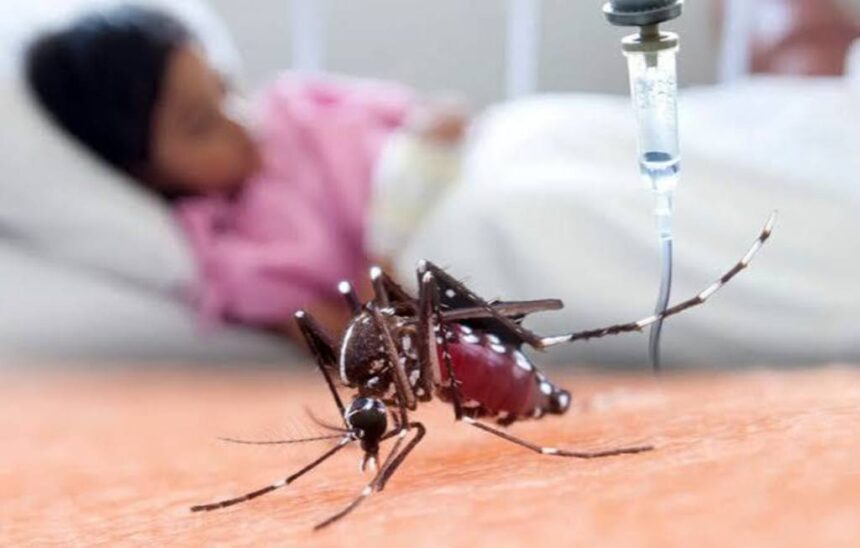
Dengue follows a sharp geographic split in Thailand. While northern and central provinces dry out in November, the Gulf of Thailand monsoon dumps heavy rain across the south, turning clogged drains, construction sites and flooded yards into incubators for Aedes aegypti mosquitoes. According to health officials, national infections peaked in August at roughly 1,450 cases—well below August 2025’s 2,700-case surge—yet southern provinces continue to drive late-year hospitalizations.
School-age children and working-age adults account for the bulk of confirmed infections, largely because daytime-biting Aedes mosquitoes thrive in urban neighborhoods, offices and tourist hubs. Older adults face the deadliest outcomes. Health officials note that most of this year’s 47 fatalities occurred among seniors with underlying conditions, prompting authorities to mobilize village health volunteers across southern provinces to clear larval habitats before floodwaters recede.
Warning Signs and Home Prevention for Residents
Early dengue often mimics standard flu, catching newcomers off guard. Medical guidelines from Bangkok Hospital Phuket advise seeking immediate clinical evaluation if a sudden high fever of 39 to 40 degrees Celsius accompanies severe headache, pain behind the eyes, muscle aches or nausea.
Red-flag symptoms—including persistent vomiting, abdominal pain, skin bleeding spots, nosebleeds or dark stools—signal potential plasma leakage and demand emergency hospital care. Doctors warn patients to avoid aspirin and ibuprofen, which increase bleeding risks.
Stopping transmission starts at home. Aedes mosquitoes breed in clean, still water inside flower vases, plant saucers, uncovered rain barrels and discarded tires. Residents should empty standing water every seven days, repair torn window screens, sleep under nets in unscreened rooms and apply repellents containing DEET or picaridin during daylight hours. Because Department of Disease Control figures reflect cases verified through Nov. 7, travelers heading south should monitor local provincial health advisories for weekly updates.