
Chiang Rai’s busy town temples give way to the cooler, quieter highlands of Doi Hua Mae Kham, where mountain weather and winding roads shape the visit. After exploring the town’s best-known temples, the village offers a different pace and scenery.
A little preparation helps you enjoy the highland views while respecting the people who live and work there. Here’s what to know about the village, its culture, the journey, and planning a thoughtful visit.
Key Takeaways
- Doi Hua Mae Kham is a remote highland destination in Mae Fa Luang district, known for mountain scenery and village life.
- Visit in November for golden bua tong blooms, the seasonal highlight noted by Thailand’s tourism authority.
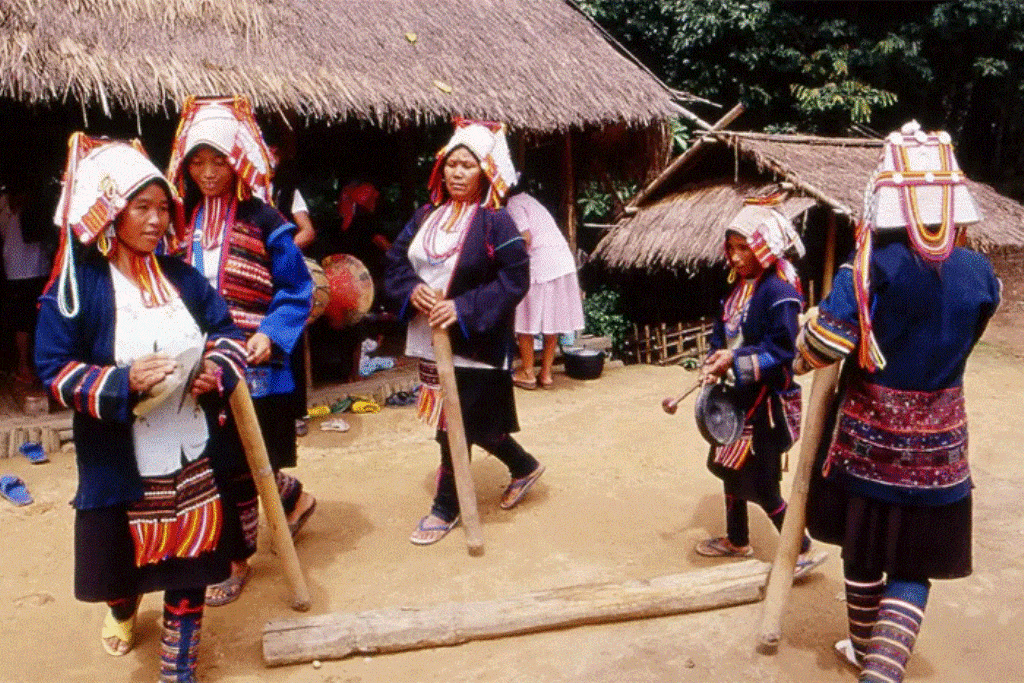
- Lisu residents form the largest community, alongside Akha, Hmong, and Muser residents; follow local customs and guidance.
- Steep, winding roads can slow the trip, especially during June-to-October rains, so allow extra time.
- Plan transport ahead for this remote route; Chiang Rai private-driver tips can help with trip logistics.
What Makes Doi Hua Mae Kham a Special Chiang Rai Mountain Village
Doi Hua Mae Kham offers a quieter side of Chiang Rai, where steep hills, open views, and the pace of village life shape the visit. Its appeal comes from the setting as much as any single attraction: getting there takes time, and the journey helps visitors leave the busy town behind.
A highland setting near Chiang Rai’s northern border
The village sits in Mae Fa Luang district, among the highlands near Thailand’s northern border. Mountain slopes rise around the route, and views change as the road climbs and bends through the hills. Thailand’s tourism guide estimates the drive from Chiang Rai takes about three hours, so plan for a full journey rather than a quick stop. The guide to Chiang Rai also describes the winding approach through Mae Chan and Ban Thoet Thai.
That road is part of the experience. Curves, elevation changes, and slower driving make the trip feel more remote than a map may suggest. Give yourself extra time, especially if rain or fog affects visibility. Conditions can differ from those in town, and highland air often feels cooler after sunset or before sunrise. Check mountain weather in northern Thailand before packing, and bring a warm layer even when the day starts mild.
For travelers who want nature and a slower pace, the distance is part of the draw. There’s room to take in the mountain scenery without rushing between crowded stops, provided you allow enough time for the drive.
A lived-in village, not just a scenic stop
Doi Hua Mae Kham is home to people who live and work in the village throughout the year. Visitors pass through a real community, where homes, farms, and shared spaces have daily uses beyond tourism. Treat those places with care, and follow any local guidance about where to walk or stop.
Photography deserves the same consideration. Ask before taking someone’s picture, and get permission before photographing a home or private property. A friendly greeting and a little patience can make an encounter more respectful, while giving residents room to go about their day. The village’s character comes from its mountain setting and its people, so leave space for both.
What to See and Do Around Doi Hua Mae Kham
Doi Hua Mae Kham is best enjoyed at an unhurried pace. Give yourself time for the mountain scenery, a respectful walk through public village areas, and pauses along the route. Before setting out, ask locally about road or trail access, since weather and conditions can change.
Take in mountain views and morning mist
An early start brings cooler air and softer light across the hills. When the weather cooperates, mist may gather along the slopes, but visibility varies with cloud cover, rain, and other conditions. Treat any view as a bonus rather than planning around a guaranteed sea of clouds.
Take time to stop only where it’s safe and permitted. The winding mountain road calls for attention, especially in low visibility, so avoid stopping on narrow shoulders or blocking local traffic. Thailand’s tourism authority provides a destination overview for Doi Hua Mae Kham, but local conditions will shape what you can see on the day.
Explore the village at a respectful pace
A slow walk through public areas offers a chance to notice the everyday rhythm of the village. Keep to places where visitors are welcome, and don’t enter homes, yards, or work areas without an invitation. Residents may be busy with daily tasks, so let them set the pace of any conversation.
When a community guide is available, ask about their services and follow their advice on where to go. A guide can help explain local life in context, while also making it easier to avoid private spaces. If you meet residents, a polite greeting and a request before taking photos show consideration. Cultural traditions belong to the community, so approach them with curiosity rather than expecting a performance.
Make room for nearby highland scenery
The drive itself gives you opportunities to appreciate the changing views. Build in a few safe pauses rather than trying to fit several stops into a tight schedule. From open slopes to forested sections, the scenery shifts with the road and the weather, so a flexible plan often works better than a checklist.
Before walking any trail or taking a side route, ask locally whether it’s open and appropriate for visitors. Don’t assume that an unmarked path is public or that access remains unchanged through the seasons. For broader route-planning ideas, see our guide to Chiang Rai mountain day trips. Allow extra time for slow driving, then enjoy the highlands without rushing back to the next stop.
When to Visit and How to Reach Doi Hua Mae Kham
The best time to visit depends on your tolerance for crowds and changing mountain conditions. Because Doi Hua Mae Kham is remote, check the forecast, daylight hours, and local road updates before leaving Chiang Rai.
Choose a season that fits your plans
November through February is generally cooler, and skies are often clearer, making this a popular time for highland trips. Expect more visitors during these months, especially around seasonal highlights. March and April can bring haze from open burning, which may obscure mountain views; check local air-quality reports if you’re planning a spring visit.
From June through October, rain can make the mountain roads slippery and slow. Build extra time into your schedule, and check the Thailand Meteorological Department forecast close to departure. Conditions can change between Chiang Rai town and the highlands, so a clear forecast in town doesn’t guarantee clear roads or views along the route.
Plan for a long drive on winding mountain roads
The drive involves steep curves and can take longer than the distance on a map suggests. Choose a vehicle in good condition, with reliable brakes and tires, and make the trip only if the driver is comfortable on winding mountain roads. Leave early to make the most of daylight, and carry enough fuel and drinking water for the journey.
Download an offline map before you leave because mobile coverage may be weak in some areas. Also check local updates and road conditions before setting out. In rain or fog, slow down and increase your following distance. Avoid driving at night where possible, when curves and hazards are harder to see. Never drive through floodwater if you can’t judge its depth or see the road surface. Fog can also reduce visibility on northern routes, so review our advice on foggy morning driving conditions.
Decide whether to stay overnight
A day trip may suit travelers who can start early, have enough daylight for the return drive, and find favorable road conditions. However, rain, fog, or slow traffic can make a same-day return tiring. Reconsider the schedule if weather reduces visibility or leaves less time for a safe drive back.
An overnight stay gives you a slower visit and more flexibility around changing conditions. Before traveling, confirm directly whether accommodation is available and suitable for your plans. Either way, check the forecast and local updates again before departure, then adjust your schedule if conditions call for more time on the road.
How to Visit Responsibly and Prepare for the Highlands
A comfortable, respectful visit to Doi Hua Mae Kham starts with planning for changing conditions and remembering that the village is a lived-in community. Pack for the weather, check access before walking, and choose ways to spend that benefit local residents.
Pack for cool air, rain, and uneven ground
Highland weather can feel different from Chiang Rai town, especially in the evening or on a foggy morning. Wear light layers you can adjust, and bring a light fleece for cooler hours. Sturdy walking shoes with good grip help on uneven ground; during wet months, pack a rain jacket or poncho in case paths or roads are damp.
Sun protection still matters in the mountains, so bring sunscreen and a hat. Carry a reusable water bottle and enough water for your outing, since you shouldn’t assume refill points or shops will be available. Bring any essential medication you may need, and take all trash back with you rather than leaving it along a path or viewpoint. For more ideas on preparing for remote mountain conditions, see our mountain camping safety guide.
Follow local guidance and protect private spaces
Follow posted signs and any directions from local residents or site staff. Ask permission before taking identifiable portraits, and avoid photographing people who are busy or haven’t agreed. Homes, farms, and work areas are private spaces, even when a path passes nearby. Don’t enter fields or forest areas unless you have permission.
Before joining a walk, ask a local contact about the route, guide arrangements, and any access limits. Conditions and permissions may vary, so don’t rely on an old route description or assume an unmarked track is open to visitors. These choices reflect broader responsible travel guidance for Thailand, including respect for local customs and permission before taking photos.
Spend thoughtfully in the community
When food, crafts, or visitor services are available, consider buying directly from the people who provide them. Ask about the item or service, agree on the price, and avoid pressing residents to bargain over small amounts. A fair purchase helps keep more of your travel spending in the community.
Keep the visit low-impact by following local directions, leaving work areas undisturbed, and taking your waste with you. Small choices matter most when they respect residents’ time and routines. A thoughtful visit lets you enjoy the highlands without treating the village as a backdrop.
Frequently Asked Questions
These answers cover a few practical details that can help you shape a highland visit, especially if you want to add a guided walk or another stop.
What are the bua tong flowers at Doi Hua Mae Kham?
Bua tong are golden wildflowers that cover parts of the hills during their seasonal bloom. Their color is a major draw for visitors, and the Tourism Authority of Thailand’s Doi Hua Mae Kham guide identifies November as the flowering period.
Are the flowers guaranteed to be in bloom in November?
November is the usual time to look for the blooms, but the exact timing and density can vary with local conditions. If the flowers are your main reason for visiting, ask a local contact about what is blooming before making the long drive.
How much time should I set aside for the visit?
Treat Doi Hua Mae Kham as a full-day outing from Chiang Rai, rather than a brief stop between town attractions. The drive takes time, and a slower pace gives you room to enjoy the views without rushing along the mountain road.
Should I arrange a local guide before I arrive?
If you want a guided walk or community interpretation, contact local visitor services before traveling and ask what is available on your dates. Confirm the meeting point, route, price, and any access limits, since you shouldn’t assume a guide will be waiting when you arrive.
Can I combine Doi Hua Mae Kham with other highland destinations?
You can include it in a longer highland itinerary, but allow plenty of time between destinations and avoid squeezing several mountain stops into one day. For a separate outing focused on coffee-growing areas, see our guide to Chiang Rai’s highland coffee farms.
Is there reliable cell service in the village?
Mobile coverage can be weak in remote highland areas, so download an offline map and save important contact details before leaving town. Keep your phone charged, but don’t depend on a live map or data connection throughout the journey.