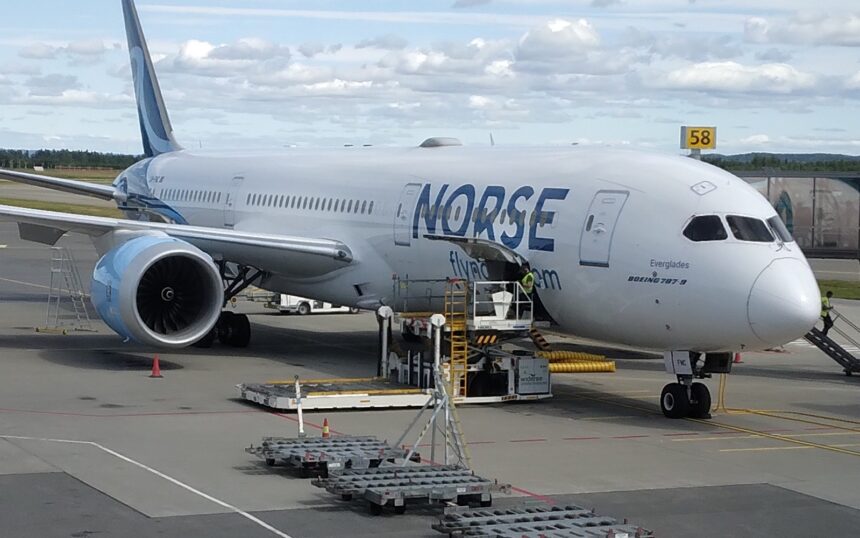
BANGKOK — Thailand’s Civil Aviation Authority urged travelers on Friday to immediately verify bookings, request credit card chargebacks and contact travel agents after Norwegian budget carrier Norse Atlantic Airways abruptly grounded all flights, stranding passengers across the country.
The regulator issued the emergency guidance after Norse Atlantic suspended operations on Nov. 26 and moved toward bankruptcy protection the following day, wiping out direct winter routes linking Europe with Bangkok and Phuket. With ticket sales halted and aircraft recalled to European bases, foreign nationals stuck in Thailand are being told to reach out to their embassies or consulates for repatriation options.
Key Takeaways• Thailand’s aviation regulator warns passengers not to travel to airports before checking ticket status and contacting booking agents. • Travelers should pursue refunds through card chargebacks or travel insurance policies covering airline insolvency while saving all receipts. • Stranded foreign visitors in Thailand are advised to contact their diplomatic missions for return assistance following Norse Atlantic’s Nov. 26 grounding. |
Steps for Stranded Travelers to Recover Fares
Time matters. Strict filing deadlines govern bank disputes and bankruptcy claims, leaving ticket holders little room for delay. Officials at the Civil Aviation Authority of Thailand emphasized that how passengers recover their money depends entirely on how they paid for their seats.
Passengers who booked through tour operators or online agencies must contact those intermediaries first to check whether alternative flights or refunds apply under their terms. Travelers who paid directly by credit or debit card should ask their issuing banks to initiate a chargeback for undelivered services. The U.K. Civil Aviation Authority echoed that advice for London Gatwick passengers bound for Bangkok and Phuket, urging customers with scheduled airline failure insurance to file claims immediately. Regulators also stressed keeping every e-ticket, payment record, cancellation notice and replacement flight receipt as proof.
Fuel Shocks and Unhedged Costs Behind the Collapse
Norse Atlantic’s sudden shutdown exposes the fragile economics of long-haul budget aviation during global energy shocks. Operating Boeing 787 Dreamliners on thin margins, the Oslo-based carrier entered 2026 without hedging against fuel price spikes. When conflict in Iran drove European jet fuel prices to more than double earlier in the year, operating expenses overwhelmed ticket revenues.
By late November, Norse Atlantic had lost roughly 99% of its market value since January, and emergency talks with bondholders and prospective investors failed to secure short-term cash. Chief Executive Officer Eivind Roald confirmed all jets returned to bases in Norway, Sweden and Britain. The International Transport Workers’ Federation reported that pilots and cabin crew went unpaid before the grounding.
For Thailand’s tourism sector, the timing hits at the start of the lucrative winter high season. Norse Atlantic’s November schedule alone included 70 one-way flights between Europe and Thailand, serving price-sensitive British and Scandinavian holidaymakers heading to Bangkok and Phuket.
Past budget long-haul failures, including Norwegian Air’s exit from intercontinental routes and WOW air’s 2019 collapse, showed that stranded travelers rarely recover cash directly from bankruptcy courts, making bank chargebacks and embassy consular support their most reliable lifelines.