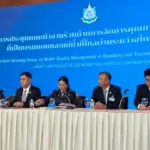

BANGKOK — Foreign nationals convicted of using citizens in Thailand as corporate fronts will face mandatory deportation and asset seizures under sweeping 2027 enforcement priorities announced Wednesday by Prime Minister Anutin Charnvirakul.
Speaking to senior commanders at Royal Thai Police headquarters on Nov. 25, Anutin, who concurrently serves as interior minister, placed illegal nominee networks alongside narcotics trafficking and cyber-scam syndicates as top targets for “grey capital” suppression. Thai citizens caught fronting businesses for foreign owners also risk criminal prosecution and the revocation of naturalized citizenship, a warning that puts expatriate business owners and property holders on immediate notice to audit their shareholding structures.
Key Takeaways
- Zero-tolerance penalties: Foreigners convicted in nominee cases face deportation and asset confiscation under 2027 police directives.
- Citizenship at risk: Thai nationals who act as illegal proxy shareholders face criminal charges and potential loss of citizenship.
- Compliance urgency: Expatriates operating companies with Thai shareholders must verify genuine capital origins and corporate governance immediately.
Interagency Task Force Targets Grey Capital
The directive links four state agencies into a unified investigative front. Anutin instructed the Royal Thai Police and the Immigration Bureau to share financial intelligence directly with the Department of Business Development and the Department of Provincial Administration. Investigators will trace cross-shareholding chains and bank transfers to expose corporate shells that disguise foreign control.
Anutin told officers that public trust depends on dismantling illicit financial networks before they distort local markets. Drug cartels and cross-border scam compounds frequently launder proceeds through front companies in tourism and real estate hubs. Cutting off their corporate cover strips syndicates of domestic banking access and legal standing.
Investigative Context: Closing the 51-49 Loophole
Thailand’s Foreign Business Act and Land Code prohibit non-citizens from owning land freehold and restrict foreign majority ownership in service and retail sectors. For decades, foreign buyers and small operators bypassed those caps by forming Thai limited companies split 51% to 49%. In unlawful setups, local employees, lawyers or acquaintances hold the majority shares on paper without contributing capital, while side agreements hand voting power and dividends to the foreign minority partner.
Enforcement escalated sharply throughout 2026. Beginning Jan. 1, corporate registrars required Thai partners in foreign-linked firms to submit bank statements proving independent wealth. By Aug. 1, scrutiny expanded to post-registration share transfers and director changes. In October, Anutin launched a nationwide nominee land probe targeting more than 11,000 companies holding an estimated 85 billion baht ($2.5 billion) in real estate across resort provinces such as Phuket, Surat Thani and Chonburi. Police raids in Banglamung last month seized records from 12 companies controlling 50 rai of residential land, resulting in mandatory 180-day divestment orders.
A separate Prime Minister’s Office regulation enacted in August 2026 also standardized administrative referrals for removal, allowing the Interior Ministry to initiate deportation proceedings once a court enters a final conviction for corporate or immigration offenses.
What Expatriates and Thai Partners Must Audit Now
Corporate attorneys warn that a clean registration certificate no longer shields a company from prosecution. Authorities now apply a substance-over-form test, examining tax filings, dividend payouts, loan agreements and actual boardroom control.
Under Sections 36 and 37 of the Foreign Business Act, convicted nominees and foreign principals face up to three years in prison and fines reaching 1 million baht, alongside court-ordered dissolution. For naturalized citizens who acquired Thai nationality through marriage or residency, acting as an illegal front provides statutory grounds for citizenship revocation under the Nationality Act.
Expatriates running legitimate joint ventures should verify that Thai co-investors funded their equity from verifiable personal accounts and participate in governance. Foreign residents holding private homes through shell companies face steeper exposure and may need to restructure into registered 30-year leases or sell assets before 2027 enforcement sweeps begin.