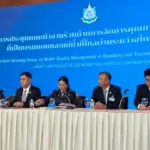

BANGKOK — Thailand’s Department of Disease Control has urged residents and holiday travelers to take basic health precautions through the end of the year as seasonal influenza circulates widely, pertussis clusters persist in the south and mpox infections climb steadily.
Surveillance records compiled by the agency’s Division of Epidemiology show 645,874 reported influenza cases through mid-November, alongside 470 cumulative mpox infections and three deaths logged in the first 10 months of 2026. Health officials said cooler weather and heavy domestic travel ahead of New Year celebrations could accelerate transmission, though individual risk varies sharply by age, vaccination status and local exposure.
Key Takeaways
- National case counts remain elevated: Health authorities have recorded 645,874 flu cases through Nov. 15, 470 mpox cases through Oct. 31, and more than 130 combined diphtheria and pertussis cases in the far south.
- Risks depend on personal and regional factors: Infants, older adults and people with weakened immune systems face the highest chance of severe complications, while exposure varies across regions.
- Early testing and routine shots anchor prevention: Doctors advise annual flu shots, up-to-date childhood and maternal pertussis boosters, and prompt clinic visits for unexplained rashes or prolonged coughs.
How Travel, Weather and Immunity Gaps Drive Transmission
Seasonal shifts explain part of the year-end pattern. Upper Thailand entered its cool season in early November, prompting people to spend more time in enclosed, air-conditioned rooms, buses and classrooms where respiratory droplets linger. Earlier this year, Department of Disease Control Director-General Dr. Montien Kanasawat warned that school terms and holiday transit corridors consistently amplify flu spread, especially among children ages 5 to 9.
Whooping cough, known medically as pertussis, follows a different geographic fault line. While largely controlled in central provinces, public health teams in late November monitored more than 130 diphtheria and pertussis cases and six deaths across Thailand’s three southernmost border provinces. Epidemiological studies show lower routine immunization uptake in parts of the deep south, combined with waning immunity among adults whose childhood shots have faded over time.
Mpox transmission remains concentrated in close-contact networks rather than casual public spaces. Deputy Director-General Dr. Direk Khampaen noted that while most patients recover without specialized hospital care, Thailand’s international travel links mean imported and local cases continue to appear steadily.
Recognizing Distinct Symptoms Across Three Infections
Distinguishing these illnesses early helps patients isolate before passing germs to vulnerable relatives. Influenza usually strikes abruptly with high fever, body aches, chills, sore throat and fatigue. Most healthy adults recover within a week.
Pertussis begins like a mild cold with a runny nose and low fever. After one to two weeks, however, patients develop violent coughing fits that can end in vomiting, exhaustion or a high-pitched gasping sound. In infants under 1 year old, the infection can trigger dangerous pauses in breathing rather than an obvious cough.
Mpox often starts with fever, headache, backache and swollen lymph nodes before skin lesions emerge on the face, hands, body, genitals or anus. Officials stressed that some patients develop only a few spots without fever, and laboratory PCR swabs of skin lesions are required because visual inspection alone cannot confirm the virus.
Practical Prevention and When to Seek Medical Care
Health officials emphasize steady, everyday habits over panic. Annual flu vaccinations remain free at state clinics for high-risk groups, including pregnant women, young children, seniors and people with chronic heart or lung conditions. Parents should check their children’s pink health booklets to ensure routine diphtheria-tetanus-pertussis doses are current, while pregnant women are advised to receive a pertussis booster to shield newborns.
Frequent handwashing, wearing a mask in crowded transit hubs and staying home when feverish curb respiratory spread. To lower mpox risk, doctors advise avoiding skin-to-skin contact with anyone who has unexplained sores and not sharing towels or bedding.
Seek prompt medical care if a fever persists beyond three days, breathing becomes labored, an infant struggles to feed or coughs until turning pale, or any unexplained blister or rash appears. Residents can call the Department of Disease Control hotline at 1422 for confidential guidance and testing referrals.
Trending News:
Thailand Health Insurance Exclusions: What You Must Know
Thailand Health Officials Warn Over Liver Flukes Linked to Raw Fish and Bile Duct Cancer