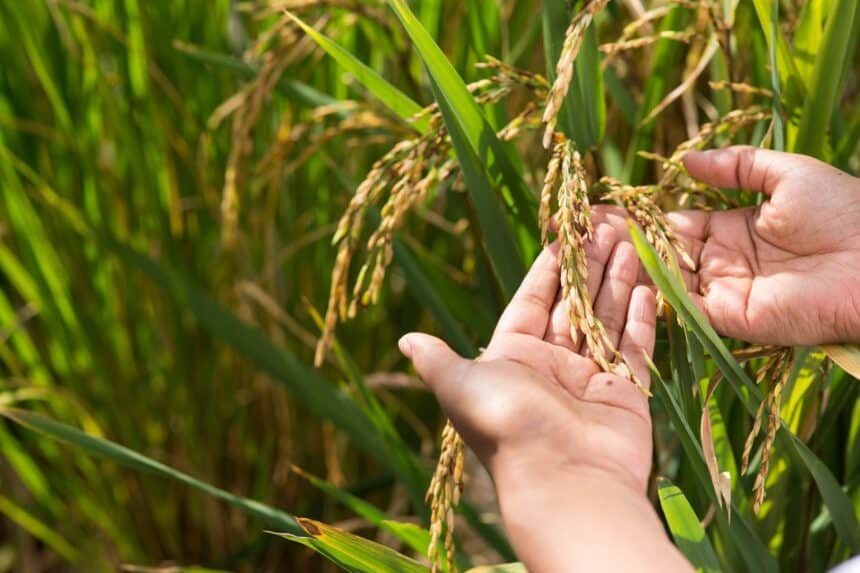
MAE SAI – Chiang Rai officials launched urgent laboratory testing on local rice crops Tuesday after unverified arsenic rumors prompted central Thai traders and exporters to freeze harvest purchases.
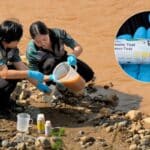
Deputy Gov. Norasak Suksomboon led provincial agriculture, commerce and milling officials alongside researchers from Rajamangala University of Technology Lanna to collect grain samples at the Mae Sai Agricultural Cooperative. Preliminary laboratory results are due Friday, Nov. 20, a critical deadline to restore market confidence during peak harvest.
Key Takeaways
- Chiang Rai authorities sampled Mae Sai rice on Nov. 17 after social media rumors triggered buying halts from central Thai traders.
- University researchers are screening grains against international Codex limits, with initial findings scheduled for release Nov. 20.
- Provincial officials stressed that treated tap water remains safe and separate from raw river contamination linked to upstream mining.
Market Freeze Hits Peak Rice Harvest
Online rumors of heavy-metal contamination have stalled grain trading across multiple collection points. Chiang Rai Rice Millers Club President Natchanon Suriyakraikul said local mills remain ready to buy paddy, but buyers from central Thailand refuse shipments without formal safety certificates. Private lab checks already cleared initial samples, Norasak noted, yet officials need accredited data to counter undocumented claims.
Assistant Professor Kanokphong Srithiang of Rajamangala University of Technology Lanna said scientists are testing samples against Codex Alimentarius food safety standards, which cap inorganic arsenic at 0.2 milligrams per kilogram for polished white rice and 0.35 milligrams for brown rice. Labs will screen total arsenic first and run chemical speciation tests on any batch exceeding thresholds.
Upstream Mining Fuels Contamination Fears
The market panic stems from an escalating transboundary river pollution crisis along northern Thailand’s border. Throughout 2026, unregulated rare-earth and gold mining in Myanmar’s neighboring Shan State has discharged toxic tailings into the Sai, Kok and Ruak river basins, driving raw-water arsenic levels up to 28 times above safety limits.
Because these waterways irrigate roughly 16,000 hectares of northern farmland, recent soil and grain monitoring detected localized heavy-metal accumulation in flooded riverside paddies. That broader environmental alarm spilled onto social media this week, sparking fears over Mae Sai’s broader harvest and public utilities.
Norasak urged residents not to conflate polluted river water with municipal supplies, confirming that Provincial Waterworks Authority tap water meets treatment standards. Once Friday’s lab results arrive, officials will brief traders directly to reopen stalled buying channels.
Trending News:
Arsenic Could Linger 100 Years in Chiang Rai’s Sai River
Mae Sai Farmers Demand Action on Toxic River Water