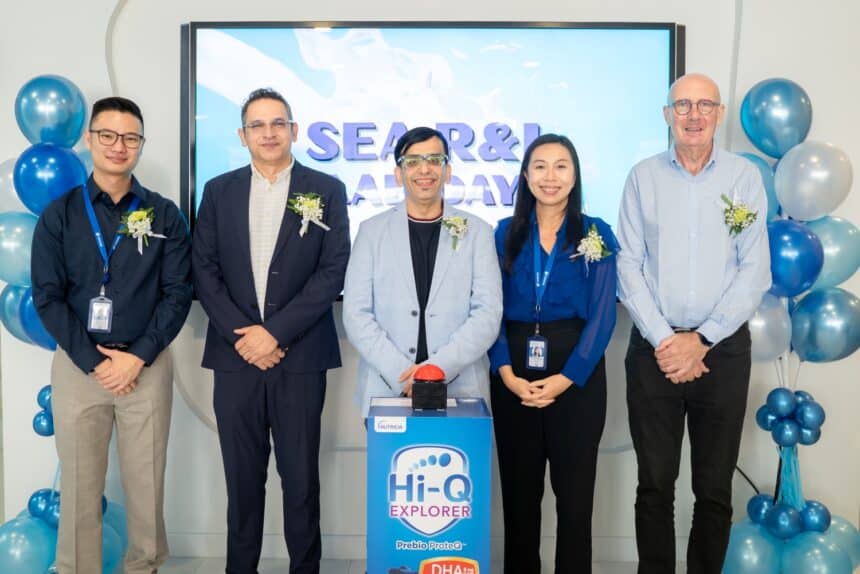
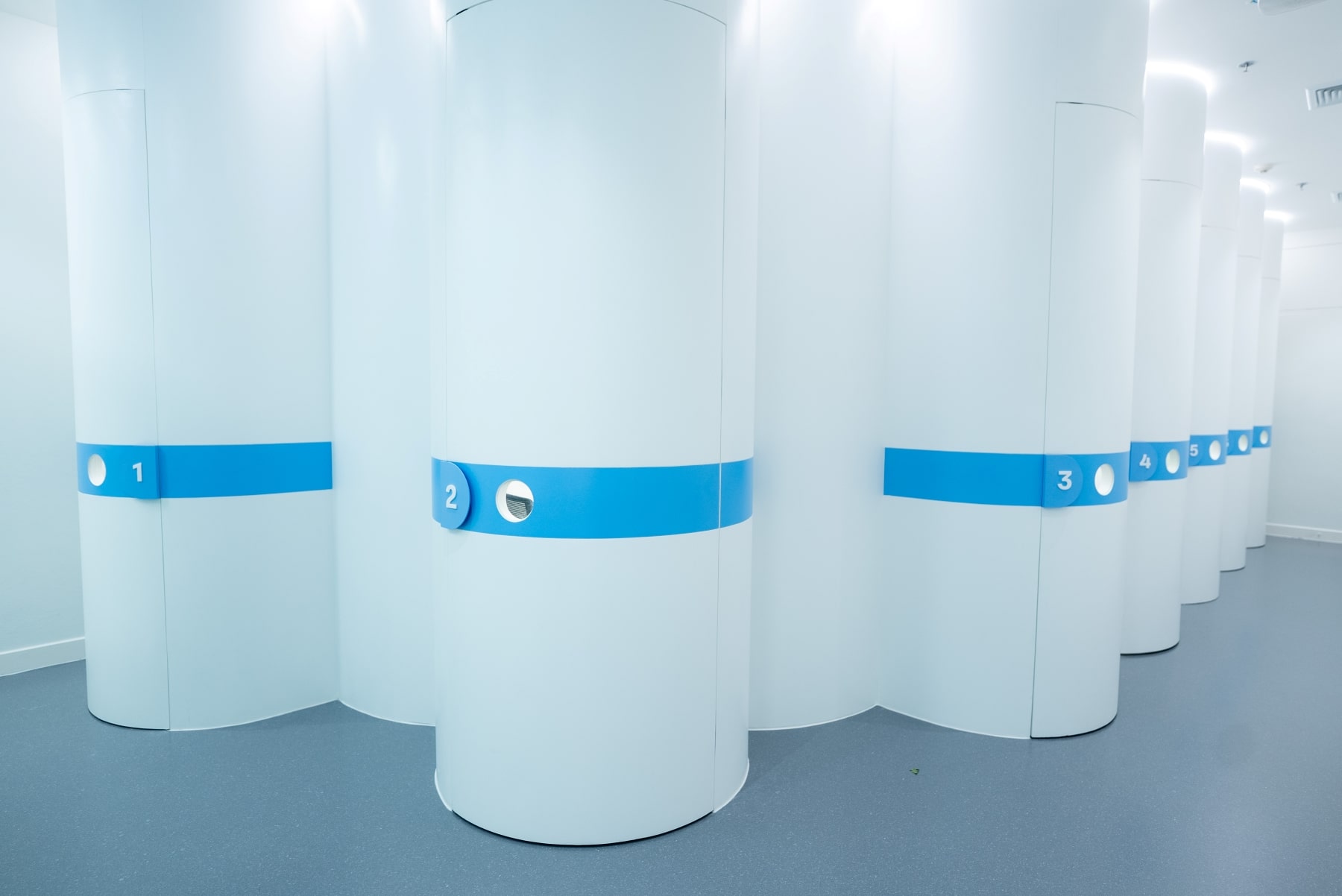
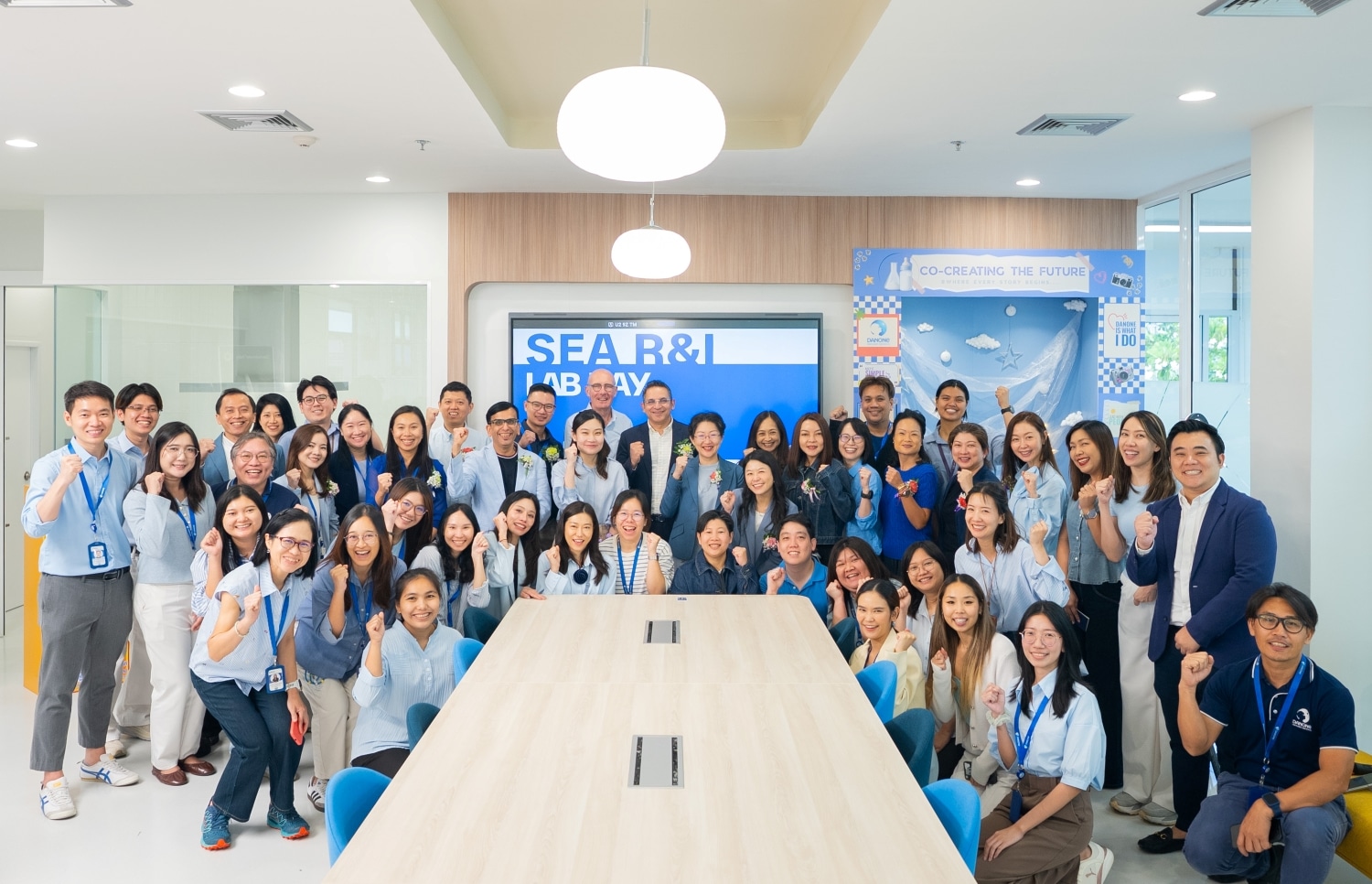
BANGKOK – Nutrition innovation in Thailand begins with a clear understanding of people’s nutritional needs, health priorities, and daily experiences. Danone has upgraded the Consumer Experience Space at its Southeast Asia (SEA) Research & Innovation (R&I) Application Lab in Thailand, giving regional teams more capacity to gather consumer feedback and apply those insights to nutrition products for Southeast Asia.
Key takeaways
- The upgraded Consumer Experience Space can accommodate 40% more simultaneous consumer evaluations.
- The lab assesses product preferences across formats, flavors, aroma, texture, and eating or drinking occasions at different life stages.
- Its work includes sensory research, product and process development, packaging assessment, transport testing, and climate simulation.
- The lab connects Danone’s global R&I expertise with knowledge of consumer and patient needs in Southeast Asia.
Turning consumer insights into product development
Danone’s SEA R&I Application Lab links the region with the company’s global research and innovation network. That network draws on science as well as insights from consumers and patients, bringing expertise in nutrition, health, science, and technology closer to Southeast Asia.
The Thailand lab combines that global knowledge with an understanding of local needs. As a result, teams can use consumer and patient insights to guide the development of nutrition solutions suited to people in the region.
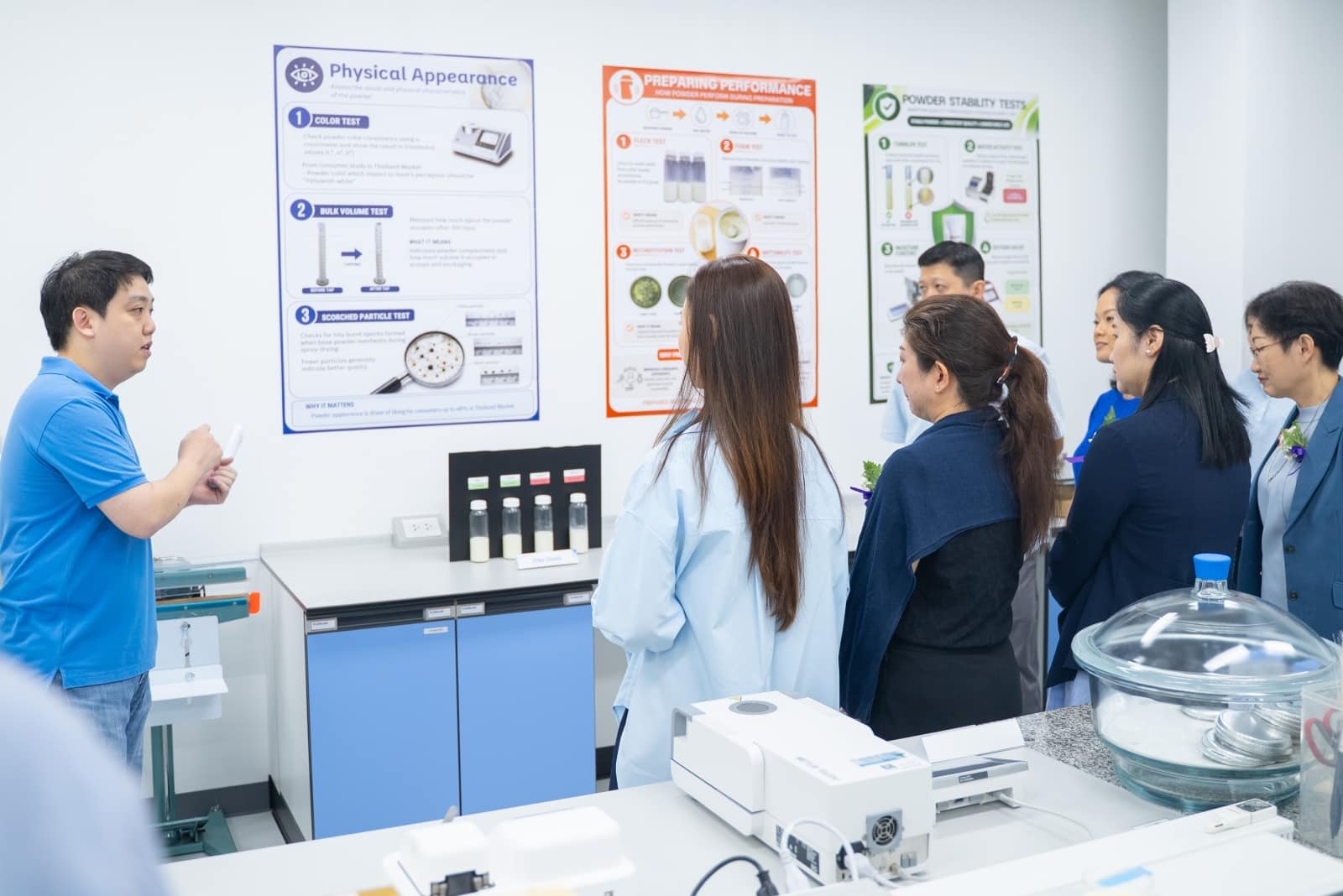
The upgraded Consumer Experience Space increases the number of consumers who can take part in product evaluations at the same time by 40%. This added capacity allows teams to assess more products and collect broader feedback. Participants can evaluate different product formats, flavors, aromas, and textures, as well as products intended for different consumption occasions and life stages.
The lab’s work also reaches beyond taste and sensory testing. Teams assess product and process development, packaging, transport conditions, and climate simulations. These activities help Danone review product quality and performance before products reach families through brands such as Hi-Q Plus, Dumex Dugro, and Aptamil KID.
Sonjai Uppal, Research & Innovation Director for Danone Southeast Asia, said the upgraded lab brings sensory research, scientific expertise, and co-creation capabilities closer together. The expanded setup helps teams understand consumer needs, work across areas of expertise, and use research insights to develop products relevant to Southeast Asia.
Uppal also said the lab works with manufacturing and quality teams to check that products align with consumer needs and expectations across the region.
Local needs guide nutrition innovation
The lab’s research and development work takes account of health and nutrition priorities in Southeast Asia. These include iron deficiency anemia, stunting, and the nutritional foundations associated with immunity and healthy brain development.
These priorities help guide the development of nutrition solutions for consumers and communities as their needs change. Regional insight also helps Danone consider how products fit into everyday experiences across different ages and life stages.
The SEA R&I Application Lab is part of Danone’s wider innovation network in Southeast Asia. In Singapore, the Danone Digital Lab adds capabilities in digital science, data analytics, and AI-enabled health innovation. Danone’s investment in research and innovation across Asia also includes its Research & Innovation Center in Shanghai, which the company recently inaugurated.
By linking global scientific expertise with regional consumer understanding, Danone’s teams can develop nutrition solutions with Southeast Asian needs in mind. The network also shares learning from the region with Danone’s broader R&I teams.
About Danone
Danone is a global food and beverage company with three health-focused business categories: Essential Dairy & Plant-Based products, Waters, and Specialized Nutrition. Its “One Planet One Health” vision reflects the company’s belief that human health is connected to the health of the planet and the well-being of communities.
Danone’s brands and supply chains give the company opportunities to support the health of consumers, communities, and the planet. Its Danone Impact Journey sets sustainability priorities across Health, Nature, and People & Communities. The program covers the company’s value chain, including farmers and their communities, brands, consumers, and families.
Danone is among the first multinational companies to receive global B Corp™ certification. The certification reflects the company’s commitment to measuring its nutritional, social, societal, and environmental impact.
Danone in Thailand
Danone Specialized Nutrition Thailand has been part of the Thai community for more than 65 years. The company supports nutrition and health at different stages of life through a portfolio that includes early-life nutrition, products for children with specific nutritional needs, everyday plant-based nutrition, nutrition for healthy aging, and hydration products.
In Thailand, Hi-Q Plus and Dumex Dugro support early-life and childhood nutrition. Danone also offers specialized nutrition products for children with specific nutritional needs. Alpro plant-based beverages are part of its everyday nutrition range, while Souvenaid is for adults with specific nutritional needs. Hydration brands include Evian and B’Lue, offered through Danone’s partnership with SAPPE.
Across these categories, Danone draws on nutritional and scientific expertise to support consumers and patients at different life stages. Its long-term commitment to Thailand includes investment in local talent and infrastructure.
The Bangplee site in Samut Prakan province is a regional supply point and supports innovation activities across Southeast Asia. Danone Thailand has held B Corp certification since 2021, reflecting its commitment to measurable nutritional, social, societal, and environmental impact.
Frequently asked questions
What did Danone upgrade in Thailand?
Danone upgraded the Consumer Experience Space at its Southeast Asia R&I Application Lab in Thailand. The space gives teams more capacity to conduct consumer evaluations and gather product feedback.
How much has consumer-evaluation capacity increased?
The upgraded space can support 40% more simultaneous consumer evaluations.
What do consumers evaluate at the lab?
Evaluations cover different product formats, flavors, aromas, and textures. Teams also consider consumption occasions and needs across life stages.
What kinds of testing take place beyond sensory evaluation?
The lab supports product and process development, packaging assessment, transport testing, and climate simulation. These activities help teams review product quality and performance before products reach consumers.
Which Southeast Asian nutrition priorities inform the lab’s work?
The priorities include iron deficiency anemia, stunting, and nutrition related to immunity and healthy brain development.
How does the Thailand lab connect with Danone’s other R&I capabilities in Asia?
The SEA R&I Application Lab is part of Danone’s broader innovation network. The Danone Digital Lab in Singapore focuses on digital science, data analytics, and AI-enabled health innovation, while Danone’s Research & Innovation Center in Shanghai adds to the company’s R&I capabilities across Asia.