Last Updated on October 10, 2026 by Jeff Tomas
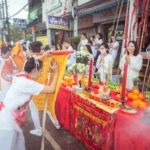
PHUKET – Food can be meat-free and still not count as Jay Food. During Thailand’s Vegetarian Festival, jay cooking avoids meat, seafood, eggs, dairy, and certain pungent vegetables, while fish sauce, shrimp paste, or oyster sauce can hide in dishes that otherwise look plant-based.
The exact customs can vary, so knowing what to ask about helps you choose food that fits the observance. This guide to Thailand Vegetarian Festival rules and food provides more context; next, let’s look at the ingredients jay cooking leaves out and how to spot hidden seasonings.
Key Takeaways
- Jay food excludes meat, seafood, eggs, dairy, and other animal-derived ingredients, including fish sauce, shrimp paste, and oyster sauce.
- Traditional jay cooking also avoids five pungent vegetables: garlic, onion, shallot, leek, and chives, as outlined by The Food School’s festival guide.
- A meat-free dish may still contain hidden animal seasonings, so check sauces, curry pastes, and toppings before ordering.
- The word vegetarian does not always mean jay. Look for the red เจ character on a yellow flag, then confirm ingredients with the vendor.
- Customs can vary by stall and region. For local festival context, see this Phuket Vegetarian Festival guide.
Jay Food: What Vegetarian Festival Cooking Excludes
Jay cooking follows a stricter set of rules than simply leaving meat off the plate. During the Vegetarian Festival, ingredients and cooking methods both matter, so a dish can look plant-based and still fall outside the tradition.
Meat, seafood, eggs, and dairy are all off the menu
Strict jay excludes meat of any kind, including poultry, along with fish and other seafood. Cooks also avoid eggs, milk, cheese, butter, and other dairy products. Animal fats, such as lard, and broths made from meat or seafood are excluded as well.
That means removing visible meat from a dish does not make it jay. A vegetable soup cooked in chicken stock still contains an animal-derived ingredient, just as noodles stir-fried in pork fat do. Fish sauce, shrimp paste, and oyster sauce can also make an otherwise meat-free dish unsuitable. When ordering, ask about the broth, oil, and sauces, not just the toppings.
Garlic and other pungent alliums are also excluded
Jay cooking traditionally avoids a group of pungent vegetables, often called the five pungent vegetables. Commonly listed examples include garlic, onion, shallot, Chinese chive, and leek. Some lists name spring onion or other ingredients instead, so no single English-language list should be treated as a universal legal standard. The academic article “Eating Like a Buddhist” discusses jay foodways and their exclusions.
These ingredients can be easy to miss because they often appear in curry pastes, dipping sauces, and stir-fry bases rather than as visible pieces. If you’re following jay strictly, ask whether a dish contains the pungent vegetables used in that kitchen. Festival stalls marked with a yellow flag and red เจ character can help you identify food offered as jay, but checking ingredients is still useful. For a closer look at regional customs, see this guide to Phuket Vegetarian Festival food rules.
Jay is stricter than ordinary vegetarian or vegan food
“Vegetarian” and “vegan” describe broad dietary categories, while jay also follows religious food customs. A plant-based stir-fry made with garlic may be vegan, but it does not meet jay rules. In the other direction, a meat-free soup made with fish sauce is not jay because the seasoning comes from seafood.
So the key distinction is both ingredients and preparation. When a menu says “vegetarian,” don’t assume the dish is jay. Tell the vendor you’re looking for jay food and ask about hidden seasonings or shared cooking ingredients if you need to follow the observance closely.
Why jay food rules are part of the Vegetarian Festival
Jay food is part of a religious observance, not simply a menu choice. During the Vegetarian Festival, eating according to jay rules can express devotion, discipline, and an effort to purify the body and mind. The practice has Chinese religious roots, and its meaning and details can vary among shrines and communities.
A food practice tied to faith and self-discipline
In Phuket, the festival is closely associated with the Nine Emperor Gods and the island’s Hokkien Chinese community. Local tradition links the observance to the Chinese opera performers who, according to the origin story, prayed to the gods and followed a strict vegetarian diet after falling ill in 1825. The story is part of Phuket’s cultural tradition, rather than a verified medical account. The island’s Phuket Vegetarian Festival guide offers more context on its customs and history.
Eating jay is one element of a wider period of religious discipline. For devotees observing the festival strictly, food choices can accompany prayer, ritual participation, and personal restraint. In that context, avoiding certain ingredients is a practice of faith, not only a way to eat plant-based food. The Phuket festival’s Nine Emperor Gods traditions are part of this broader religious setting.
The festival is not one uniform practice followed identically by every participant. Shrines and families may emphasize different customs, and some people observe the dietary rules more strictly than others. So it’s helpful to understand jay as a customary Chinese-influenced religious food practice, rather than labeling the whole event a Buddhist fast. This guide to Phuket Vegetarian Festival traditions also describes the festival’s religious setting.
Food rules are not the same as every festival custom
Jay rules define what goes into the food and how it is prepared. Other practices some devotees follow relate to personal conduct during the festival, rather than the ingredients in a dish. For example, participants may wear white as a sign of purity, avoid alcohol, or follow additional forms of restraint. Expectations can differ by shrine and community.
That distinction matters when you’re reading a label or asking a vendor about packaged food. Wearing white or abstaining from alcohol doesn’t determine whether a product is jay; its ingredients and preparation do. A package marked as vegetarian may still contain an ingredient excluded from jay cooking, so check the label or ask the seller when you need to know.
How to spot hidden ingredients in festival food
At festival stalls, dishes may look meat-free while sauces, soup bases, or cooking methods add ingredients that jay cooking excludes. Ask clear, specific questions before ordering, and check packaged foods instead of relying on a general “vegetarian” label.
Check sauces, soup stock, and seasoning powders
Sauces and premade mixes are easy to overlook. Fish sauce, oyster sauce, shrimp paste, meat stock, and meat- or seafood-flavored seasoning powders can appear in noodles, stir-fries, soups, and dipping sauces. A vendor may remove visible meat but still use one of these ingredients in the cooking.
Ask whether the broth is vegetable-based and whether the sauce or seasoning contains fish, shellfish, meat, or animal extracts. If the cook uses a powdered mix, ask what flavor it is and whether it contains meat or seafood. For context on stall signs and ordering, see this guide to Thailand’s jay food rules.
Look for the เจ mark and read the label
A yellow flag or sign with red เจ is a useful clue that a stall offers jay food. However, when buying packaged items, read the ingredient list too. “Vegetarian” on its own doesn’t confirm that a product follows jay rules, which also exclude ingredients such as garlic and onion.
Plant-based seasonings, jay soy sauce, and mushroom sauce can add savory flavor without animal products. Still, recipes and labels vary, so check for fish sauce, oyster sauce, shrimp paste, animal stock, and meat- or seafood-flavored powders. The red เจ symbol and yellow flag can help you identify jay options, but the product label gives you details about what’s inside.
Ask about cooking oil and shared kitchen tools
Before ordering, ask whether the cook uses animal fat, such as lard, and whether the dish contains garlic or onion. These questions help catch ingredients that may not appear as obvious pieces of food. You can also ask whether the vendor prepares the dish in a separate pan with clean utensils.
Shared equipment matters to people following stricter observance, especially if a wok, knife, or serving tool has touched excluded ingredients. Kitchen practices differ by vendor, so don’t assume every stall handles food the same way. A simple request, such as “Can you make this jay, with vegetable oil and clean utensils?” gives the cook a clear way to respond.
Frequently Asked Questions
A few practical details can make it easier to tell whether a dish fits jay customs. When ingredients or preparation are unclear, ask the cook before ordering.
Does jay food contain garlic?
Customary jay cooking excludes garlic, along with other pungent alliums such as onion, shallot, leek, and chives. These ingredients may be blended into curry pastes or sauces, so you might not see them in the finished dish. Lists and observance can vary, so check with the cook if you follow the rules strictly.
Can I eat jay food if I am vegan?
Often, yes. Jay food avoids animal ingredients, so it commonly fits a vegan diet; however, a dish labeled vegan may still contain garlic or onion, which customary jay cooking excludes. If you’re ordering in Thailand, this guide to Thai dishes and vegetarian swaps can help you ask about ingredients.
Is food labeled vegetarian automatically jay?
No. Vegetarian food may contain eggs or dairy, and some dishes use garlic, onion, or animal-based sauces. Look for a yellow sign or flag marked with the red เจ character, then ask about the ingredients, especially if the vendor’s meaning of “vegetarian” isn’t clear.
Can jay food include fish sauce or shrimp paste?
No. Fish sauce and shrimp paste come from animals, so customary jay cooking excludes them, even when a dish contains no visible meat. Ask about sauces, curry pastes, and seasoning mixes, since these can add animal-derived ingredients to food that otherwise looks plant-based.
Do visitors have to follow jay rules during the festival?
Visitors generally aren’t required to follow the jay diet just because they attend a festival. Devotees may observe it as part of their religious practice, alongside other customs, while visitors can choose whether to participate. Practices can differ by shrine, so follow posted guidance and ask respectfully before entering a religious space.