



Last Updated on September 27, 2026 by Jeff Tomas
PHUKET – Vegetarian street food, shrine rituals, and processions fill Phuket’s streets during one of the island’s most vivid annual events. Rooted in Phuket’s Chinese-Thai community, the festival combines religious observance with lively public celebrations, so it helps to know what you’re seeing and how to take part respectfully.
This guide explains what happens, where to go, and how to be a considerate visitor. Start with this Phuket Vegetarian Festival guide for a closer look at the festival’s traditions.
Key Takeaways
- The Phuket Vegetarian Festival centers on Chinese-Thai religious traditions, with shrine ceremonies and public processions across the island.
- In 2026, the festival runs October 10-18; check the Tourism Authority of Thailand’s event listing for current details.
- Phuket Town is a main area for processions, while yellow flags help identify stalls serving vegetarian jay food.
- Expect loud firecrackers and crowded routes. Wear closed-toe shoes, keep a safe distance, and follow shrine staff’s instructions.
- Give worshippers room, avoid touching ritual objects, and ask before photographing participants. Find more practical context in this guide to exploring Phuket.
What to Expect at the Vegetarian Festival in Phuket
For nine days, Phuket’s Chinese-Thai community observes a Taoist festival through shrine ceremonies, vegetarian abstinence, and processions. Visitors will also find busy food stalls and public rituals, but the religious observances come first.
Why the festival is tied to the ninth lunar month
The festival follows the first nine days of the ninth month in the Chinese lunar calendar. Since lunar dates shift against the Gregorian calendar, the festival falls on different dates each year.
In 2026, the main festival days are October 10-18. The Go Teng opening pole-raising is scheduled for the evening of October 9, while closing rites may continue through the night of October 18-19. Some schedules count these ceremonial bookends as part of the event, so details can vary. Check local shrine announcements before you go, as schedules may be updated. Jamie’s Phuket schedule provides a day-by-day reference.
The festival is also known as the Nine Emperor Gods Festival. In Taoist tradition, devotees invite these deities to visit and seek purification, protection, and good fortune. Beliefs differ among communities and worshippers, so it’s best to understand the rituals as expressions of faith rather than assume every participant shares the same interpretation.
How the Go Teng ceremony and shrine rituals begin
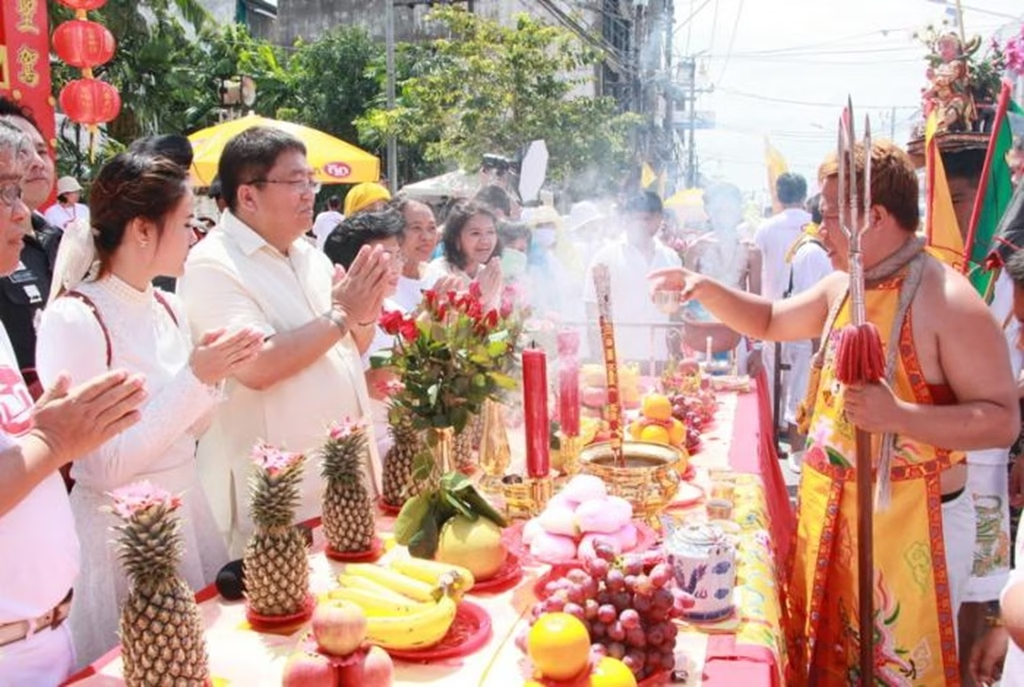
The Go Teng ceremony formally opens the festival. Participating shrines raise tall lantern poles to invite the Jade Emperor and the Nine Emperor Gods. The poles signal that the sacred observance has begun, and later shrine ceremonies continue the invitation and welcome.
During the festival, devotees follow a vegetarian observance called jay. For many, it includes avoiding meat and certain other ingredients as an act of discipline and devotion. Yellow flags often identify food stalls serving jay dishes, so visitors can sample the cuisine while respecting the practice. For a food-focused look at the event, see this guide to Phuket Vegetarian Festival street food.
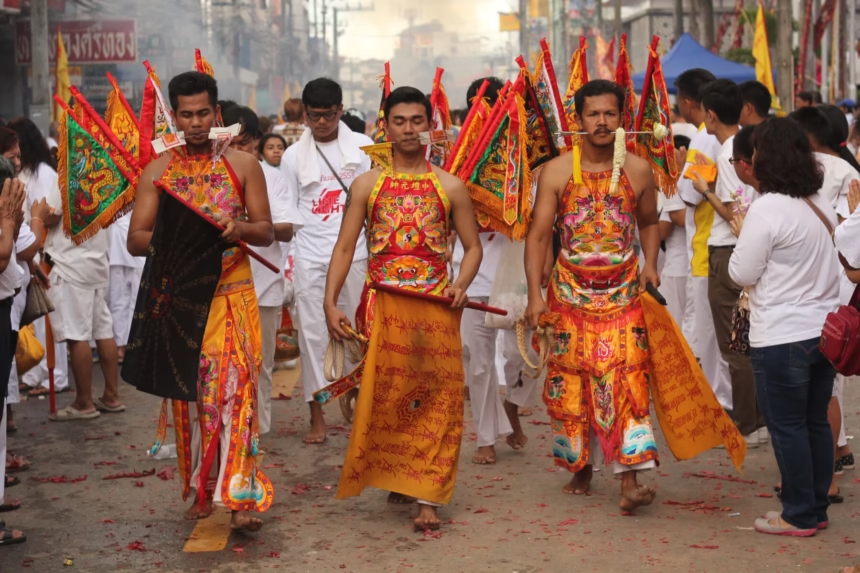
Shrines also host prayers and rites, while processions move through public streets. These can draw crowds and attract attention, but they remain religious ceremonies, not staged shows. Watch from a respectful distance, follow shrine staff’s directions, and avoid interrupting worshippers to take photos.
Where to See Phuket’s Processions, Shrines, and Firewalking
Festival activity centers on Phuket Town and Old Phuket Town, but participating shrines and communities are spread across the island. You don’t need to follow every event: choose a procession or shrine that fits your interests, then check the latest local schedule before setting out.
Which shrines and neighborhoods are worth visiting
In Phuket Town, Jui Tui, Bang Neow, and Sui Boon Tong are major places to see shrine activity and join the crowds along procession routes. Sam Kong, home to Lim Hu Tai Su Shrine, is also close to town. Together, these locations make a practical choice if you want to stay near the island’s main urban festival activity.
Outside the center, Kathu offers a look at festival observances in a distinct local community. Sapam and Tha Rua, also called Baan Tha Rue, hold their own processions and shrine events farther from Phuket Town. The schedule assigns different days to different shrines, so check the current Phuket Vegetarian Festival schedule before traveling. Some routes and ceremony times can change, and traffic may slow trips between communities.
What happens during morning processions and evening rituals
Processions travel through local streets, often leaving shrines between 6:00 and 8:00 a.m. Exact start times depend on the shrine and the day. You may hear drums, music, chanting, and firecrackers as participants move along the route. Arrive early, stay behind barriers or at the edge of the crowd, and follow directions from shrine volunteers and event staff. For more on the religious customs behind these events, see this guide to Phuket festival rituals and street parades.
Firewalking is held at selected shrines on particular evenings, including sites such as Sapam, Kathu, Bang Neow, and Baan Tha Rue. These events don’t necessarily happen on the same night as each shrine’s main procession, and public access can vary. Confirm the details locally rather than relying on an old schedule. If crowds or intense rituals aren’t for you, you can still visit a shrine courtyard or watch a procession from a less crowded stretch of the route.
Why Saphan Hin matters on the final night
Saphan Hin, a public park and waterfront area in Phuket Town, is the focus of the festival’s closing send-off rites. The ceremony draws large crowds and may continue late into the night, with loud firecrackers and busy roads around the site. Arrive early if you plan to attend, allow extra time for traffic, and follow event staff directions. As the crowd builds, leave open space around the ceremony and avoid blocking routes used by participants.
What to Eat During Phuket’s Vegetarian Festival
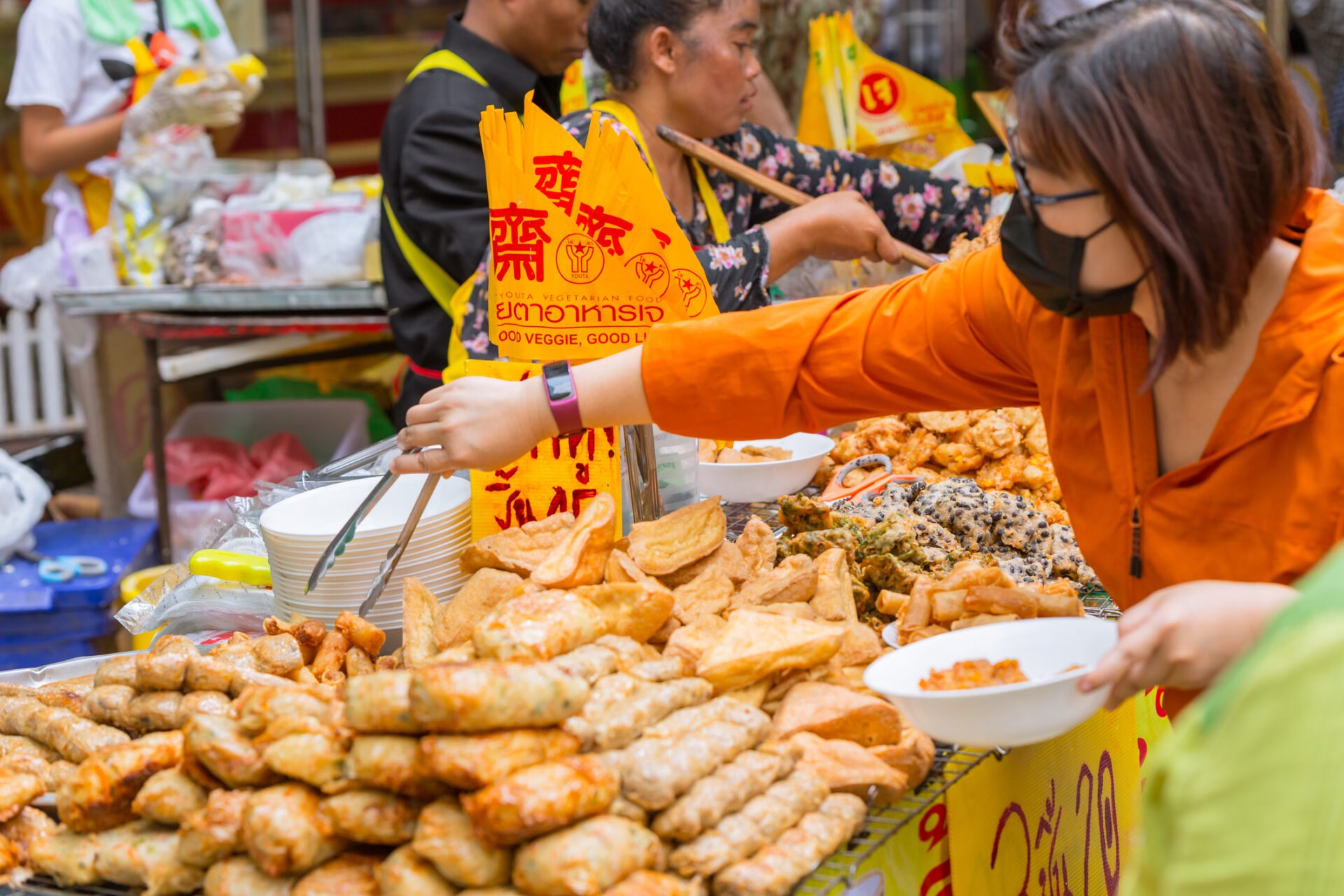
Festival food is one of the easiest ways to experience the event, with stalls selling noodles, tofu, mock meats, fried snacks, and sweets. Look for jay signs, then ask how each dish is prepared: recipes and ingredients can vary from stall to stall.
How to spot jay food and choose dishes
Yellow flags, often printed with the red character เจ, commonly identify jay food. This stricter Buddhist-style vegetarian practice excludes meat, seafood, eggs, dairy, and pungent plants such as garlic and onions. Many dishes are also vegan, though it’s still sensible to confirm ingredients rather than assume every vegetarian-looking item follows jay rules. This guide to Thailand’s vegan festival explains the meaning of the yellow flags and jay signs.
You may see stir-fried noodles, vegetable spring rolls, fried tofu, mushroom dishes, and soy-based mock meats. Some stalls also sell Thai sweets and snacks, so there are options beyond a full meal. If you’re used to Thai food, expect familiar flavors adapted without fish sauce or other animal ingredients. For more ideas on local dishes and vegetarian swaps, browse this Thailand food guide.
Ask the vendor what goes into a dish and how spicy it is, especially if you have allergies or dietary needs. Shared woks, sauces, and utensils can matter, so explain your restriction clearly and confirm before ordering.
Where to find festival food in Phuket Town
During the festival, street stalls cluster around Phuket Town and Old Phuket Town, especially near active shrines and procession routes. Ranong Road is a busy area to look for food, and stalls also gather around shrine courtyards. At the closing events, you may find vendors near Saphan Hin, where crowds come for the final send-off.
Bring cash, since it remains the easiest way to pay at many stalls, and expect lines during peak meal times. Choose an active stall where food is cooked or served fresh; a steady queue can also help you spot popular vendors. Keep an eye on the surrounding crowds and procession activity while you eat, particularly near shrine routes.

How to Plan a Respectful and Safe Festival Visit
A little planning makes it easier to enjoy the Phuket Vegetarian Festival without getting in the way of worshippers. Processions and ceremonies follow shrine schedules, but crowds and road conditions can change quickly, so leave room to adjust your plans.
Plan Around Crowds, Early Starts, and Road Closures
Processions often start early, sometimes before 7 a.m., and can close or slow streets along their routes. Around Phuket Town, that may mean rerouted traffic and delays for taxis and private cars. Check the latest 2026 festival schedule before choosing a procession, then allow extra time to reach the area.
Crowds are usually thickest at major processions and at opening or closing rites. If you want to watch, arrive early and choose a spot at the edge of the route rather than pushing toward the front. Walking can be the easiest way to get around Old Phuket Town when roads are busy, but stay alert for vehicles and follow barriers or staff directions.
Watch Rituals With Care and Respect
The festival is a religious observance, and some rituals are intense. Smoke, incense, firecrackers, loud music, and dense crowds are common. If those conditions feel overwhelming, step away or choose a quieter shrine visit instead.
Near shrines, dress modestly and follow any posted rules. Keep a respectful distance from mediums and ritual activity, and never touch participants or ceremonial objects. If you take photos, avoid blocking the procession or interrupting worshippers; ask permission before photographing someone up close.
Shrine staff and event security can tell you where visitors may stand and when an area is off-limits. Follow their directions promptly, especially when a procession is moving or crowds begin to press together. Comfortable shoes and water can help during long waits, while ear protection may be useful if you plan to watch near firecrackers.
Frequently Asked Questions
A few practical details can make it easier to plan your visit and decide which events feel right for you. Keep in mind that shrine customs and schedules can vary, so follow local signs and staff instructions.
Is the Phuket Vegetarian Festival free to attend?
Yes. Public processions and viewing are generally free, and visitors don’t need tickets to watch events from public streets. You’ll still need to budget for food, drinks, and transportation; festival crowds can also slow trips around town. For practical advice on getting around, see these Phuket transport and road safety tips. Shrine courtyards may have their own access rules, so check signs and ask before entering restricted areas.
Do I have to follow the vegetarian fast as a visitor?
No. Visitors aren’t generally expected to observe the jay fast, which is a devotional practice for participants. However, respect those who are fasting by keeping meat and alcohol out of shrine spaces where festival rules prohibit them. If you’re unsure whether you can eat inside a shrine, ask a staff member or volunteer first. You can also choose jay food at festival stalls without treating the fast as a requirement.
Are the festival dates the same every year?
No. The festival follows the Chinese lunar calendar, so its dates shift from year to year on the Gregorian calendar. In 2026, the main festival dates are October 10-18, but procession times and shrine schedules vary. Before booking, check the Tourism Authority of Thailand’s event listings and local shrine announcements for the year you plan to visit.
Are the processions and body-piercing rituals suitable for children?
Some events may be upsetting or overwhelming for children. Processions can bring loud firecrackers, smoke, tight crowds, and graphic sights, especially near piercing rituals. If you go with children, choose a less crowded spot at the edge of the route, keep them close, and explain that the ceremony is religious. Leave promptly if anyone feels uncomfortable, and consider a quieter shrine visit instead.
Can I take photos during ceremonies?
Photography rules vary by shrine and ritual, so look for signs and ask before taking pictures, especially inside a shrine or near participants. Never use flash on a medium, step into a procession, or block worshippers to get a shot. If staff or participants ask you to stop, put your camera away. A respectful distance often makes for better photos and gives everyone room to take part in the ceremony.


