



Last Updated on October 10, 2026 by Jeff Tomas
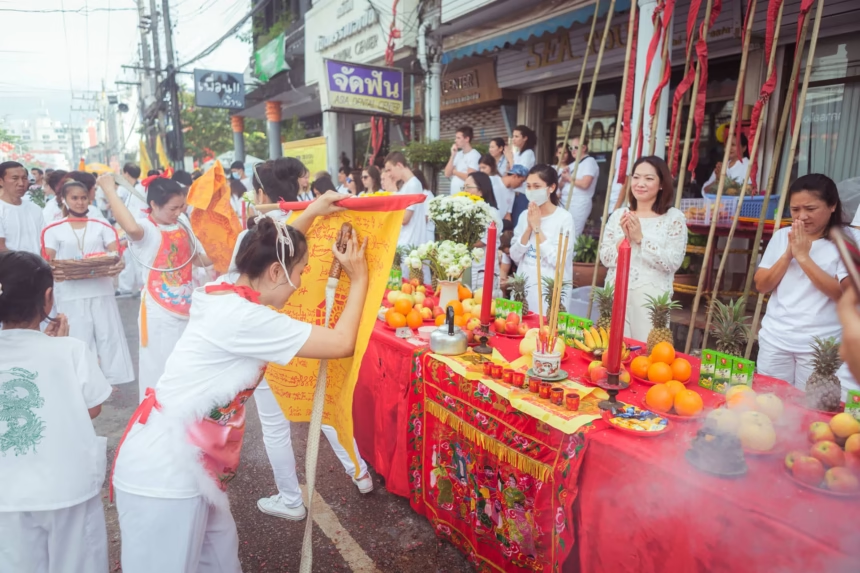
Incense drifts past sizzling food stalls while white-clad devotees gather for ceremonies during Thailand’s Vegetarian Festival. Faith, food, and lively street life share the same space, but devotion gives the celebration its purpose.
Also known as the Nine Emperor Gods Festival, this observance has different customs across Thai Chinese communities. You can enjoy its food and public events without becoming a religious participant, provided you respect the people who are observing it.
Start with the festival’s meaning and dates, then learn what participants commit to, how to recognize suitable food, and how to attend respectfully.
Key Takeaways
- Phuket’s opening ceremonies begin October 9, 2026; the nine main festival days run October 10 through 18.
- Devotees commonly avoid meat and alcohol, wear white, and practice respectful conduct, although individual commitments vary.
- Jay food follows religious dietary customs, so an ordinary vegetarian dish may contain unsuitable ingredients or seasonings.
- Yellow jay signs help identify stalls, but dietary restrictions and allergies still require direct questions.
- At shrines and processions, follow staff instructions, give participants space, and ask before photographing rituals.
Thailand’s Vegetarian Festival: What It Celebrates and When It Happens
The festival brings together religious observance, community gatherings, and temporary food stalls. Although visitors often notice the meals first, dietary restraint belongs to a broader practice of purification and devotion.
The Nine Emperor Gods tradition
The Nine Emperor Gods tradition has Taoist associations and a strong place in Thai Chinese communities. Phuket’s celebration reflects the island’s Hokkien heritage, with shrines organizing ceremonies and devotees making personal commitments.
Accounts of how the festival developed differ between communities. Rather than treating one origin story as definitive, recognize that local histories and shrine traditions shape each celebration.
Food restrictions are part of this religious practice. For participants, choosing a suitable meal goes alongside care with behavior and speech. Meanwhile, visitors encounter a public celebration whose meaning reaches beyond the crowded streets.
Phuket’s 2026 festival dates
The festival follows the ninth lunar month, so its Gregorian calendar dates change each year.
In Phuket, opening ceremonies begin October 9, 2026. The Go Teng pole-raising ceremony opens the observance and marks an invitation to the gods. The nine main days run October 10 through 18, as confirmed in TAT’s 2026 festival announcement.
Keep the opening date separate from the nine-day period when planning your visit. Also, check individual shrine programs: other locations can follow different schedules, and ceremonies won’t all happen at the same time.
The Festival Rules: What Participants Are Asked to Do
Devotees undertake religious commitments. Visitors have a different responsibility: respect those commitments without assuming every participant follows an identical set of rules.
Common commitments for devotees
Many participants avoid meat and alcohol, wear white, and keep their conduct, speech, and thoughts respectful. These commitments extend beyond what appears on a plate.
Strict observers also abstain from animal-derived products. That can exclude eggs, dairy, fish sauce, shrimp paste, and animal-based stock, even when a dish contains no visible meat.
Jay practice also excludes certain pungent plants. Garlic and onion are common examples; some guidance also names chives. However, ingredient restrictions and personal observances vary, so follow the guidance of the relevant shrine.
Cassia’s explanation of jay dietary customs describes a vegan diet that also excludes strong-smelling vegetables. That distinction matters when choosing between a general vegetarian menu and festival food.
How to Check That Festival Food Is Truly Jay
Look for yellow signs or flags displaying เจ, the Thai lettering for jay. They’re a useful starting point, but you should still ask about the dish you’re ordering.
Confirm the ingredients, cooking oil, sauces, and stock. For strict dietary needs, also ask whether the vendor shares utensils or cooking equipment with other dishes.
Be direct about allergies. Saying “vegetarian” won’t communicate a peanut allergy, and saying “jay” won’t tell a cook that wheat or soy could make you sick. A written explanation in Thai can help when language is a barrier.
A yellow jay flag doesn’t certify an allergen-free kitchen or separate cooking equipment.
What to Eat During Thailand’s Vegetarian Festival
Festival stalls make familiar dishes with vegetables, tofu, mushrooms, and plant-based substitutes. Recipes vary, so confirm that your choice is jay rather than assuming every meat-free plate qualifies.
Street Snacks and Meals to Look For
Rice with vegetable curries is a practical meal when you’re hungry. Look at the trays before ordering: you can compare saucy vegetables, tofu dishes, and spicy stir-fries without committing to a large portion.
Stir-fried noodles offer another filling option. However, sauces and seasonings need checking because a vegetarian-looking noodle plate can still contain fish sauce or egg.
For snacks, try crisp spring rolls, fried tofu, or tofu satay where available. Spring rolls can have vegetable fillings, while satay brings a smoky grilled flavor and a rich sauce. Confirm the filling and sauce separately.
Small portions let you taste several stalls without wasting food. Alternate fried snacks with a rice meal or soup, especially if you’re spending several hours outside.
Plant-based meat dishes and sweet snacks
Mock meats appear in rice dishes and stir-fries, often made with soy or wheat-based ingredients. They can offer a chewy texture and absorb strongly flavored sauces, but they’re unsuitable for some allergies.
Herbal soups provide a lighter option alongside richer dishes. Ask about the broth before ordering, even when the visible ingredients are vegetables.
For something sweet, look for sticky-rice desserts or fried snacks where available. Coconut-based sweets may suit your needs, but check fillings and toppings rather than judging by appearance.
The 2026 Phuket festival food guide is useful for planning a food-focused visit. Once you’re at a stall, the vendor’s current ingredients matter more than any general description of a dish.
How to Experience the Festival Respectfully in Phuket
Phuket is a major place to experience the festival, with shrine ceremonies, food stalls, and street processions. The Phuket Vegetarian Festival guide provides context for the island’s shrine activity and visitor experience.
Plan around shrine programs and processions
Jui Tui Shrine is one of the named shrines in Phuket’s festival program. Its listed 2026 procession departure is October 16 at 8:00 a.m., but check for updates before traveling.
Street processions, known as iw keng, can affect traffic and access. Allow extra time, avoid arranging a tight onward connection, and keep entrances and procession routes clear.
Confirm exact times with the Tourism Authority of Thailand Phuket Office or individual shrines. A departure time doesn’t tell you when a procession will reach every street. Because shrine programs differ, choose the event you want to observe before deciding where to stand.
Give ritual participants space
Mah song are spirit mediums who take part in the religious rites. Some ceremonies include cheek piercing and other intense practices. Treat these as acts of devotion, without encouraging participants to pose or perform for your camera.
Keep your distance, never touch participants or ritual objects, and follow shrine staff. Ask before photographing people, deities, or ceremonies. If permission is unclear, put the camera away.
Wear practical closed shoes because streets can be crowded and littered with firecracker debris. Smoke and sudden noise can also be uncomfortable, so leave yourself room to step back.
Finally, don’t cross a procession for a better view. Let participants pass, even if that means missing a photograph.
Frequently Asked Questions
Can visitors take part in the festival?
Visitors can enjoy festival food and observe public events that welcome attendance. Eating jay for a meal doesn’t mean you’ve undertaken the full religious observance. If you want to participate more closely, ask shrine staff what’s appropriate rather than claiming commitments you don’t intend to follow.
Do I have to wear white to attend?
White is a common choice for devotees, but every visitor doesn’t have to wear it. Choose modest clothing at shrines and follow posted instructions. If you wear white, remember that your behavior still matters more than matching the crowd’s clothes.
Can I eat meat during the festival?
Abstaining from meat is a commitment for participants, not a rule imposed on every visitor. If you’re observing the festival yourself, follow the dietary guidance you’ve chosen. Otherwise, keep meat and alcohol away from shrine grounds and ceremonial spaces out of respect for those practicing abstinence.
Are all vegetarian dishes suitable for the festival?
No. Ordinary vegetarian meals may contain eggs, dairy, garlic, onion, or seasonings that don’t meet the relevant jay customs. Ask whether the specific dish is jay, then explain any additional dietary needs. A restaurant’s vegetarian section and its festival menu may follow different ingredient rules.
Attend With Curiosity and Respect
Thailand’s Vegetarian Festival brings food, faith, and public ritual together, but the meals belong to a larger observance. Understanding jay practice helps you choose food thoughtfully and recognize the commitments behind it.
Ask vendors clear questions, check shrine schedules, and let local guidance shape your visit. You don’t need to undertake every religious commitment to be a considerate guest.
The incense, crowded stalls, and white clothing will leave an impression. Giving devotees space and treating their traditions with care makes room for more than a memorable meal.


