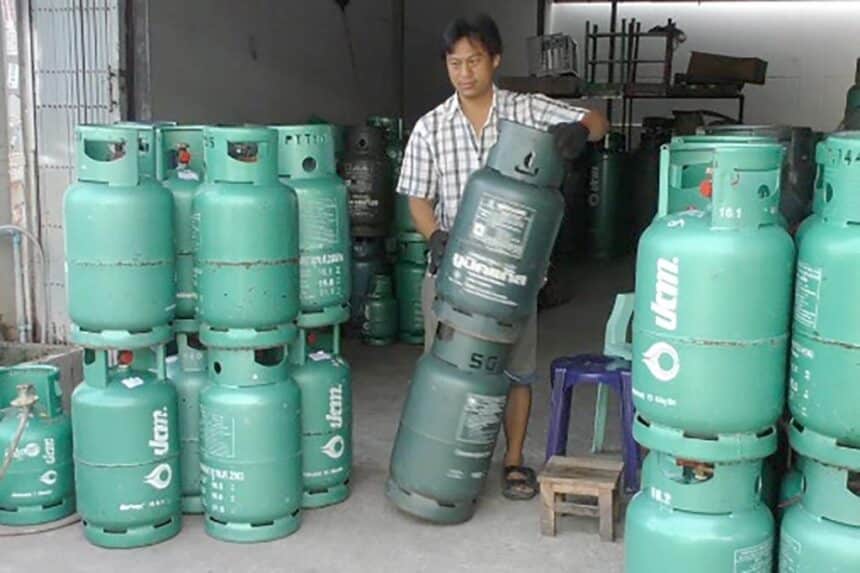
Replacing an empty cooking-gas cylinder in Thailand usually means exchanging it for a full one through a neighborhood gas shop or delivery service. The transaction is straightforward, but seller-specific terms affect the total cost.
When you’re exchanging household cooking-gas cylinders in Thailand, the size and brand of your existing cylinder matter. A first-time purchase can also include a separate cylinder charge or deposit. Start by separating the fuel purchase from the arrangement that lets you keep and use the cylinder.
Key Takeaways
- Household cooking gas usually follows an empty-for-full exchange through a local shop, delivery service, or brand dealer.
- A 15 kg cylinder is a common household option; Siamgas also lists 4 kg and 48 kg cylinders.
- Exchange acceptance, cylinder charges, and refundable deposits depend on the seller’s terms.
- The reported 423-baht price for a 15 kg cylinder was supported through October 31, 2026, rather than guaranteed indefinitely.
- Upright storage, ventilation, and professional help with connections reduce avoidable risks.
Exchanging Household Cooking-Gas Cylinders in Thailand: How It Works
The usual exchange involves handing over an empty cylinder and receiving a filled replacement. You normally pay for the gas rather than buying another container each time. A neighborhood gas shop, delivery driver, or brand dealer can handle the transaction.
The local cooking-gas options in Chiang Rai illustrate this approach. However, delivery coverage and exchange arrangements belong to individual sellers, rather than one uniform nationwide system.
What to tell the gas shop when you order
A clear order includes the cylinder size, the brand shown on it, your address, and whether you have an empty cylinder. A nearby landmark or soi name also helps the driver find the property.
Describe the order as an exchange when you’re returning an empty cylinder. If you’re starting without one, state that instead, because the price can involve more than fuel.
The useful figure is the complete delivered total. A clear quote separates the gas charge, delivery fee, and any cylinder purchase or deposit, rather than leaving those items unclear until arrival.
What if you do not have an empty cylinder?
Your first order may involve buying a cylinder or paying a deposit to use one. These are different arrangements, and the available evidence establishes no standard nationwide charge.
A receipt should distinguish the fuel payment from the cylinder charge or deposit. For a refundable deposit, the agreed refund conditions and return location are part of the arrangement.
Keep that paperwork. It records what you paid and helps distinguish a refundable payment from a nonrefundable purchase when you eventually stop using the supplier.
Choose the Right Cylinder Size and Seller
A 15 kg cylinder is a common household choice in Thailand. Meanwhile, Siamgas’s product information lists LPG cylinders in 4 kg, 15 kg, and 48 kg sizes.
That product range doesn’t mean every neighborhood shop stocks every size. Nor does it mean every seller accepts every brand of empty cylinder.
Check the cylinder label before agreeing to an exchange
Read the brand and stated gas capacity on your existing cylinder. A photograph of those markings can make the order clearer, particularly when you’re unfamiliar with the brand name.
The kilogram rating describes the LPG quantity, rather than the total weight of the steel cylinder and its contents. Therefore, a filled 15 kg cylinder weighs more than 15 kg altogether.
Cylinder color alone isn’t enough information for an order. The written brand and capacity give the seller a clearer description of what you have and what replacement you need.
Match the size to your cooking setup
A smaller cylinder may suit occasional cooking, while a larger supply can reduce replacement frequency. However, available space and the existing appliance connection also matter.
Moving to a different cylinder size isn’t simply a way to order more gas. It changes the container you’ll store and handle, so it belongs in a discussion with the supplier about your setup.
For a routine replacement, ordering the same stated size avoids an unnecessary change. The seller’s acceptance of your existing brand remains a separate part of the exchange agreement, even when both cylinders have the same capacity.
Check the Price, Delivery Fee, and Deposit Before You Pay
Thailand’s Energy Policy and Planning Office (EPPO) publishes official LPG price tables. Its household-cylinder data showed a 423-baht reference price for 15 kg cylinders across several brands.
The entries carried different dates. For example, PTT’s entry was dated March 1, 2023, while Siam Gas and Unique Gas entries were dated October 8, 2025. A table containing several brand names therefore doesn’t establish that every entry was updated together.
Understand what the dated benchmark covers
Nation Thailand reported that household LPG price support kept the 15 kg retail price at 423 baht through October 31, 2026.
That is a dated benchmark. It doesn’t establish an indefinite price or an all-inclusive home-delivery charge.
The distinction between the fuel benchmark and the amount paid at your door also appears in these LPG price details in Thailand. An exchange and a first-cylinder purchase aren’t equivalent transactions, even when they contain the same amount of LPG.
Compare equivalent orders
Delivery is separate from the fuel itself. Distance and the supplier’s service arrangements can affect the final amount.
Similarly, a refundable deposit shouldn’t be treated as another gas charge. It has a different purpose and depends on the agreed return conditions.
For a meaningful comparison, use the same cylinder capacity and transaction type. Comparing an exchange quote with a first-cylinder purchase makes one seller appear more expensive without explaining why. An itemized receipt preserves those distinctions after payment.
Handle Cylinder Exchanges Safely at Home
Routine exchanges still involve a flammable fuel and a pressurized container. Storage conditions, the cylinder’s condition, and the appliance connection deserve attention each time a replacement arrives.
Keep the cylinder upright and ventilated
Store the cylinder upright in a well-ventilated, accessible place, away from heat and flames. Avoid enclosing it in a poorly ventilated cupboard simply to keep it out of sight.
Hong Kong’s Electrical and Mechanical Services Department includes these precautions in its household LPG safety guidance. These are general safety practices, not a statement of Thai household law.
LPG is heavier than air, so low, enclosed spaces are a concern if gas escapes. Keep cylinders away from basement storage and drains, and leave enough access for the supplier to handle an exchange without moving unrelated household items.
Use the supplier for connections and returns
Use an authorized supplier or established brand dealer. Keep cylinder replacement and connection work within the supplier’s normal service rather than experimenting with unfamiliar fittings.
An exchange also provides a chance to notice visible damage to the replacement cylinder or connected equipment. Damaged parts require professional attention; a full cylinder doesn’t resolve a faulty regulator or hose.
For a suspected leak or uncertain connection, seek help from the supplier or local emergency services rather than attempting repairs yourself. Return empty or unwanted cylinders through the supplier instead of putting them in household rubbish.
Keep the supplier’s contact details with your household service information so they’re easy to find when a problem occurs.
Frequently Asked Questions
How long will a 15 kg cylinder last?
There isn’t a fixed household lifespan for a 15 kg cylinder. Burner output, cooking time, and the number of burners in use affect consumption. Your own replacement dates provide a better guide than another household’s estimate because cooking habits differ considerably.
Does an exchange include a replacement regulator?
A cylinder exchange and regulator replacement are separate jobs. Don’t assume a fuel purchase includes new connection equipment or repairs. If the regulator has a problem, describe it when arranging professional help so the supplier understands that the visit involves more than exchanging cylinders.
What happens to the cylinder when I leave a rental?
If the landlord supplied the cylinder, treat it as part of the property’s equipment rather than assuming it’s yours to remove. The rental agreement and inventory govern the handover. Keep your own deposit paperwork separate from anything supplied with the home.
Can I keep a spare cylinder?
A spare creates another storage responsibility, even when you rarely use it. It needs a suitable upright position and ventilation, just like the cylinder connected to the stove. Avoid accumulating unused cylinders when you don’t have appropriate space, and return unwanted ones through the supplier.
Is an automotive LPG price comparable with household cooking gas?
Automotive LPG and household-cylinder prices describe different retail transactions. A vehicle-station price per liter isn’t directly comparable with a delivered cylinder containing a stated weight of gas. Use household-cylinder prices when budgeting for cooking fuel, and use a household supplier for exchanges.
Make Each Exchange Clear and Routine
A straightforward order identifies the cylinder size, brand, and whether an empty cylinder is available. The price should clearly distinguish the gas, delivery, and any cylinder charge or refundable deposit.
Keep the receipt and agreed deposit terms together. That record makes later purchases and eventual returns easier to understand.
At home, safe storage and sound connections matter as much as the purchase itself. Keep the cylinder upright and ventilated, follow the supplier’s connection advice, and leave unfamiliar or damaged equipment to professional help.