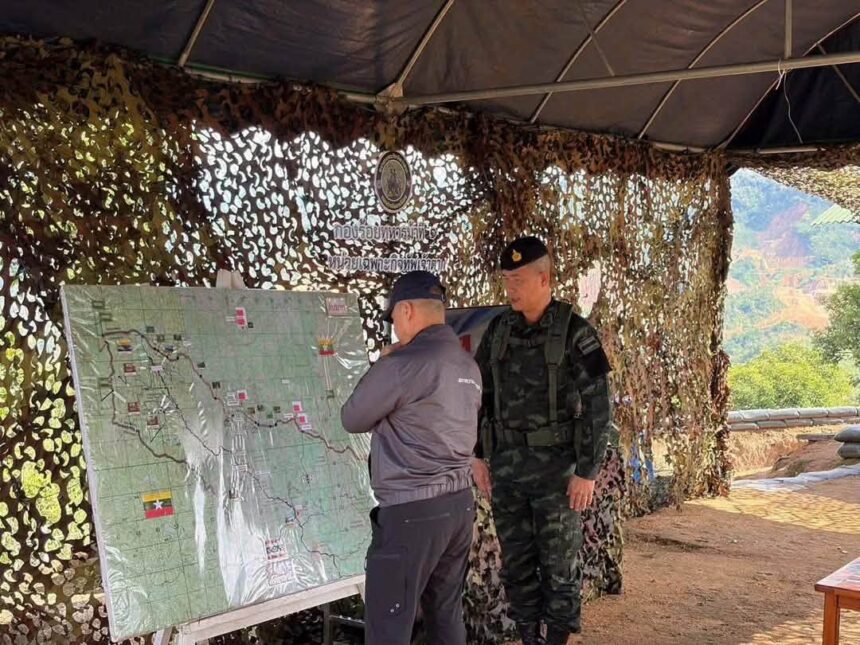
CHIANG RAI — Thailand’s top security official inspected a frontline border outpost overlooking Myanmar on Sunday, moving to block cross-border chemical shipments and tighten water safety after toxic mining runoff threatened northern communities.
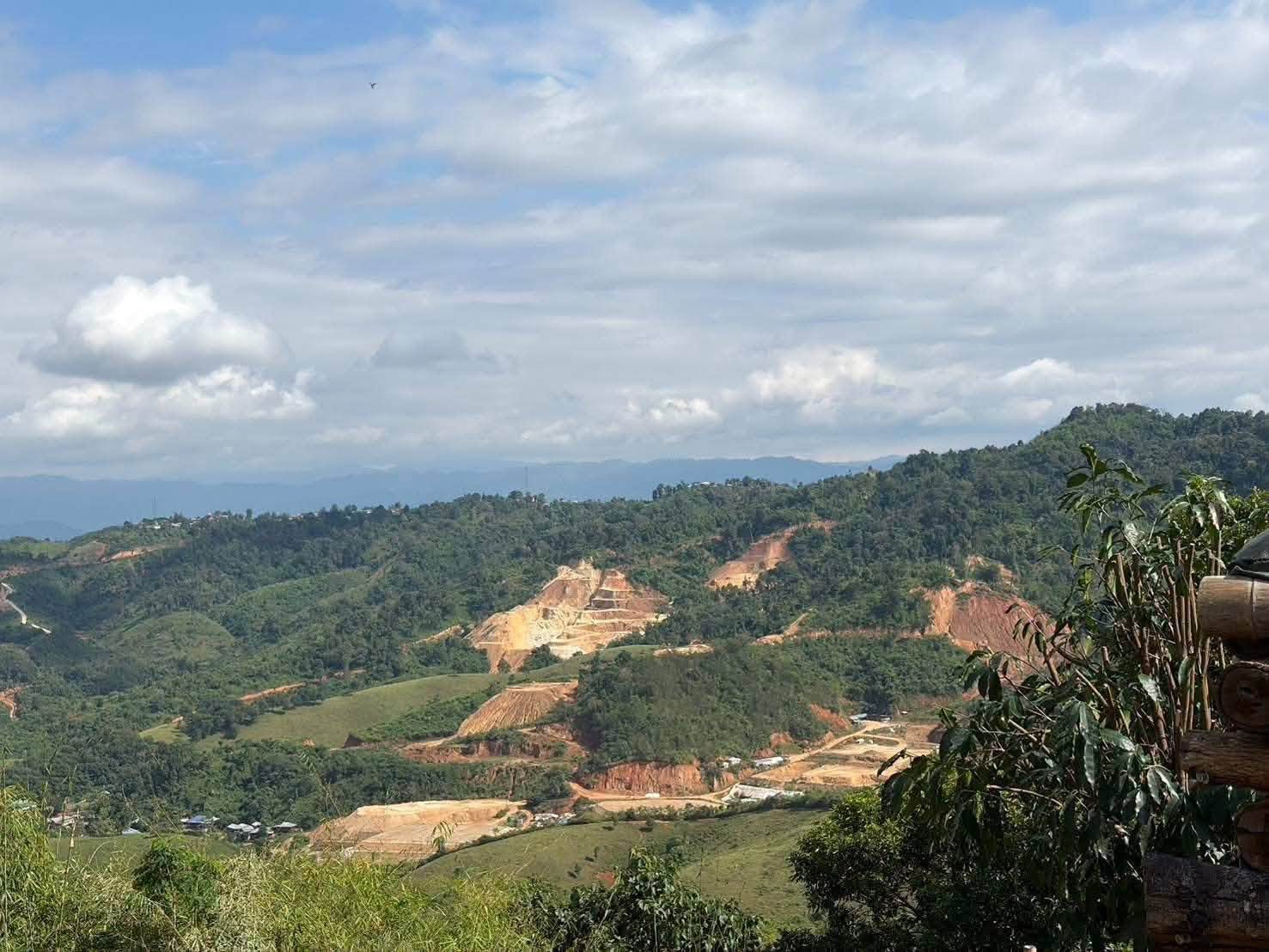
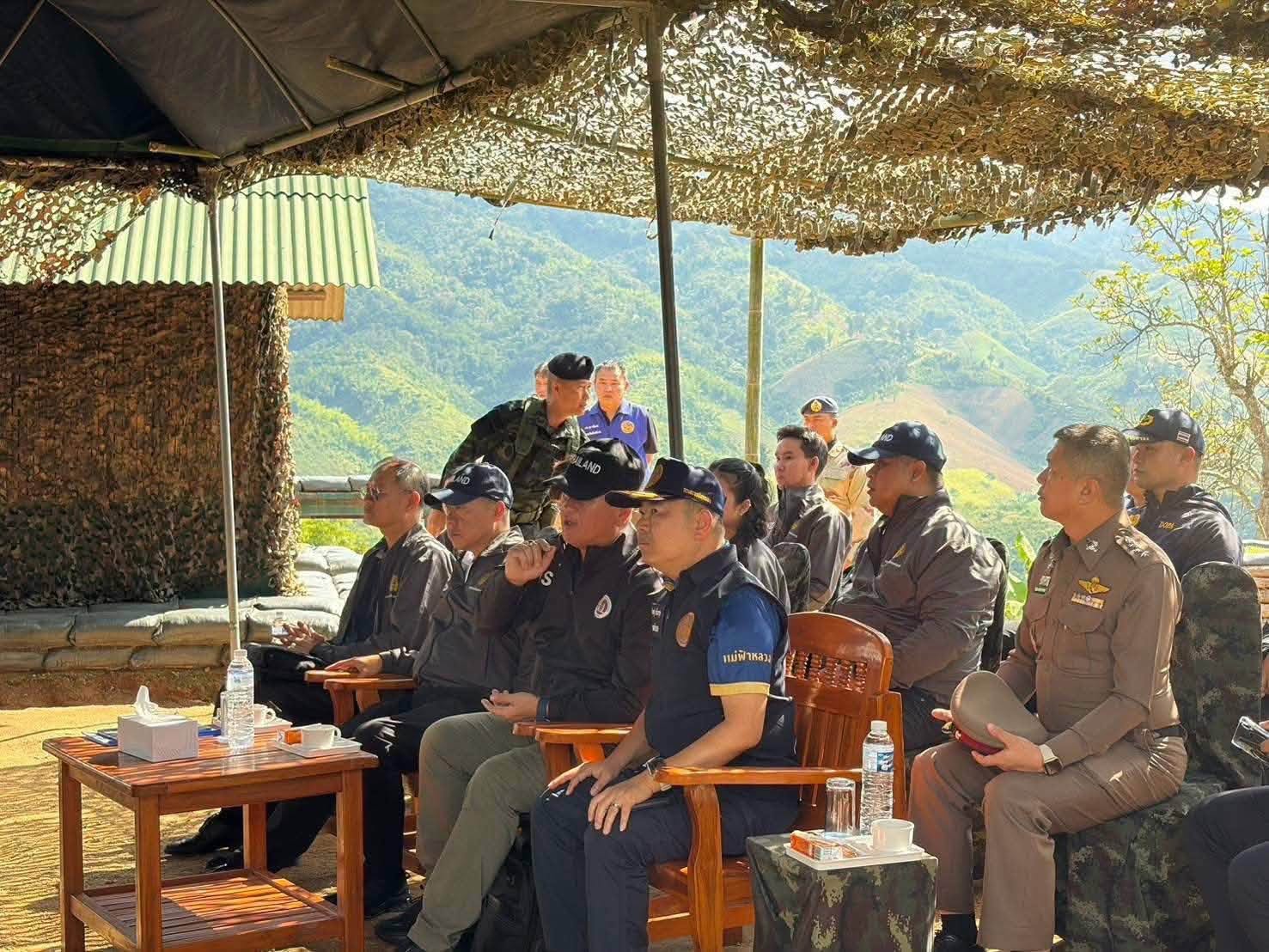
Gen. Chaiyapruek Duangprapat, secretary-general of the National Security Council, visited the Ban Mong Kao Lang military base in Chiang Rai province to assess visible mining sites across the frontier. The inspection precedes urgent bilateral water talks in Bangkok on Nov. 25–26 as officials race to safeguard tap water for tens of thousands of residents.
Key Takeaways• The National Security Council drafted a list of mining chemicals to classify as restricted border exports with the Defense Ministry. • The Commerce Ministry will tighten oversight on transit cargo while local agencies monitor tap water and deliver clean supplies. • Thai and Myanmar officials convene in Bangkok on Nov. 25–26 for their first Joint Working Group on transboundary river water quality. |
Choking Off Supply Lines at the Border
At the Ban Mong Kao Lang outpost, commanders from the Taksin Task Force and the Pha Muang Force briefed Chaiyapruek on cross-border extraction operations visible from the ridge. Chaiyapruek said the field visit aimed to verify ground conditions, audit current security measures and compile policy recommendations for the Cabinet.
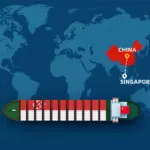
Bangkok is targeting the chemical supply chains that keep unregulated mines running. The National Security Council compiled a roster of ore-processing chemicals and asked the Ministry of Defense to declare them controlled border goods, blocking exports into Myanmar. The Ministry of Commerce will also tighten rules on third-country transit cargo passing through Thailand. Chaiyapruek warned that agencies must enforce the law at full capacity, noting the prime minister is prepared to take decisive action against anyone implicated in illicit trafficking.
Upstream Extraction Fuels Downstream Crisis
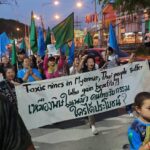
The security crackdown follows an acute water crisis across Chiang Rai’s border districts. Earlier this month, authorities suspended tap water across 14 villages in Mae Sai district—affecting more than 20,000 households—after tests detected arsenic levels 30 times above safe limits. Untreated water in the Sai River, a major Mekong tributary flowing from Myanmar’s Shan State, registered arsenic concentrations 25 times higher than drinking standards.
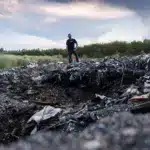
Since Myanmar’s 2021 military coup, weak central oversight has fueled a surge in gold and rare-earth mining across Shan State’s rugged mountains. Chemical leaching from hillside pits drains directly into the Sai and Kok watersheds, carrying heavy metals downstream into Thai farms and municipal intakes. Because extraction sites sit in remote border zones controlled by armed groups and foreign-backed operators, Thai authorities have struggled to halt contamination at its source.
Emergency Relief and Bangkok Water Talks
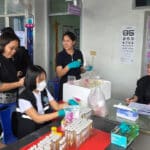
To protect public health immediately, the Cabinet ordered the Ministry of Interior and the Ministry of Natural Resources and Environment to run continuous tap-water testing and truck clean drinking water into affected villages. Chaiyapruek said his team is drafting both immediate border-checkpoint restrictions and contingency protocols if pollution levels fail to drop.
Diplomats are pursuing parallel regional pressure. On Nov. 25–26, the Ministry of Natural Resources and Environment and the Ministry of Foreign Affairs will host Myanmar delegates in Bangkok for the first Joint Working Group meeting on transboundary river management, aiming to establish joint water monitoring and cleanup frameworks across the basin.