CHIANG RAI – Provincial authorities launched urgent field surveys Wednesday to build sediment-trapping weirs and locate backup water sources along the Kok and Sai rivers after toxic heavy metals breached national safety standards.
The dual-track push aims to protect household tap supplies and long-term agricultural irrigation across northern Thailand. Deputy Gov. Prasert Jitpleecheep convened two newly appointed working committees on Nov. 18 at Thammarangka Hall inside Chiang Rai Provincial Hall to map out immediate engineering and water-sourcing steps.
Key Takeaways
- Chiang Rai officials initiated site surveys on Nov. 18 to install sediment-trapping weirs in the Kok and Sai rivers to capture heavy metal contaminants.
- A parallel task force is scouting alternative raw water reserves to secure long-term drinking and farm supplies if main river intakes become unusable.
- The emergency response follows severe arsenic spikes linked to upstream mining across the Myanmar border that disrupted tap water for over 20,000 households.
Dual Task Forces Target Sediment and Supply
Department heads and water engineers reviewed formal appointment orders during the joint session. Their mandate stems directly from directives issued at the Northern Disaster Prevention and Mitigation Committee’s second meeting of 2026.
The first committee will evaluate riverbed geography along both waterways to determine where sediment-trapping weirs can physically intercept pollutant-laden silt before it flows downstream. Officials also reviewed existing engineering progress on a pilot weir project already planned for the Kok River.
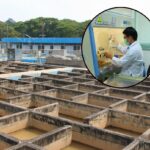
At the same time, the second working group will identify untapped reservoirs, tributaries, and groundwater basins capable of serving as emergency raw water reserves. Both initiatives remain in the feasibility and site-assessment stage, with provincial leaders coordinating closely with technical agencies to tailor designs to local terrain.
Cross-Border Mining Drives Downstream Water Crisis
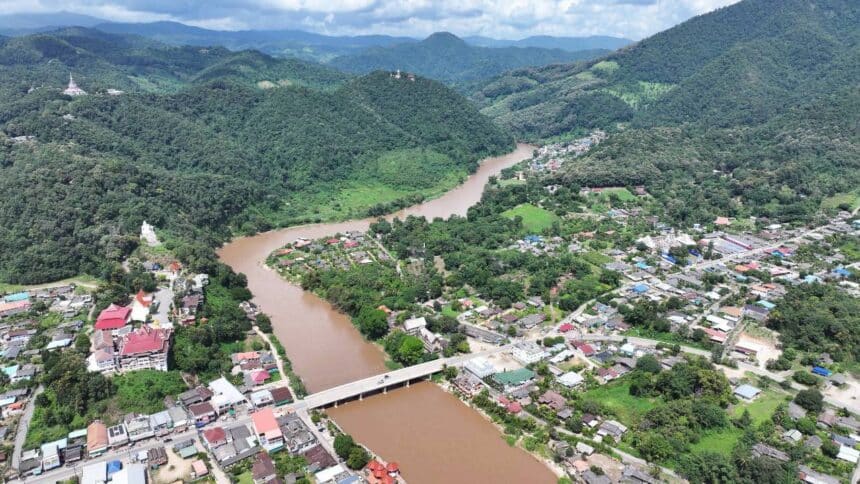
Chiang Rai’s engineering scramble follows months of escalating toxic runoff originating outside Thailand’s borders. Both the Kok and Sai rivers flow southward from Myanmar’s Shan State, where unregulated gold and rare-earth mining operations have expanded rapidly near headwater tributaries.
Recent water quality testing detected arsenic concentrations in untreated Sai River water at up to 28 times the accepted safety threshold. Earlier in November, high arsenic readings forced tap water shutdowns across 14 villages in Mae Sai district, leaving more than 20,000 households reliant on water trucks and bottled supplies.
The contamination threatens more than municipal taps. Agricultural researchers and Mae Fah Luang University scientists have documented heavy metal accumulation in riverside soils, fish stocks, and local residents, while the Ministry of Public Health has warned communities against using Sai River water for drinking, cooking, or ice production.
Balancing Immediate Relief With Long-Term Safeguards
Trapping toxic sediment inside Thailand offers a physical buffer, though water specialists caution that captured silt requires strict dredging and hazardous-waste containment so heavy metals do not leach back into the water column during monsoon floods.
Securing independent raw water reserves gives Chiang Rai’s waterworks authorities critical operational flexibility. Once the working committees complete their terrain assessments, provincial officials will submit concrete construction blueprints and budget proposals to national agencies for rapid deployment.