
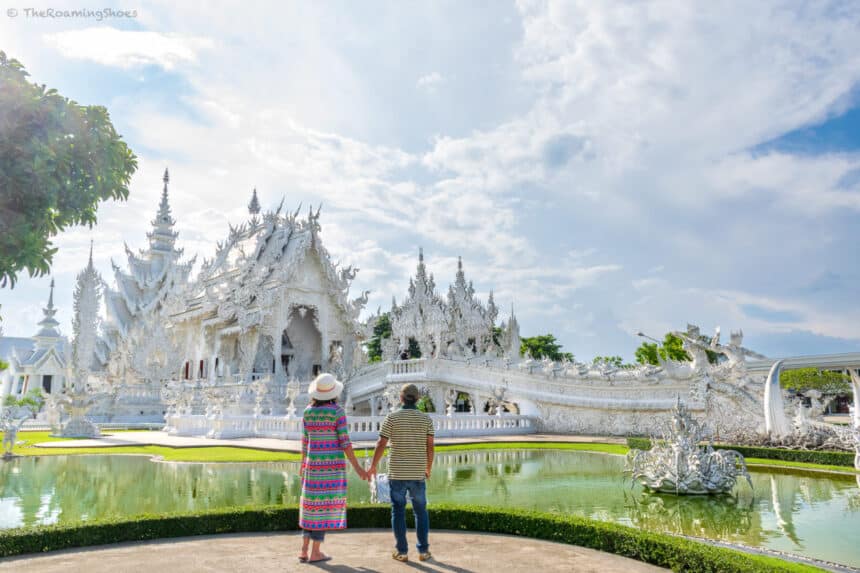
CHIANG RAI rewards visitors who give it more than a quick stop. The city is known for striking temples and a slower pace, while the wider province offers cultural sights and countryside beyond the center. For a first visit, plan time for both: explore the city’s landmarks, then choose an outing that suits your interests and schedule.
Two or three days can give you room to see the main sights without rushing. Keep your plans flexible, since temple visits and museum stops can take longer than expected. Check attraction details and transport options before setting out, and leave space for meals and breaks.
Key Takeaways
- Plan enough time for Chiang Rai city and, if it fits your schedule, an outing beyond the center.
- Compare the White Temple, Blue Temple, and Black House for distinct visitor experiences.
- Stay near central Chiang Rai for easier access to food and city landmarks.
- Use local rides for short trips, and consider a driver or rental car for outlying sights.
- Check venue details and transport options before you travel.
Plan Your First Chiang Rai Visit Around Your Schedule
A good first visit balances the city’s best-known sights with enough time to enjoy them at an unhurried pace. Decide how many days you have, then choose a few priorities instead of trying to fit every attraction into one itinerary.
When to go and what to expect
Before choosing travel dates, check the local forecast and air quality for the period you plan to visit. Conditions can affect outdoor sightseeing and longer drives, so build some flexibility into your plans.
Pack for the activities you have in mind. Comfortable walking shoes suit temple visits and museum grounds, while a light layer and sun protection can help you stay comfortable outdoors. If the forecast calls for rain, bring suitable rain gear. For visits to religious sites, include clothing that covers your shoulders and knees.
How many days to spend in Chiang Rai
Two or three days can cover several of the city’s main sights, including its best-known temples and cultural stops. Extra time gives you a more relaxed pace and room to travel beyond the center.
Longer outings need their own planning time. Doi Tung, Mae Salong, and the Golden Triangle involve travel beyond the city, so avoid treating them as quick additions to a packed sightseeing day. Pick the destination that interests you most, then plan the rest of your schedule around it.
A First-Time Visitor’s Guide to Chiang Rai: The Sights Worth Your Time
Chiang Rai’s headline attractions differ in style and atmosphere. The White Temple is known for its distinctive contemporary design, the Blue Temple has a vivid visual character, and the Black House offers a different kind of cultural visit. Historic temples and central landmarks add variety to a first trip.
Check directly with each venue for current visitor information before you go. For more temple context and practical advice, see this Chiang Rai temple guide.
Compare the White Temple, Blue Temple, and Black House
Wat Rong Khun, commonly called the White Temple, is a contemporary work by artist Chalermchai Kositpipat. Its bright white surfaces and detailed ornament give it a very different appearance from the city’s historic temples. Plan time to look around rather than treating it as a quick photo stop.
Wat Rong Suea Ten, known as the Blue Temple, has a bold blue palette that sets it apart from Wat Rong Khun. Visiting both makes it easy to see how different the city’s modern temple designs can be.
Baan Dam Museum, or the Black House, is a museum, not a temple. Its darker aesthetic offers a contrast to the two brightly colored temple sites. If you plan to visit all three, allow enough time for travel between them and for each stop.
Add Wat Huay Pla Kang and the city’s historic temples
Wat Huay Pla Kang is a large temple complex with a prominent white statue. Its scale and setting make it a distinct stop from the city’s central historic temples.
Wat Phra Kaew is a meaningful historic site and a good choice for visitors who want a quieter temple visit alongside the better-known modern attractions. Wat Phra Singh is another central temple to consider.
Dress modestly at religious sites, remove your shoes where requested, and follow posted rules. Be considerate of people who are there to worship, and respect any restrictions on photography or access.
See the Clock Tower and browse a local walking street
The Chiang Rai Clock Tower is a central landmark and an easy point to include in an evening around town. It pairs well with a relaxed walk through the city center.
Saturday Walking Street can be a place to browse food and crafts when it is operating. Check the market schedule before making plans around it.
Make the Most of Chiang Rai With a Simple City Itinerary
A two-day plan gives you time to see major sights while leaving room for meals, rest, and transport. Since several attractions sit outside the city center, group stops by location and avoid packing the day too tightly. Check each venue’s current hours before setting out.
Spend your first day on Chiang Rai’s signature sights
Use your first day for the White Temple and Blue Temple, adjusting the order to suit their current hours and the distance between them. Both are outside the historic core, so plan transport rather than assuming you can walk between every stop.
After the temple visits, return to the center for a meal and a break. Then consider a central landmark such as the Clock Tower or one of the historic temples, depending on your energy and the time available.
Temple and museum visits can take longer than expected, especially when you allow time to explore the grounds. Keep the schedule flexible, and drop a stop if travel or a longer visit uses more of the day than planned. For another sample approach, see visiting Chiang Rai independently.
Use your second day for culture, markets, and a slower pace
Choose one main stop for the second day: Baan Dam Museum, Wat Phra Kaew, or Wat Huay Pla Kang. The right choice depends on whether you want to focus on art, history, or a larger temple complex.
Leave time to return to the city center for a meal or a relaxed walk. If a market is operating that evening, you can browse without making it the centerpiece of your schedule. A flexible day leaves room to spend longer at the places you enjoy most.
Choose a Chiang Rai Day Trip That Fits Your Interests
Chiang Rai province has destinations beyond the city, but each outing needs time for travel as well as sightseeing. Choose one trip based on what you want to see, and plan it separately rather than trying to combine several far-flung destinations in a single day.
Visit the Golden Triangle for river views and regional history
The Golden Triangle is the area where Thailand, Laos, and Myanmar meet. Travelers interested in regional history may also consider the Hall of Opium.
Before leaving the city, check the museum’s visitor details and plan how you will get there and back. Give the outing its own space in your schedule, especially if you want time for both the border area and the museum.
Explore Doi Tung’s gardens and royal projects
Doi Tung is a mountain-area outing known for its gardens and cultural sites. It suits visitors who want a day outside the city and are interested in landscaped grounds and local history.
Plan transport and travel time before you go, and check current visitor information for the sites you intend to visit. Avoid combining Doi Tung with several distant stops if you want time to enjoy the visit.
Consider Mae Salong for mountain scenery and tea culture
Mae Salong is a farther, more rural destination that appeals to visitors interested in mountain scenery and tea-growing communities. It calls for more planning than a stop within Chiang Rai city.
Arrange your transport in advance and check road and weather conditions before setting out. Allow enough time for the drive and for exploring once you arrive.
Get Around Chiang Rai and Pick a Convenient Place to Stay
Where you stay affects how easily you can reach central sights, restaurants, and transport. Choose accommodation based on the places you plan to visit, then confirm the location and available transport options before booking.
Stay near the center for easier access to food and city sights
Central lodging can make it easier to reach restaurants, markets, the Clock Tower, and historic temples. The Night Bazaar area is one option for visitors who want food and central sights nearby.
Accommodation outside the center may suit travelers looking for more space or a quieter setting. Check the exact location and how you will reach the sights on your list before you reserve a room. This first-time visitor guide to Chiang Rai offers more context on planning a stay.
Use buses, local rides, or a driver based on your route
Tuk-tuks, songthaews, and Grab are options for short city trips, though availability can vary. Confirm your transport choices for your dates, especially if you plan to travel beyond the center.
For outlying sights such as Wat Rong Khun, a rental car or hired driver may work better than relying on local rides. For longer excursions, compare a hired driver, rental car, or tour with the route you want to take. These transport tips for Chiang Rai visitors can help you think through your options.
Travel from Chiang Mai by Greenbus or private transport
Greenbus connects Chiang Mai Bus Terminal 3 with Chiang Rai Bus Terminal 1 on applicable services. The trip usually takes about three to four hours, depending on conditions.
Check the live schedule, departure terminal, ticket availability, and booking channel for your travel date. Private transport is another option if you prefer a direct trip or have a schedule that does not fit the bus service.
Eat Local Food and Travel Respectfully in Chiang Rai
Meals and markets are part of getting to know the city. Leave time to eat at a comfortable pace, and ask vendors about ingredients or spice levels if you have dietary needs.
Try northern Thai dishes and browse markets
Look for northern Thai specialties, noodle soups, grilled foods, and market snacks as you explore. If you are unsure how spicy a dish is or what it contains, ask before ordering.
Saturday Walking Street may offer food and crafts when it is open. Check its schedule before planning an evening around the market.
Follow temple etiquette and check local conditions
Wear modest clothing when visiting religious sites, remove your shoes where requested, and follow posted guidance. Respect signs about photography and areas that visitors cannot enter.
Before outdoor plans, check the weather, air quality, venue details, and travel conditions. These checks can help you adjust your schedule if a visit or journey takes longer than expected.
Frequently Asked Questions
Is Chiang Rai worth visiting on a first trip to Thailand?
Yes, especially if you enjoy distinctive temples, local culture, and time outside a large city. It suits travelers who want to see both modern architectural sights and historic temples, with the option to plan an outing beyond the center.
Can you visit Chiang Rai as a day trip from Chiang Mai?
A day trip is possible, but the bus journey alone usually takes about three to four hours each way, depending on conditions. Staying overnight gives you more time to visit several sights without compressing the whole trip into one long day. See this Chiang Rai sightseeing guide for additional itinerary ideas.
Do visitors need to book Chiang Rai attractions in advance?
Booking needs vary by venue and date. Check each attraction’s current visitor rules and hours directly, especially if you plan to visit during a busy travel period or holiday.
Is Chiang Rai easy to explore without a car?
Central areas and temples can be manageable without a car, but outlying attractions and mountain destinations require more transport planning. Confirm local ride options for your dates, and consider a driver or tour for longer trips.
What should you pack for Chiang Rai?
Bring comfortable walking shoes, sun protection, a light layer, and rain gear when the forecast calls for it. Pack modest clothing for temple visits, and adjust your choices to the weather and planned activities.
Plan a Flexible First Visit
Chiang Rai is easiest to enjoy when you leave room in your schedule. Give the city’s temples and cultural stops enough time, then choose one excursion that fits your interests rather than rushing between distant destinations. Before you travel, check transport options, weather, air quality, and venue details. With a flexible plan, you can focus on the sights that suit your pace. Chiang Rai makes a rewarding first stop in northern Thailand, with striking temples, a slower pace, local food, and mountain day trips within reach. The name refers to both a city and a province, so there’s more to explore than the central sights alone.
For a first visit, make room for the city center and at least one trip beyond it. A little planning helps you balance time at Chiang Rai’s distinctive cultural sites with the longer journeys into the surrounding mountains.
Use this guide to shape a flexible stay around your schedule and interests, starting with Chiang Rai’s top attractions.
Key Takeaways
- Plan two or three days for Chiang Rai’s main sights, and add extra time if you want to explore beyond the city.
- Compare the White Temple, Blue Temple, and Black House, which offer distinct visits; see this guide to Chiang Rai’s top sights.
- Stay near the center for easier access to restaurants, markets, and historic temples, then arrange transport for outlying attractions.
- The Greenbus trip from Chiang Mai usually takes three to four hours, so check Greenbus routes and schedules before choosing a travel day.
- Choose one major day trip, such as the Golden Triangle, Doi Tung, or Mae Salong, and verify venue details, weather, and transport plans ahead of time.
Plan Your First Chiang Rai Visit Around the Season and Your Schedule
The season can shape how comfortable your sightseeing feels, while your available days determine whether you stay in the city or add a longer outing. Use both to set priorities, then check conditions and travel details again before you leave.
When to go and what to expect from the weather
As a broad guide, November through February is generally cooler and drier, making outdoor sightseeing more comfortable. Pack light clothes for daytime, plus a layer for cooler mornings and evenings, especially if you’re heading into the hills.
March through May tends to be hotter, and haze can affect visibility and outdoor plans. Check both the local forecast and air quality before your trip, then again before committing to a long drive or a day outside. If conditions look poor, keep indoor stops flexible and plan outdoor visits for cooler parts of the day. The Thailand Meteorological Department’s weekly weather summaries can help you check conditions closer to your travel date.
June through October is generally wetter, so bring rain gear and allow extra time for journeys. Showers can affect outdoor plans and rural roads, but the pattern varies. These seasonal descriptions are planning guidance, not a forecast. For a fuller month-by-month overview, see this Chiang Rai weather by season guide, and review Chiang Rai air quality advice if you’re visiting during the hot season.
Whatever month you choose, sun protection and comfortable walking shoes are useful for temple grounds and other outdoor sights. Adjust your day’s plans when the forecast or air quality calls for it.
How many days to spend in Chiang Rai
Two or three days can cover several key city sights at a manageable pace. That gives you time to visit major temples and cultural stops without turning every day into a race between attractions.
With extra time, you can slow down or plan an excursion beyond the city. Doi Tung, Mae Salong, and the Golden Triangle involve longer drives, so treat each as a separate outing rather than squeezing one into a full day of city sightseeing. Check travel times, road conditions, and opening details before choosing.
If you only have a short stay, focus on the places that interest you most and keep the schedule flexible. For a longer visit, add one out-of-town destination and leave room for delays, meals, and breaks.
A First-Time Visitor’s Guide to Chiang Rai: The Sights Worth Your Time
Chiang Rai’s best-known sights range from contemporary temple art to historic religious sites and a distinctive museum. Their locations and visitor experiences vary, so plan travel time between stops and check each venue’s current hours, admission details, and visitor rules before you go.
Compare the White Temple, Blue Temple, and Black House
Wat Rong Khun, or the White Temple, is a contemporary design by artist Chalermchai Kositpipat. Its bright white surfaces and intricate details create an ornate, almost otherworldly look. Visitors cross a bridge to reach the main sanctuary, so take time to notice the grounds and details along the way.
Wat Rong Suea Ten, better known as the Blue Temple, makes a very different impression. Rich blue tones and gold accents give its interior a vivid, dramatic feel. The colorful setting contrasts with the White Temple’s pale exterior, making a visit to both a useful way to compare Chiang Rai’s modern religious art.
Baan Dam Museum, or the Black House, is a museum, not a temple. Its dark buildings and art collection create a more contemplative atmosphere than the two temples. Rather than focusing on worship, the visit centers on the spaces and works assembled by artist Thawan Duchanee. For more background on these sites, see this guide to Chiang Rai’s famous temples.
Add Wat Huay Pla Kang and the city’s historic temples
Wat Huay Pla Kang is a large temple complex outside the city center, known for its prominent white statue on a hill. The broad grounds and expansive views make it feel different from a quick stop at a central temple. Allow time to explore, and check on-site guidance before entering buildings or taking photos.
For a historic stop, visit Wat Phra Kaew, a meaningful temple in the city. It offers a quieter counterpoint to Chiang Rai’s more contemporary attractions. The Tourism Authority of Thailand’s Chiang Rai page highlights the province’s varied temple architecture and cultural sights.
At all religious sites, wear clothing that covers your shoulders and knees, remove your shoes where requested, and keep your voice low. Follow posted rules, especially around photography and restricted areas.
See the Clock Tower and browse a local walking street
The Chiang Rai Clock Tower is a central landmark and a convenient evening stop while exploring downtown. Pair it with dinner or a relaxed walk through nearby streets rather than building a packed itinerary around it.
If you’re in town on a Saturday, consider browsing Saturday Walking Street for food and crafts. Market schedules can change, so confirm that it will be operating before making plans around the visit.
Make the Most of Chiang Rai With a Simple City Itinerary
A two-day plan gives you time to see Chiang Rai’s best-known sights without filling every hour. Group stops by area, allow for transport between them, and check current opening hours before you leave. Temples and museums can take longer than expected, so keep each day flexible.
Spend your first day on Chiang Rai’s signature sights
Start with Wat Rong Khun, the White Temple, which sits outside the city center. Check its current visitor hours before setting out, then plan transport for the visit. The Tourism Authority of Thailand’s White Temple listing includes basic location and access information.
Next, head to Wat Rong Suea Ten, the Blue Temple. These two headline sights are not within easy walking distance of each other, so decide in advance how you’ll travel between them. If one visit runs long or transport takes more time than expected, skip an extra stop rather than rushing through both.
Afterward, return to central Chiang Rai for a meal and a break. If you still have time and energy, visit Wat Phra Kaew or Wat Phra Singh, then pass by the Clock Tower. The central temples and landmark make better additions after the outlying sights than trying to squeeze them between temple visits.
Use your second day for culture, markets, and a slower pace
Choose one main attraction based on your interests. Baan Dam Museum offers an art-focused visit, while Wat Phra Kaew is a historic temple in town. Wat Huay Pla Kang is another option, with a large complex outside the center. Check its location and arrange transport before adding it to the day.
Leave the rest of the schedule open. Spend time in the city center, take a longer lunch, or visit a nearby temple you missed on day one. If Saturday Walking Street is operating during your stay, make it an evening option; confirm the market schedule before planning around it.
For a lower-cost route centered on temples and city stops, use this budget Chiang Rai itinerary as another planning reference. Whichever plan you choose, leave room for a meal and an unplanned pause. A relaxed day makes it easier to enjoy a longer visit instead of watching the clock.
Choose a Chiang Rai Day Trip That Fits Your Interests
Chiang Rai’s out-of-town trips each offer a different kind of day. The Golden Triangle suits travelers interested in river views and regional history, Doi Tung combines mountain scenery with gardens and cultural sites, and Mae Salong appeals to visitors drawn to tea-growing communities. Since each destination takes time to reach, choose one rather than trying to cover all three in a single day.
Visit the Golden Triangle for river views and regional history
At the Golden Triangle, the Mekong and Ruak rivers meet near the borders of Thailand, Laos, and Myanmar. The riverside viewpoint is an easy way to take in the setting, while the Hall of Opium offers a closer look at the history of opium cultivation and trade in the region.
The area is roughly 60 to 70 kilometers from Chiang Rai, so allow for road time as well as sightseeing. If you want to visit the museum, check its operating days, hours, and admission details before leaving the city. The Golden Triangle day trip guide can help you compare transport options and plan the route.
Explore Doi Tung’s gardens and royal projects
Doi Tung is a mountain-area outing known for Mae Fah Luang Garden and cultural sites connected with the royal development projects. It’s a good fit if you want a scenic day with landscaped grounds and time to explore at a relaxed pace.
Before building the day around Doi Tung, confirm current ticket options and opening hours for the sites you want to visit. Also check the travel time and arrange transport, since the mountain route adds time beyond the attraction visits. For other highland options, see this overview of Chiang Rai mountain day trips.
Consider Mae Salong for mountain scenery and tea culture
Mae Salong is farther into the countryside, with mountain views and tea-growing communities. The road distance is about 64 kilometers, but curves and slower mountain driving can make the trip take longer than the mileage suggests. It suits travelers who want a rural outing and are comfortable setting aside most of the day for travel and exploring.
Arrange transport in advance, especially if you’re relying on shared rides or a tour. Check road and weather conditions before setting out, since rain or fog can affect mountain travel. This Mae Salong travel guide has more route-planning details.
Get Around Chiang Rai and Pick a Convenient Place to Stay
Your lodging choice can make city sightseeing easier, while your transport plan matters most for attractions outside the center. Before booking, compare where you want to go with the time and effort it takes to reach each place.
Stay near the center for easier access to food and city sights
A central place to stay puts restaurants, markets, the Clock Tower, and historic temples within easier reach. You may be able to walk to some stops, which can simplify evenings when you want to find a meal or browse the city without arranging a ride.
Lodging farther out may suit travelers who want more space or a quieter setting. However, a lower room rate can mean extra travel time or more planning for meals and sightseeing. Check the property’s exact location on a map, then ask how guests reach the center and nearby attractions. Confirm that transport is available at the times you expect to travel, rather than relying on a general description such as “close to downtown.”
Use buses, local rides, or a driver based on your route
For short trips around town, check with your accommodation about local buses, tuk-tuks, songthaews, or ride-hailing services. Options and availability can change, so confirm what operates during your dates before building an itinerary around a particular service. Walking may be practical for nearby central sights, but distances between outlying attractions can make it less useful.
For Wat Rong Khun, Baan Dam Museum, or a longer countryside outing, compare the route with the transport available that day. A hired car, driver, or organized tour may suit a schedule with several stops, especially where public transport is limited. If you plan to rent a car, account for driving time and check the route before setting out. These Chiang Rai transport options offer another starting point for planning local travel.
Travel from Chiang Mai by Greenbus or private transport
On applicable services, Greenbus connects Chiang Mai Bus Terminal 3 with Chiang Rai Bus Terminal 1. The journey usually takes about three to four hours, depending on traffic and road conditions. Check the Greenbus route information for service details, then verify the live schedule, departure and arrival terminals, ticket availability, and booking channel for your date.
Private transport can make sense if the bus schedule does not fit your plans or you prefer a direct trip. Compare the options before booking, and use the terminal printed on your ticket. For a closer look at the trade-offs, see this comparison of buses, vans, and cars.
Eat Local Food and Travel Respectfully in Chiang Rai
Food markets and temple visits offer a closer look at everyday life in Chiang Rai. Stay curious, ask before assuming, and give yourself time to enjoy each stop without rushing.
Try northern Thai dishes and browse markets
Look for northern Thai favorites such as khao soi, noodle soups, and sai ua, a fragrant grilled sausage. Markets also offer grilled foods, fruit, and snacks that make an easy meal while you explore. The Tourism Authority of Thailand highlights regional specialties such as sai ua and spicy jackfruit curry on its Chiang Rai destination page.
If you have dietary restrictions or prefer mild food, ask vendors about ingredients and spice before ordering. You can say “mai phet” to ask for food that isn’t spicy, though the final seasoning can vary. For unfamiliar dishes, ask what they contain rather than relying on appearance alone.
Saturday Walking Street may be a lively place to browse food and crafts, but treat it as a possibility, not a fixed plan. Confirm that it will be open during your visit, since schedules and stall hours can change. For a look at the city’s evening market options, see this guide to Chiang Rai’s Night Bazaar and Saturday Walking Street.
Follow temple etiquette and check local conditions
Temples are active religious sites, so dress modestly and keep your behavior considerate. Cover your shoulders and knees, remove your shoes where requested, and follow signs about photography or restricted areas. If worshippers are praying, give them space and keep your voice low.
Before heading out, check the weather and air quality, especially if your plans involve long periods outdoors or a drive beyond the city. Confirm venue hours and visitor rules directly, too, since details can change or differ on holidays. Travel conditions may also affect journey times, so leave extra room in your schedule rather than planning several stops back-to-back.
Frequently Asked Questions
These practical details can help you plan your arrival and daily routines, especially if you’re adding Chiang Rai to a longer Thailand trip.
What’s the easiest way to get to Chiang Rai from Bangkok?
You can fly or take a long-distance bus, depending on your budget and schedule. Flights leave from Bangkok’s Suvarnabhumi and Don Mueang airports, so check which airport your ticket uses before arranging a connection. Compare Bangkok flights and VIP buses to Chiang Rai before choosing.
How do you get from Chiang Rai airport to the city?
Plan a taxi or other airport transfer rather than assuming public transit will match your arrival time. Options can vary, so check the airport’s transportation information and confirm your ride before traveling. This Chiang Rai airport guide also covers arrival services and transport planning.
Should you carry cash in Chiang Rai?
Carry some Thai baht for small purchases and situations where card payment isn’t available. Payment options can vary by venue, so ask before ordering or buying, and avoid carrying more cash than you need for the day. ATMs and currency exchange services are available at the airport, but check the fees and rates before using them.
Is Chiang Rai a good destination for families with children?
Yes, families can visit Chiang Rai, though the best itinerary depends on children’s ages, energy, and interest in temples and museums. Plan fewer stops each day, allow breaks, and arrange rides for attractions outside the center. For ideas on pacing visits and choosing activities, see this guide to family-friendly activities in Chiang Rai.
How can you stay connected during a Chiang Rai visit?
A local SIM or eSIM can help with maps, ride bookings, and checking attraction details while you’re out. Compare coverage, data allowances, and whether your phone supports eSIM before choosing a plan. This guide to Thailand SIM cards and eSIMs explains the main options for visitors.
Conclusion
Chiang Rai is easiest to enjoy with a flexible plan, time to explore the city, and one well-chosen excursion. Choose the temples, museums, and other sights that match your pace rather than trying to fit everything into a short stay.
Before you travel, check transport arrangements, the weather, and venue details. With those basics in hand, you can shape a first visit around what interests you most. For extra planning ideas, see this Chiang Rai practical travel guide.