CHIANG MAI— Chiang Mai Municipality is converting the cleared waterfront of the historic Kad Dokmai flower market beside the Ping River into Suan Kad Dokmai, a flood-resilient public park designed to restore riverside green space and neighborhood access.
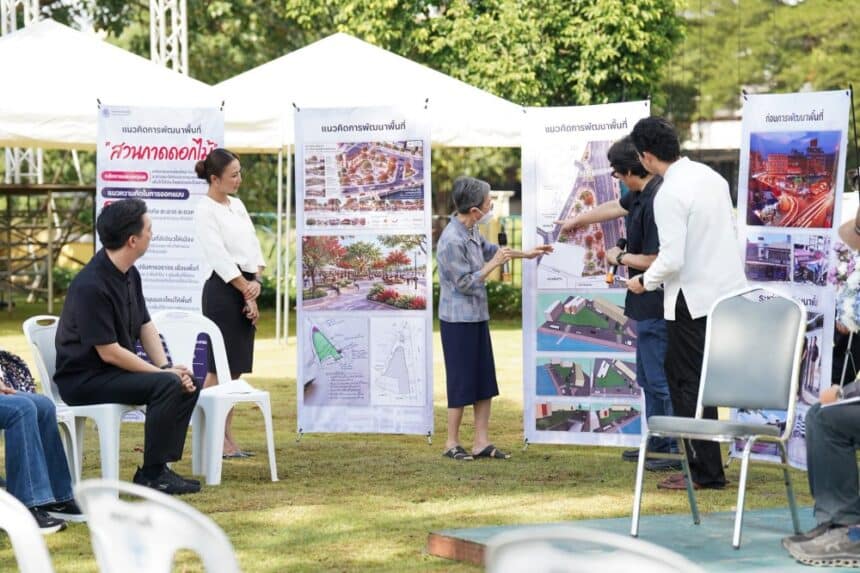
Mayor Assanee Buranupakorn and municipal engineers presented early site concepts at a Nov. 19 public hearing at Ton Lamyai Market Park, weeks after crews demolished nearly 50 sidewalk stalls that had occupied the riverbank for 27 years. City planners have not set a binding opening date as they collect resident feedback on universal accessibility, river-edge drainage, and daily upkeep.
Key Takeaways
- Site Clearance Complete: Municipal crews removed utilities on Oct. 5 and cleared nearly 50 roadside flower stalls by Oct. 19 to reclaim public waterfront land.
- Public Consultation Underway: City officials launched resident hearings on Nov. 19 to finalize wheelchair-accessible paths, shade gardens, and lighting before setting a construction finish date.
- Flood-Ready Infrastructure: The park pairs with upstream river defenses, using permeable walkways and flood-tolerant native plants to withstand seasonal Ping River surges.
Design Blueprint and Construction Schedule
City Hall moved quickly to clear the narrow strip along Witchayanon Road near Warorot Market after vendor leases expired. According to Chiang Mai News, municipal engineering crews cut utility lines on Oct. 5 and brought in excavators on Oct. 19 to demolish nearly 50 aging stalls. The site now sits as a bare dirt corridor awaiting landscape grading.
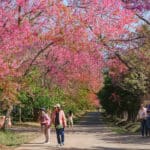
During the Nov. 19 community forum, Mayor Assanee outlined plans to mirror the compact pocket park across the street at Ton Lamyai Market. Rather than erecting new commercial structures, landscape architects are drafting open lawn terraces, shaded seating, and native flowering trees that honor the site’s floral trade heritage. Officials declined to commit to a ribbon-cutting date this week, noting that engineering blueprints and contractor bidding depend on input gathered from nearby shopkeepers and residents before budget allocation.
Neighborhood Access and Inclusive Facilities
For decades, stacked flower buckets, delivery carts, and parked pickups choked the sidewalk along this stretch of the Ping River, forcing pedestrians into busy one-way traffic. Municipal planners say Suan Kad Dokmai will eliminate those bottlenecks by creating a continuous, barrier-free riverside promenade linking nearby temples, markets, and residential alleys.
At the public hearing, residents urged engineers to prioritize step-free ramps, tactile paving for visually impaired visitors, and slip-resistant walkways. Community members also requested dedicated drop-off zones for older adults, accessible restrooms, and low-glare solar lighting so families can use the riverfront safely after dark. City officials said maintenance will fall under Chiang Mai Municipality’s public works and sanitation divisions, which will assign daily sweeping crews, pruning teams, and security patrols to prevent informal vending from reclaiming the walkways.
Riverfront Context and Flood Resilience
The push to reclaim the riverbank stems directly from Chiang Mai’s geography and recent flood trauma. Sitting in a mountain-ringed valley, downtown Chiang Mai channels runoff from northern watersheds in Chiang Dao and Mae Taeng straight through the urban core along the Ping River. During the severe 2024 urban flood crisis, researchers at Chiang Mai University’s School of Public Policy documented how riverbank encroachments, clogged drainage, and delayed coordination left downtown neighborhoods submerged.
Suan Kad Dokmai acts as a soft-infrastructure buffer alongside major engineering upgrades. Earlier in 2026, contractors pushed a separate Ping River flood barrier to 90 percent completion ahead of schedule to shield low-lying districts. Removing concrete stalls at Kad Dokmai strips away rigid obstacles that previously trapped debris during monsoon surges. Instead of heavy pavement, planners are specifying permeable ground cover, subsurface storm drains, and deep-rooted riparian shrubs that survive temporary inundation and allow rapid mud cleanup once high water recedes.