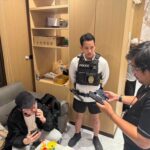
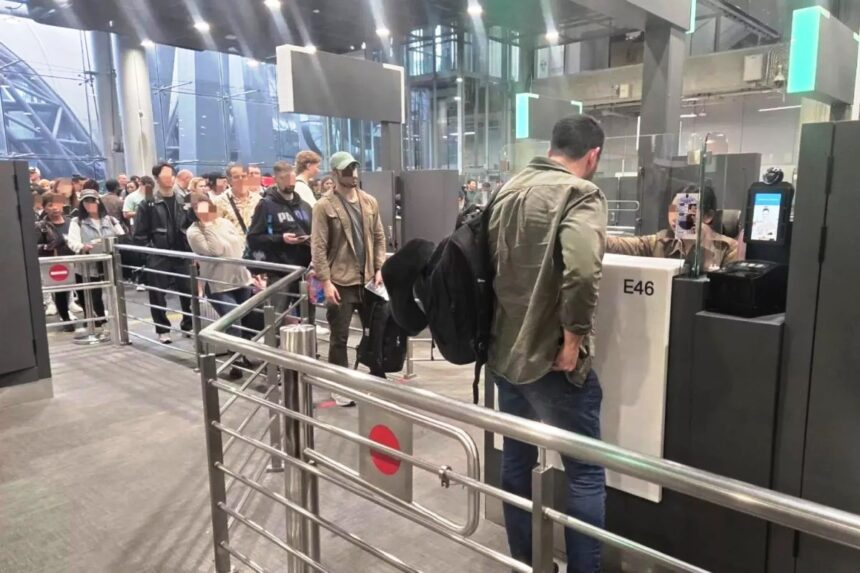
BANGKOK — Thai border officers at Suvarnabhumi Airport refused entry to 92 foreign tourists in a recent sweep targeting transnational scam networks, money laundering and illegal labor. The Thai Immigration Bureau confirmed this week that officers are tightening arrival checks to block criminals posing as holidaymakers.
The crackdown affects incoming flyers across all nationalities, though officials stress that ordinary tourists face no added risk. Instead, airport screening focuses on travelers lacking clear travel plans, sufficient funds or verifiable lodging, stopping suspected call-center operatives before they enter the kingdom.
Key Takeaways
- Border officers denied entry to 92 travelers at Suvarnabhumi Airport over suspected ties to scam gangs and financial crimes.
- Refusal of entry is an administrative border decision requiring immediate return travel, not a criminal arrest or formal charge.
- Genuine visitors can avoid delays by keeping hotel bookings, return tickets and proof of funds ready while avoiding paid third-party airport brokers.
Refusal of Entry Versus Criminal Arrest
Being turned away at passport control differs sharply from being arrested. Under Thailand’s immigration rules, officers hold administrative authority to bar anyone who fails to meet entry requirements or poses a security risk. Rejected passengers stay inside a secure airport holding area until their airline places them on the next flight back to their point of origin.
By contrast, an arrest requires evidence of a crime committed inside Thailand or an active international warrant. Arrested suspects enter police custody, face formal prosecution and go before a Thai court. In the Suvarnabhumi case, the 92 passengers were flagged during initial arrival interviews and returned abroad without entering the criminal justice system.
The tighter airport posture reflects a broader regional push against cyber-fraud syndicates operating along Thailand’s borders with Myanmar and Cambodia. Earlier this year, the government launched its 3 NOs border policy to stop criminals from using Thailand as a transit hub.
Practical Steps for Smooth Arrival
Under that framework, authorities have blacklisted more than 169,000 individuals in their digital advance passenger system and denied entry to nearly 30,000 people nationwide. Call-center gangs routinely recruit workers online, instructing them to fly into Bangkok on tourist exemptions before smuggling them overland to border compounds. Intercepting suspects at Suvarnabhumi disrupts those trafficking pipelines early.
Immigration leaders maintain that the policy applies equally regardless of passport origin and is not meant to deter legitimate leisure or business travel. Millions of visitors clear Bangkok checkpoints smoothly each month.
To prevent confusion during routine questioning, travelers should keep printed or offline digital copies of confirmed hotel reservations and onward flight tickets easily accessible. Officers may also ask for proof of living expenses—typically 10,000 to 20,000 baht in cash or equivalent currency—and expect clear, consistent answers about travel plans.
Officials also urge flyers to ignore online ads selling VIP airport shortcuts. The Immigration Bureau has repeatedly warned that paid third-party fast-track services are unauthorized scams. Relying on unofficial intermediaries cannot bypass security checks and often raises red flags at the border.