
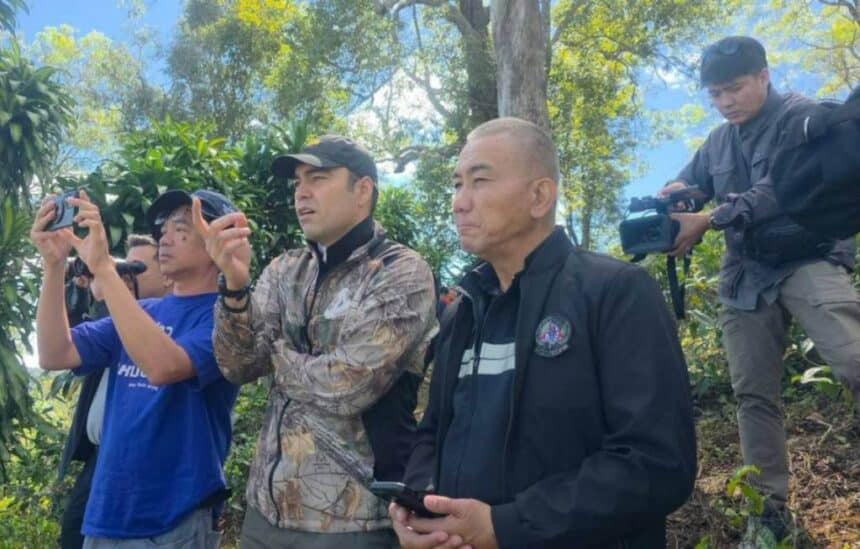
CHIANG RAI – Thailand’s Deputy Interior Minister Jesada Thaiseth inspected three border mining zones across from Chiang Rai’s Mae Fa Luang district on Saturday, gathering evidence of expanding operations in Myanmar that threaten to poison the Sai River. Arriving at Ban Phaya Phrai at 11:40 a.m. under direct orders from the prime minister, Jesada met with Col. Singhanat Losuya, deputy director of Chiang Rai’s Internal Security Operations Command, to assess toxic runoff risks.
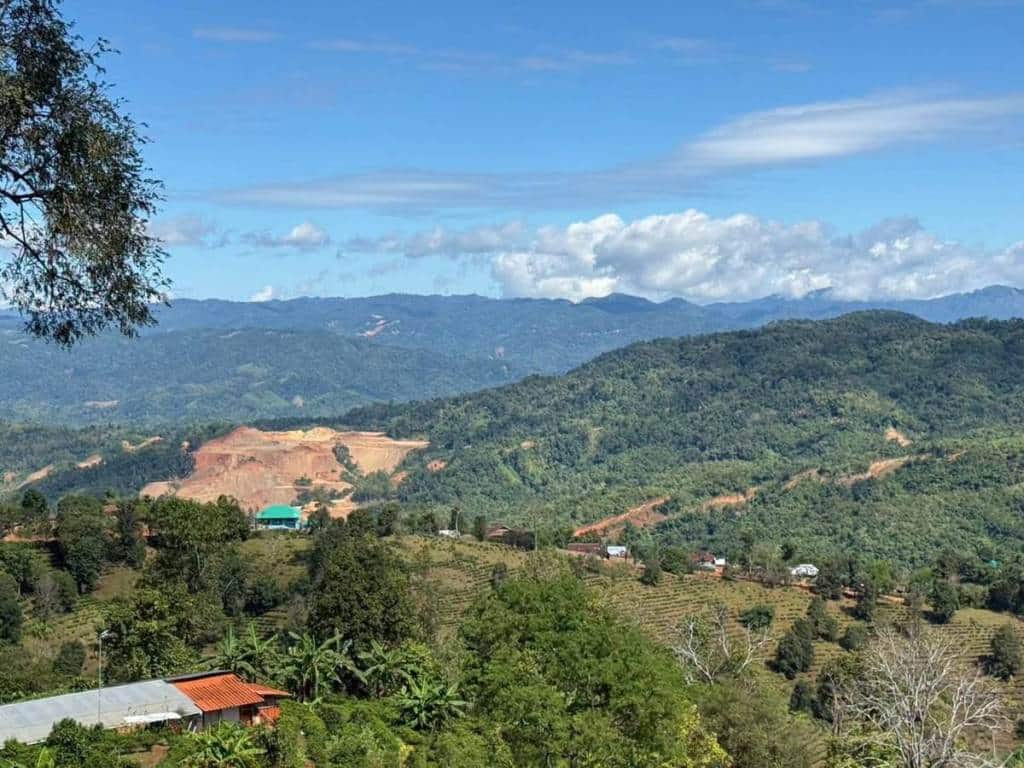
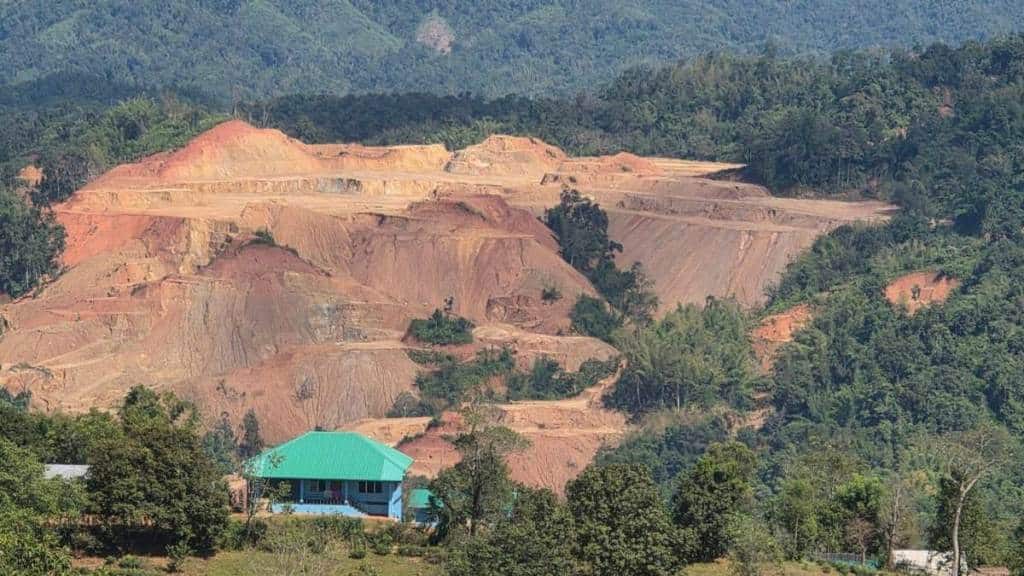
Field surveys presented by academics revealed heavy machinery and new infrastructure at Doi Kor Wan, Muang Kan and Mae Jok, all sitting directly on tributaries feeding the waterway. The inspection escalates Bangkok’s push to halt cross-border heavy metal pollution ahead of high-level diplomatic talks with Chinese and Myanmar leaders next week.
Key Takeaways
- Thai officials confirmed active infrastructure expansion across three Myanmar headwater mining sites—Doi Kor Wan, Muang Kan and Mae Jok—linked directly to the Sai River.
- Civic network data identified 20 licensed mining firms extracting gold, manganese, lead, tin and antimony, with ore shipments moving through Mae Sai and Chiang Saen checkpoints to China.
- Deputy Interior Minister Jesada Thaiseth will join the prime minister from Nov. 16–18 to present field evidence for diplomatic talks while Thailand builds backup water systems from the Mekong and Lao rivers.
Upstream Expansion Outpaces Official Reports
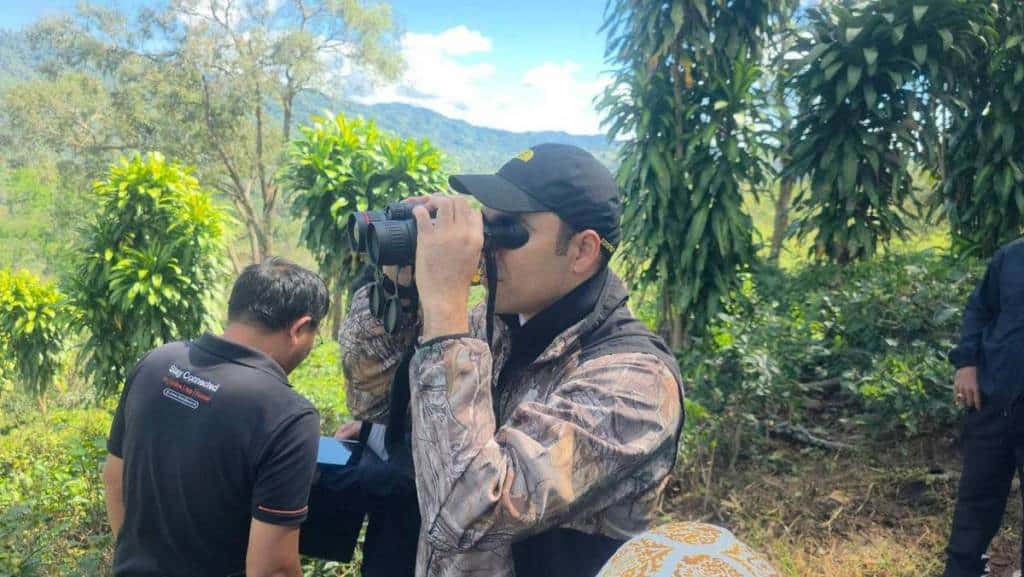
Ground observations show mining operators are preparing to scale up extraction far beyond what earlier intelligence reports indicated, Jesada told reporters after the briefing. Civic networks tracking the border trade documented 20 companies holding Myanmar government permits in the area: 12 gold mines, six manganese sites and two lead operations, alongside tin and antimony extraction.
Extracted minerals move through Thailand’s Mae Sai and Chiang Saen border checkpoints into Chinese supply chains. The prime minister has ordered ministries to audit every registered mining firm, ore-dressing plant and chemical shipment passing through Thai territory. Investigators will also check whether Thai nationals or domestic companies hold hidden stakes in the cross-border ventures to pursue legal action.
Jurisdiction Gaps and Lingering Flood Damage
The crisis builds on two years of worsening water quality in northern Thailand. After severe flooding swept Mae Sai two years ago, thick sediment coated riverside neighborhoods and the river never returned to its seasonal clarity. Subsequent testing detected arsenic and heavy metals exceeding safety limits, forcing local utilities to temporarily halt tap water production and leaving residents without fish or clean water.
Enforcement remains tangled in complex border politics. The headwaters lie inside Myanmar’s Shan State, where territory is fragmented among ethnic armed groups, including the United Wa State Army, limiting Naypyidaw’s direct control. Meanwhile, Chinese-operated mines in the Tachileik hub have drawn scrutiny from Thai lawmakers and rights groups over surging regional ore exports and weak environmental oversight.
Diplomatic Push and Emergency Water Safeguards
Thai leadership has already raised the contamination directly with Beijing. From Nov. 16–18, Jesada will join the prime minister’s delegation to present the Mae Fa Luang evidence in regional discussions, combining diplomatic engagement, security coordination and economic pressure.
At home, authorities are racing to insulate Mae Sai residents from future shutdowns. Plans include tapping backup water supplies from the Mekong and Lao rivers, expanding village tap systems and installing additional water quality monitoring stations. Still, Mae Fah Luang University academic Suebsakul Kidnukorn warned that downstream testing alone will fail unless Bangkok uses trade and environmental data to shut down pollution at its source.
Trending News:
Toxins From Myanmar Mining Hit Chiang Rai Rivers
Mae Sai Locals Demand Trade Ban Over Toxic Myanmar Mines