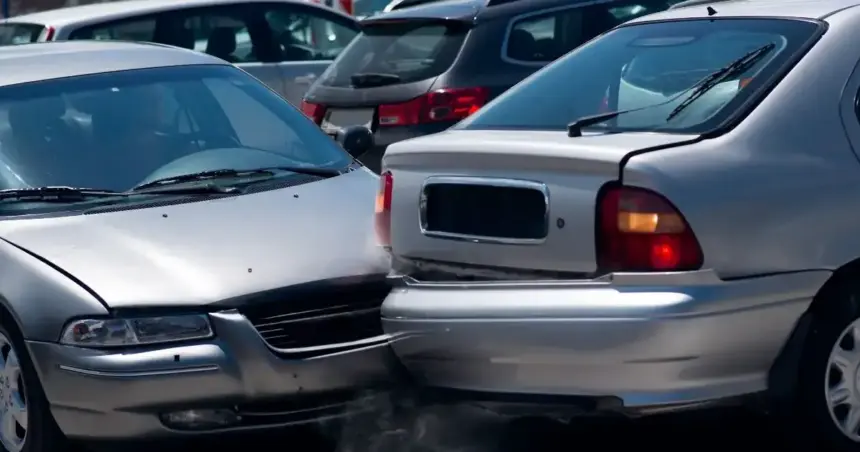
After a few years of declining statistics, annual road traffic accident (RTA) deaths in the United States are rising again. According to an analysis published by The New York Times in April 2026, the National Highway Traffic Safety Administration (NHTSA) has been reporting an uptick in fatal RTAs over the last two years. After reaching a peak of 42,939 deaths in 2021, which was the deadliest year on American roads since 2005, the NHTSA reported declining figures until 2025.
Although the 39,345 RTA deaths reported in 2024 represent an auspicious decline, NHTSA actuaries and statisticians expected the number to rise above 40,000 in 2026. The annual number of crashes reported by law enforcement agencies has stabilized since 2023; they are currently at 6.1 million, and many occur near major shopping centers, a trend that persists despite significant advances in driver assistance technology, signage, and traffic management efforts.
RTA Situations at Major U.S. Shopping Centers
American drivers are 50% more likely to be involved in RTAs within five miles of their homes. This well-documented reality comes from insurance industry research; it is generally accepted because daily commuting, running errands, dropping off children at school, visiting local friends, and making quick trips to grocery stores account for the majority of driving time.
According to the Store Safety Council, approximately 20% of all RTAs are reported near major retail centers, including indoor shopping malls, outlets, commercial districts, and outdoor strip malls. These are traffic zones with a high-density mix of roadway access points, intersections, foot traffic, parking lots, congestion, and distracted driving situations.
The main types of RTAs reported in and around shopping centers include:
Blind-Spot Collisions and Driving in Reverse
When drivers back out of parking spaces into main driving lanes, they are more vulnerable to colliding with vehicles, bicycles, shopping carts, and pedestrians. A common RTA at mall parking lots involves two vehicles simultaneously pulling out of opposing spaces.
Blind spots and obstructed sightlines factor significantly in these RTAs, particularly when drivers are surrounded by large parked SUVs or trucks. Failure to yield the right-of-way to vehicles on the feeder and driving lanes is a common issue. While many vehicles feature backup cameras and blind-spot alerts, they can also create over-reliance conditions among drivers who completely ignore visual checks.
Pedestrian and Cyclist Strikes
In this scenario, a vehicle turns into a parking aisle, cuts across marked crosswalks, or reverses out of a space before striking a pedestrian or bicycle rider. Unfortunately, pedestrian shoppers and non-vehicle occupants represent one-third of all parking lot fatalities in the U.S.
Foot traffic is particularly vulnerable at shopping centers because pedestrians assume drivers will see them. In many situations, drivers are more focused on searching for parking spots. Distracted driving is another compounding factor, particularly during the busy holiday shopping season.
Despite a higher prevalence of pedestrian detection sensors with automatic braking features in advanced driver assistance systems (ADAS), this type of shopping center RTAs keeps car accident lawyers and auto insurance adjusters consistently busy.
Intersection and Perimeter Collisions
Beyond the parking lot, many shopping center RTAs feature high-impact crashes in their periphery. Side-impact and head-on collisions often occur at intersections, traffic circles, and multi-lane roads leading into retail plazas. The factors include drivers making aggressive left turns against oncoming traffic during short green-light periods, failing to yield when entering parking lots, or exiting shopping plazas without a clear view of oncoming traffic.
Right-of-Way Conflicts and Failing to Yield
These RTAs often involve two vehicles colliding at intersections, parking lots, or lane junctions feeding into main roads. Disregarding stop signs is a common cause; many drivers treat parking lots as open terrain, disregarding signage and safety as they cut across stalls and driving lanes. This situation highlights the danger posed by drivers who feel overconfident while navigating parking lots during slower shopping days, thus carrying that carelessness onto the roadways.
Storefront Crashes and Sidewalk Invasions
Despite the news headlines and social media discussion storefront crashes generate, they fortunately represent a small percentage of shopping center RTAs. Pedestrian zone overruns are similarly uncommon and equally concerning; like storefront crashes, they spark considerable fears among shoppers and retail workers.
Mistaking the accelerator for the brake pedal while parking or maneuvering into handicap spaces is a common cause of these RTAs. Low-speed impairment and sudden health crises are also causal factors. Modern ADAS features can prevent low-speed RTA collisions, but their performance success depends on sensor configuration, target classification, and operational limits.
Bumper-to-Bumper Collisions
Like in traffic jam situations, sudden starts and stops in the main parking sections of busy shopping centers increase the risk of rear-end and low-speed collisions. Distracted driving is a significant factor that experienced car accident lawyers like those at Owen, Owen & Smith will look into when handling personal injury cases in at-fault jurisdictions. Other reasons these RTAs occur include stopping abruptly for pedestrian shoppers, waiting for parking spaces to open up, and yielding to vehicles other drivers can’t see.
Driver Behavior and Associated Factors
Peak shopping periods create high-risk environments for drivers navigating through shopping centers and commercial districts. Overcrowded retail parking lots frequently reach their traffic capacity during holiday rushes, weekend afternoons, shopping events, and severe weather. Under these high-congested conditions, many drivers prioritize speed and convenience over safety, thus impairing situational awareness as frustration mounts.
Behavioral breakdown situations often result in unsafe maneuvers. Speeding across feeder lanes, cutting diagonally through empty parking sections, backing up without checking blind spots, and tailgating are invariably problematic near retail centers. These actions elevate multiple RTA risks. Multi-level parking garages introduce driving hazards such as dim illumination, narrow lanes, steep ramps, low clearance, and reduced visibility.
Traffic safety researchers frequently mention distracted driving as a widespread epidemic near major shopping centers. Many American drivers navigate crowded retail corridors while dealing with a cognitive overload; for example, juggling mental shopping lists, sorting tight schedules, and packed itineraries. Mobile devices add to the distracted driving hazards through hands-free phone calls and real-time notifications. Operating a motor vehicle with too much on one’s mind lowers cognitive bandwidth, resulting in delayed hazard recognition and slower reaction times.
In the end, low-speed traffic, cognitive distractions, and dense pedestrian foot traffic make shopping center RTAs significant in personal injury litigation. Determining legal liability in these crashes often extends beyond insurance claims and driver disputes. Depending on the circumstances, shopping center RTA cases may involve comparative negligence assessments between motorists, premises liability, and third-party claims.