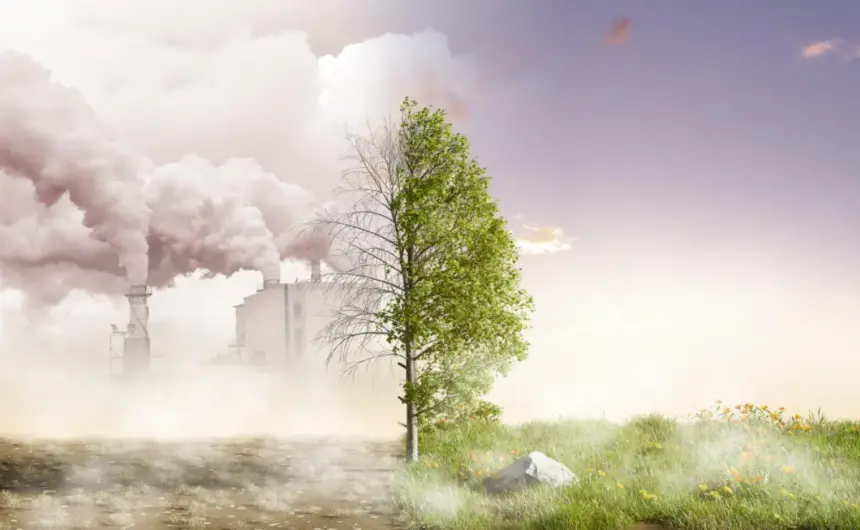
Haze in Thailand can turn a morning walk into an indoor day, aggravate breathing problems, and disrupt travel plans. The pollution varies by region and season, so a clear day in one city doesn’t guarantee clean air elsewhere.
Thailand is working toward cleaner air and a healthier environment, but lasting progress depends on changes across transport, farming, industry, energy, and public policy. Understanding what Thailand’s air quality index numbers mean is a useful first step; next, it helps to see what drives pollution and what can reduce it.
Key Takeaways
- Thailand’s PM2.5 comes from several sources, including crop and forest fires, vehicle exhaust, industry, and smoke drifting across borders. Their impact varies by region and season.
- In northern Thailand, dry-season burning and weather that traps smoke near the ground can drive hazardous haze. Learn more about the causes of Northern Thailand’s PM2.5 haze.
- Cleaner air depends on sustained action, including burning restrictions, practical support for farmers, cleaner vehicles, and stronger pollution controls. Thailand’s plan to tackle PM2.5 pollution outlines several of these measures.
- The health burden is serious: the State of Global Air 2025 report attributed more than 50,000 deaths in Thailand in 2023 to PM2.5, according to the Lowy Institute’s analysis.
Thailand’s Move to a Cleaner Environment and Fresh Air: What Is Driving Change?
Thailand’s air pollution changes with the weather, the season, and the sources nearby. PM2.5 is fine particulate matter measuring 2.5 micrometers or less, small enough to travel deep into the lungs. In the dry season, fires can add smoke while weather slows its dispersal, but the causes and severity differ by region.
Why PM2.5 pollution rises in the dry season
In northern Thailand, crop-residue burning and forest fires can release large amounts of smoke during the dry months. With little rain to wash particles from the air, PM2.5 can accumulate. Weak winds may keep it close to the ground, while temperature inversions can hold polluted air beneath warmer air above. NASA has documented smoke from biomass burning across northern Thailand, where local fires and regional smoke can both affect air quality.
However, this pattern does not describe every part of the country. In Bangkok, vehicle exhaust and other urban emissions can contribute to pollution, while southern Thailand has its own mix of local and regional sources. Wind can also carry smoke across provincial or national borders, so a community may experience haze from fires far away. That is why PM2.5 pollution in Thailand can vary sharply between locations and from one season to the next.
Weather helps explain why the same emissions can produce different air quality on different days. Rain and stronger winds can disperse or remove particles; dry, stagnant conditions can allow them to linger. Seasonal timing offers a clue, but it cannot predict the severity of a particular haze episode.
How pollution affects health and daily life
PM2.5 is small enough to bypass some of the body’s natural defenses and reach deep into the lungs. Short-term exposure can irritate the eyes and throat, trigger coughing, and make breathing harder. People with asthma or other existing lung and heart conditions may notice symptoms worsen during periods of poor air.
Long-term exposure is linked to serious health problems, including heart and lung disease. Children, older adults, and people with existing health conditions can face greater risks, although polluted air can affect anyone. The State of Global Air report tracks health risks associated with ambient PM2.5 exposure in Thailand and other countries.
Poor air also changes ordinary plans. Schools may limit outdoor activities, workers who spend time outside may face repeated exposure, and residents may avoid exercise or errands. Haze can reduce visibility and make outdoor visits less appealing for travelers, which can affect tourism in areas experiencing severe pollution. Checking local readings matters because conditions can differ between provinces, and a national or regional snapshot may not reflect the air where someone lives or plans to go.
Where Thailand’s Air Pollution Comes From
Thailand’s PM2.5 pollution has no single cause. Traffic and industry matter in cities, while burning can drive severe seasonal haze in farming and forested areas. Wind can also carry smoke across provincial and national borders, so local air quality may reflect emissions from far away.
Traffic, factories, and construction in urban areas
In Bangkok, cars, buses, and diesel trucks release fine particles and gases that can help form PM2.5. Congestion and slow-moving traffic keep emissions concentrated near busy roads. Factories add pollution through fuel use and industrial processes, while construction work and road dust can send particles into the air.
These sources can overlap with smoke from fires outside the city. As a result, a high reading in Bangkok may reflect both local emissions and pollution carried in by wind. Research on Bangkok’s air identifies transportation and industry among the local sources of PM2.5, alongside influences from outside the city. For a closer look, see what drives Bangkok’s PM2.5 pollution.
Construction dust is not the same as smoke, but it can add to particulate pollution, especially when sites lack effective dust controls or vehicles track loose soil onto roads. Meanwhile, the mix of sources differs across urban centers, depending on traffic, nearby industrial activity, construction, and weather. Bangkok offers a useful example of urban pollution, but it does not represent every region of Thailand.
Crop burning, forest fires, and cross-border haze
In farming areas, some farmers burn crop residue because it clears fields quickly and costs less than collecting, transporting, or processing leftover plant material. Burning may also fit tight schedules between harvest and the next planting. Where affordable equipment, labor, or markets for agricultural waste are limited, alternatives can be difficult to adopt.
Forest and land fires add smoke during the dry season. Some fires begin accidentally, while others are linked to land clearing or other human activity; the causes vary by location and event. Dry vegetation and limited rainfall can help fires spread, and calm weather can keep smoke close to the ground.
Smoke does not stop at provincial or national borders. Winds can carry particles from fires elsewhere in the region into Thailand, where they mix with pollution from local sources. A study of transboundary PM2.5 from biomass burning examines how regional smoke affected mainland Southeast Asia during the 2019 dry season. Its findings help explain why haze can affect communities far from the fires themselves.
The balance changes by place and time. Northern provinces may face a combination of agricultural burning, forest fires, and cross-border smoke; cities contend with traffic and industrial emissions, too. A haze event can involve several sources at once, so addressing Thailand’s air pollution requires measures suited to each region rather than a single nationwide explanation.
How Thailand Is Working Toward Cleaner Air
Thailand’s response to PM2.5 combines public monitoring, health warnings, pollution controls, and efforts to coordinate government agencies. These steps help people respond to bad air, but lasting reductions also depend on rules that receive funding, enforcement, and regular follow-up.
Air quality standards, monitoring, and public alerts
Monitoring stations measure pollutants in specific locations, giving officials and residents a clearer picture than a nationwide average can provide. Thailand’s Pollution Control Department shares readings through Air4Thai, which reports air quality data and helps people check conditions near home, work, or travel destinations.
Readings can vary across a city, let alone between provinces. A station near a major road may record different conditions from one in a residential area, and wind can carry smoke into communities far from a fire. Check the location and time of a reading, then compare nearby stations when available. That gives a more useful view than relying on a single number.
Public alerts matter most when they tell people what to do. A warning can advise residents to reduce strenuous outdoor activity, use a well-fitting particulate respirator when exposure is hard to avoid, or move activities indoors. Thailand has used phone alerts and health guidance during high-pollution periods; government warnings during severe PM2.5 pollution describe measures taken during an episode. Clear advice should also identify who faces higher health risks and where to find updated local readings.
Laws, enforcement, and regional cooperation
Rules can address emissions from vehicles, factories, and open burning, but their effect depends on implementation. Inspections must detect violations, penalties must be credible, and agencies need staff and funding to follow up. Authorities also need to track whether pollution declines, rather than treating a new policy or seasonal campaign as proof of progress.
Thailand already has environmental laws and administrative tools for pollution control. For example, a court order directed the National Environment Board to designate Chiang Rai, Chiang Mai, Lamphun, and Mae Hong Son as PM2.5 pollution control areas each year from February through May. The court order on northern Thailand pollution zones illustrates how existing legal powers can require specific government action.
A broader Clean Air Bill has been proposed, with provisions intended to strengthen oversight and clarify responsibilities. However, reporting describes the bill as stalled in the legislative process, so proposals in it should not be presented as enacted requirements. The distinction matters: Thailand’s stalled Clean Air Bill outlines measures under discussion, not powers residents can assume are already in force.
Pollution also crosses provincial and national borders. Provincial agencies need to share fire and air-quality information, while national agencies can coordinate response plans and resources. For smoke carried from neighboring countries, Thailand’s cooperation with other ASEAN members provides a framework through the ASEAN Agreement on Transboundary Haze Pollution. Agreements and shared plans can support monitoring and joint action, but reducing haze still requires practical follow-through at the local level.
The clearest measure of progress is whether emissions fall and people face fewer days of unhealthy air. That requires public data, funded enforcement, and regular reporting on results.
The Practical Changes That Can Cut Pollution
Policies matter when they lead to changes people can see: fewer smoky vehicles on busy roads, cleaner production at industrial sites, and less smoke from fields. Each measure needs investment, clear standards, and follow-up to show whether emissions actually fall.
Cleaner transport and more efficient cities
Public transit gives people a practical alternative to driving, especially when buses and rail connect homes with jobs and essential services. Replacing diesel buses with electric models can reduce exhaust along busy routes. Northern Thailand’s first electric bus fleet shows how cleaner vehicles can be introduced in regional transport.
Cities can also make short trips easier without a car. Connected sidewalks, safe crossings, and protected cycling routes help residents walk or bike, while traffic signals and delivery rules can reduce idling and bottlenecks. Better urban planning places homes, transit, and daily services closer together, which can shorten commutes and cut time spent in traffic.
Thailand’s Integrated Assessment by the Climate and Clean Air Coalition examines policy options for reducing air pollution. Results depend on reliable transit, vehicle inspections, and enforcement. Bangkok’s low-emission zones can restrict high-polluting heavy vehicles during severe haze, but businesses need clear rules and workable delivery alternatives.
Cleaner energy, buildings, and industry
Renewable power and energy efficiency can reduce pollution from electricity generation and fuel use. Solar power, efficient cooling systems, and well-insulated buildings can lower demand, while cleaner industrial equipment can reduce emissions at the source. However, cleaner electricity does not remove exhaust from traffic or smoke from seasonal fires. Those sources require their own targeted measures.
Factories can limit harmful emissions by upgrading boilers, maintaining equipment, and installing pollution controls suited to their processes. Monitoring systems and regular inspections help identify problems before they persist. For buildings, efficient air conditioning and lighting can lower energy use without sacrificing comfort, an important consideration in Thailand’s hot climate.
These changes require capital and careful rollout. Smaller businesses may need financing or technical support to meet new standards, and power systems need to manage variable renewable output. Progress is easier to verify when officials publish emissions data and track energy use alongside air-quality readings.
Alternatives to burning farm waste
After harvest, farmers can chop crop residue and return it to the soil, compost it, or collect it for uses such as animal bedding or biogas production. These options keep plant material out of open fires and can put some of its value back into farming. Thailand’s crop-residue alternatives to open burning include approaches such as composting and using residues for energy.
Yet alternatives must work within local farming schedules. Collecting bulky residue takes labor and transport, and machinery can be expensive, particularly for small farms. Composting or processing also requires space, equipment, and nearby services that may not be available in every community. Biogas projects need steady supplies of organic material and reliable systems to operate.
Lasting change depends on support for farmers, not just bans. Shared machinery, collection services, training, and dependable buyers for processed residue can make non-burning methods more practical. Local programs should account for crop type, harvest timing, and available infrastructure, then measure whether burning declines.
What Cleaner Air Means for Communities and Travelers
Cleaner air can make daily life easier in ways that go beyond fewer haze alerts. Residents can spend more time outdoors, children can play and exercise with less disruption, and people with asthma or heart and lung conditions may face fewer pollution-related triggers. For travelers, clearer skies and more comfortable outdoor conditions can make a visit more enjoyable, especially in destinations where walking, sightseeing, and outdoor dining are part of the experience.
Those benefits depend on sustained reductions in pollution, not just a brief break in the haze. Personal choices can help limit exposure and support cleaner practices, but they cannot replace effective public policy, enforcement, and cuts to emissions from transport, industry, and open burning.
How people can protect themselves during haze episodes
Air quality can change between neighborhoods and throughout the day, so check local readings before planning outdoor activities. Thailand’s Pollution Control Department provides updates through Air4Thai, and local monitors can offer additional context. Compare readings from nearby locations when possible, then adjust plans if pollution is high.
When PM2.5 rises, reduce strenuous outdoor activity, particularly near busy roads or smoky areas. Move exercise indoors or choose a time when readings are lower. If you need to be outside, a well-fitting particle-filtering respirator, such as an N95, KN95, or KF94, can help reduce exposure. Fit matters: gaps around the nose and cheeks let polluted air in. Chiang Rai residents and visitors can find location-specific advice in this guide to managing seasonal PM2.5.
At home or in a hotel, keep windows closed when outdoor air is worse than indoor air, and use effective particle filtration if available. People with asthma, heart disease, or other health concerns should follow their medical professional’s advice and keep prescribed medication accessible. If symptoms worsen or breathing becomes difficult, seek medical care.
These steps can reduce exposure during a haze episode, but they do not remove pollution from the air. The World Health Organization’s guidance on personal actions to reduce exposure also places individual precautions in the wider context of reducing air pollution at its source.
How residents, businesses, and visitors can help
Residents and visitors can make lower-emission choices when practical. Take public transit, share rides, walk short distances on less polluted routes, or choose an efficient vehicle instead of making every trip by car. Avoiding open burning of leaves, household waste, or crop residue also helps keep smoke out of the air.
Businesses can support cleaner air by maintaining vehicles and equipment, limiting unnecessary idling, and following rules on emissions and burning. Travelers can favor operators that manage waste responsibly and avoid practices that create smoke. If you see a suspected pollution or burning violation, report it through the relevant local or provincial government channel, and include the location and time when possible.
These actions matter, but their reach has limits. A resident who avoids burning cannot control smoke from distant fires, and a traveler choosing a bus cannot set vehicle standards. Personal choices work best alongside public monitoring, enforceable rules, practical alternatives for farmers and businesses, and consistent emissions reductions. When those efforts combine, cleaner air can support healthier communities and make Thailand a more comfortable place to live and visit.
What Still Stands in the Way of Fresh Air in Thailand?
Thailand has identified many ways to reduce PM2.5, but putting them into practice across the country takes time and resources. Progress can vary by province, season, and pollution source, so a new rule or a few clear days cannot tell the whole story.
Why good plans can be hard to put into practice
Air pollution crosses agency and provincial boundaries, while budgets and responsibilities often remain divided. Local officials may need to monitor fires, inspect vehicles or factories, and enforce restrictions with limited staff and equipment. When agencies do not share information or coordinate their response, rules can be applied unevenly.
Enforcement also affects people whose livelihoods depend on the activities being restricted. Farmers may burn residue because machinery, collection services, or other methods cost more or are not available nearby. Workers and small businesses can face similar pressure when cleaner vehicles, equipment, or production methods require upfront spending. A ban may reduce burning in one area, yet leave people with few workable options.
That does not mean enforcement should be set aside. It means restrictions work better when they come with practical support, such as shared farm machinery, affordable residue collection, clear transition periods, or financing for cleaner equipment. Thailand’s open-burning restrictions and farmer incentives illustrate why the response needs both rules and alternatives.
Weather adds another complication. Dry-season conditions can trap smoke, while rain and wind can clear it temporarily without reducing emissions. Smoke can also travel across borders, meaning local action alone cannot control every haze episode. Regional information-sharing and cooperation matter alongside measures within Thailand.
How to tell whether air quality is truly improving
One clean-air day is not enough to show that pollution has fallen. Weather, wind direction, and the timing of fires can change readings sharply. A policy announcement also shows intent, not whether emissions have declined.
Look for multi-year trends in PM2.5, including annual averages and the number of days that exceed Thailand’s air-quality standards. The IQAir Thailand air-quality report provides a national view, but readers should also check local readings. National averages can hide persistent problems in northern communities or near busy urban roads.
For a clearer picture, compare data across several years and locations, including both urban and rural areas. Local monitoring can help reveal conditions that a national figure misses; Chiang Rai’s official and local PM2.5 readings explain why different sensors may report different results. Public reporting should make it possible to see where measurements came from, how often authorities collected them, and whether pollution changed after new controls began.
A credible sign of progress is a sustained decline in PM2.5 across multiple locations, not a brief dip during favorable weather.
Fewer high-pollution days matter, too, especially if reductions appear in both city centers and areas affected by seasonal burning. Transparent updates on enforcement, emissions, and local air readings help the public judge whether policies are working. Over time, those measures can show whether Thailand’s cleaner-air push is reducing exposure, rather than simply responding to each haze season.
Frequently Asked Questions
Thailand’s PM2.5 patterns depend on more than the calendar. Local emissions, fires, and weather all affect when haze develops and how long it lasts, so check current conditions rather than relying on seasonal expectations alone.
When is air pollution usually worst in Thailand?
Northern provinces often face their most serious haze during the dry season, when crop and forest fires can coincide with limited rainfall and weather that traps smoke. However, the onset and duration vary each year, and a change in wind or rain can quickly alter local readings. Bangkok and other cities can experience unhealthy air outside the northern burning season because traffic, industry, and weather also influence pollution. For local context, see Chiang Rai’s burning season and air quality.
Which parts of Thailand are most affected by haze?
Northern provinces such as Chiang Rai and Chiang Mai can be heavily affected by seasonal fires and smoke carried across borders. In Bangkok and other major cities, traffic and industrial emissions can add to haze, while local fires and weather may also affect readings. Conditions differ between provinces and even between neighborhoods, depending on nearby sources, wind, and rainfall. As a result, a clear reading in one destination doesn’t tell you what the air is like elsewhere.
What does PM2.5 mean?
PM2.5 refers to fine particles with diameters of 2.5 micrometers or smaller. Because these particles are small enough to travel deep into the lungs, exposure can irritate airways and worsen symptoms for people with asthma or other heart and lung conditions. Health risks can affect anyone, especially during prolonged or repeated exposure. The EPA’s explanation of particulate matter covers particle sizes and potential health effects.
Are there simple ways to check Thailand’s air quality?
Check Thailand’s Pollution Control Department monitoring updates and compare them with trusted air-quality reports, such as those from established monitoring organizations. Look for PM2.5 readings near your home, hotel, workplace, or planned destination, and note when the station last updated. Measurements can differ across a city, so a national average or a reading from another province may not reflect local conditions. During haze episodes, check again before spending time outdoors because readings can change.
Can one person make a difference to air pollution?
Individual choices can reduce some emissions: use public transit or share rides when practical, maintain vehicles, and avoid burning household waste or leaves. Residents can also support local efforts that provide farmers and businesses with workable alternatives to open burning and high-emission practices. These steps help, but one person’s choices cannot control distant fires or set pollution limits. Lasting reductions also require coordinated government action, consistent enforcement, and businesses that invest in cleaner equipment and operations.
Conclusion
Thailand’s move toward cleaner air depends on steady progress across transport, energy, farming, industry, and public policy. Cleaner vehicles and practical alternatives to field burning can help, but lasting change also requires rules that agencies can enforce and communities can follow. Bangkok’s planned Low Emission Zone expansion is one transport measure, while solutions to Thailand’s seasonal haze and urban pollution highlight why action must address several sources at once.
Open air-quality data helps residents track local conditions and assess progress. Support for farmers and other affected communities makes cleaner practices more workable, while sustained emissions cuts can reduce exposure over time. Thailand’s cleaner-air goals are within reach if policy, public information, and practical support move forward together.