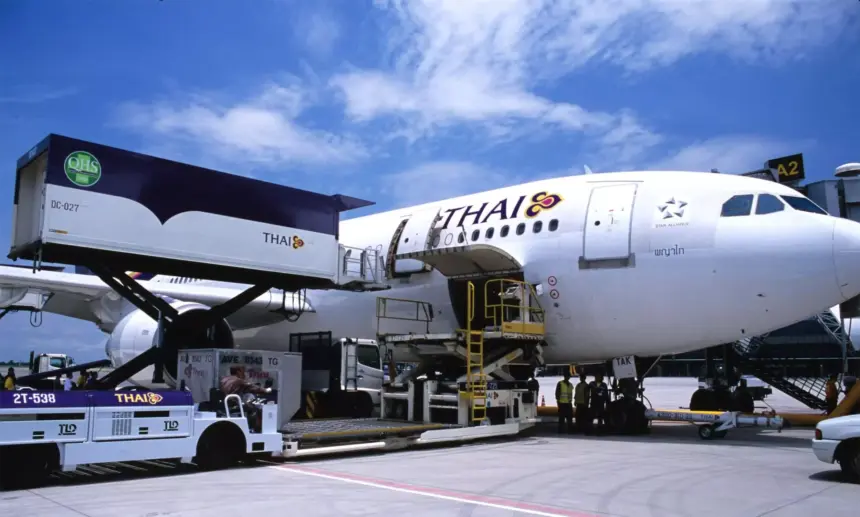
BANGKOK — Thai Airways International swung to a net loss of 418 million baht in the third quarter of 2026, reversing a 4.42 billion baht profit from a year earlier as soaring aviation fuel bills and one-off charges erased operational gains. The flag carrier reported Tuesday that total revenue climbed 12.9% year-on-year to 50.128 billion baht, yet a 29.1% surge in operating expenses dragged the bottom line into the red.
The earnings squeeze underscores how vulnerable Southeast Asian carriers remain to global energy shocks and currency swings, even when passenger cabins fill up. Thai Airways posted an operating profit of 3.842 billion baht before finance costs and one-time items, proving its core flight business still makes money, though heavy debt servicing and non-operating hits wiped out that cushion.
Key Takeaways
- Bottom-line reversal: Thai Airways logged a Q3 net loss of 418 million baht despite growing revenue to 50.128 billion baht and generating 3.842 billion baht in core operating profit.
- Cost spike outpaces sales: Operating expenses jumped 29.1% year-on-year, driven by surging jet fuel prices, finance costs and 1.13 billion baht in one-time flood and foreign-exchange losses.
- Nine-month buffer holds: The airline carried 3.97 million passengers in Q3 and stayed profitable over the first nine months of 2026 with a net profit of 11.19 billion baht.
How Operating Profits Turn Into Net Losses
An airline can fly profitable routes and still lose money overall. Operating profit measures only what a carrier earns from selling tickets and cargo after paying day-to-day flight costs like fuel, crew wages and maintenance. Net income sits further down the ledger, absorbing interest payments, taxes and sudden non-recurring charges.
In Thai Airways’ third-quarter filing, those below-the-line expenses tipped the scale. According to Bangkok Post, the carrier absorbed 1.13 billion baht in one-time items tied primarily to severe flood damage and foreign-exchange losses, alongside ongoing finance costs from its restructured debt load. Once those charges hit the ledger, the 3.842 billion baht operating surplus vanished.
Fuel Costs and Fleet Utilization Under Strain
Jet fuel remains the single biggest wildcard in airline balance sheets. Escalating geopolitical conflict in the Middle East pushed global aviation fuel prices sharply higher during the quarter, inflating Thai Airways’ total operating expenses to 46.286 billion baht. Partial fuel hedging cushioned some of the shock, though not enough to offset a nearly 30% jump in costs.
Passenger demand held steady despite the traditional third-quarter monsoon lull. The airline carried 3.97 million travelers across its 91-aircraft fleet, posting a cabin factor of 76.5%. Maximizing daily aircraft utilization helps spread fixed leasing and maintenance expenses across more seats, yet elevated scheduled maintenance costs and regional competition kept yields under pressure.
Regional Headwinds and the Nine-Month Picture
Thai Airways is hardly alone in feeling the third-quarter pinch across Bangkok’s aviation hubs. Rival budget carrier Asia Aviation, parent of Thai AirAsia, posted a quarterly net loss of 2.37 billion baht and a nine-month deficit of 3.85 billion baht as fuel and currency pressures rippled through Suvarnabhumi and Don Mueang airports.
By comparison, Thai Airways’ broader 2026 trajectory remains intact following its multi-year court-supervised debt rehabilitation. For the first nine months of the year, the carrier recorded an operating profit of 21.281 billion baht and a net profit of 11.19 billion baht, down from 26.37 billion baht a year earlier. Management reported strong fourth-quarter advance bookings as Thailand enters its peak winter tourism season, positioning the airline to recoup third-quarter losses before year-end.
Trending News:
Thai Airways Data Breach Exposes 60,529 Records
Thai Airways Make Emergency Landing Over Cracked Windshild