
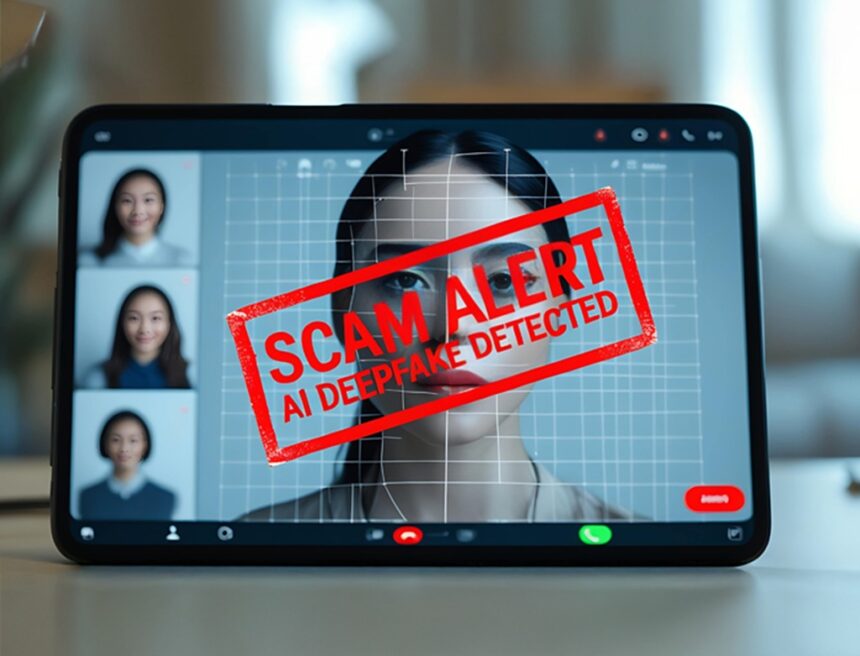
BANGKOK — Thailand’s Deputy Prime Minister and Finance Minister Ekniti Nitithanprapas has filed a formal police complaint after fraudsters used artificial intelligence to clone his face and voice in fake investment advertisements circulating on Facebook and YouTube.
The deepfake videos mimic the minister’s likeness to pitch high-return stock and cryptocurrency schemes to both Thai residents and foreign expatriates. Authorities warn that criminals are exploiting public trust in senior economic officials to steal millions of baht from unsuspecting retail investors across the kingdom.
Key Takeaways
• Finance Minister Ekniti Nitithanprapas filed a criminal report after AI-generated ads used his likeness to promote fraudulent investment platforms on Facebook and YouTube.
• Scammers specifically target expatriates and local savers by pairing cloned official endorsements with promises of guaranteed, fast financial returns.
• Investors can verify legitimate brokers through the Securities and Exchange Commission database and report suspected fraud immediately via Thailand’s 1441 hotline.
Why Impersonation Scams Are Surging in Thailand
This incident fits a wider wave of synthetic media fraud hitting Southeast Asia. Cybercrime syndicates operating from cross-border scam compounds increasingly rely on generative AI tools to mass-produce localized video ads in Thai and English. Ekniti noted during a recent judicial briefing that AI avatars now copy human facial movements and vocal cadence closely enough to fool casual viewers, though subtle mismatches remain visible upon close inspection.
Foreign retirees and remote workers living in Thailand face acute risks. Many expats hold liquid savings in local or offshore accounts while navigating unfamiliar financial regulations. Scam networks exploit this gap by buying sponsored social media placements that route users into private LINE or WhatsApp chat groups. Once inside, fake financial advisers pressure victims into transferring funds to personal mule accounts rather than registered corporate entities.
How to Spot Deepfakes and Verify SEC Licenses
Spotting a deepfake requires checking both visual cues and financial claims. Look closely at the speaker’s mouth movements, blinking patterns, and lighting around the jawline, where AI rendering often blurs or lags behind the audio track. Legitimate Thai cabinet officials and state agencies never endorse private trading apps or promise fixed daily profits on social media.
Before transferring money, investors should check whether a firm holds an active license with the Securities and Exchange Commission of Thailand. The regulator maintains a public Investor Alert list flagging unauthorized operators, cloned websites, and fraudulent Facebook pages. Never transfer investment capital into an individual’s personal bank account, even if the representative displays forged government certificates.
Immediate Steps for Reporting Suspected Fraud
Speed determines whether stolen funds can be recovered. Victims who have already transferred money should immediately call the government’s 24-hour Anti-Online Scam Operation Center at 1441. Operated by the Ministry of Digital Economy and Society alongside commercial banks, the center can freeze suspected mule accounts rapidly before criminals move money overseas.
Expatriates and local residents can also submit screenshots, ad links, and bank transfer slips directly to the SEC’s public service center at 1207 or file an online complaint with the Royal Thai Police cybercrime division. Reporting suspicious ads directly on Facebook and YouTube helps platform moderators take down active campaigns before more savers lose money.