BANGKOK – Thailand and China signed two new phytosanitary protocols in Beijing this week, opening the Chinese market to fresh Thai salacca while overhauling export rules for fresh durian for the first time since 2004. The agreements, finalized during Prime Minister Anutin Charnvirakul’s official visit alongside seven other bilateral cooperation documents, establish strict pest-control and packaging rules aimed at preventing border rejections.
The deal gives Thai growers immediate legal access to China’s consumer market for salacca, a spiky reddish-brown fruit commonly called snake fruit, while modernizing inspection rules for Thailand’s top agricultural export. Thai commerce officials project the salacca protocol will generate substantial new export revenue, though commercial shipments remain pending orchard registrations and confirmed buyer contracts.
Key Takeaways• New Market Access: Fresh Thai salacca (snake fruit) gains official entry into China under a newly signed bilateral plant health protocol. • Overhauled Durian Rules: The updated durian protocol replaces a 2004 framework, enforcing unified orchard and packing-house quarantine controls. • Projections vs. Sales: Government figures reflect estimated export potential for salacca rather than locked-in commercial orders. |
Tighter Farm-to-Port Quarantine Controls
Under the Cabinet-approved regulations, Thai exporters cannot simply box fruit and ship it north. Every orchard supplying durian or salacca to China must hold active Good Agricultural Practice certification, which tracks pesticide use, soil health and pest management from flowering to harvest.
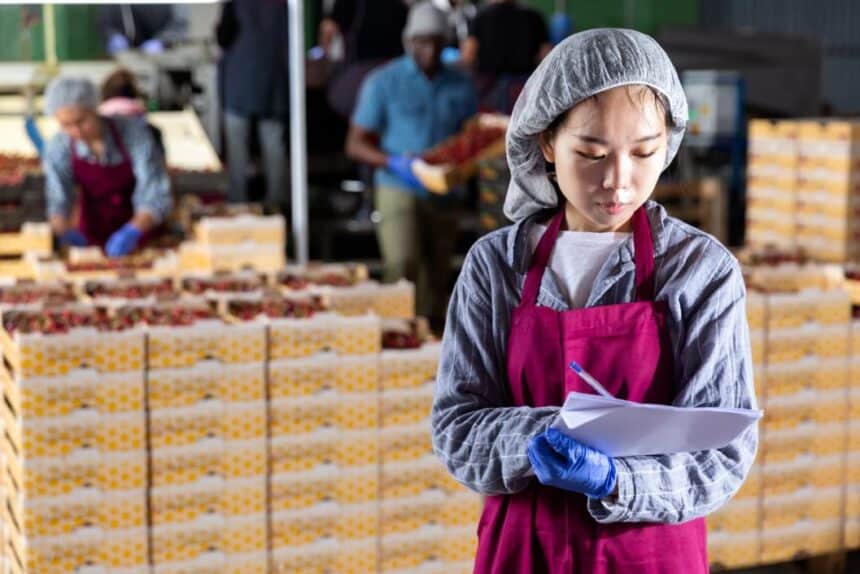
Once harvested, fruit must move exclusively through facilities certified under Good Manufacturing Practice standards. Workers at these registered packing houses must clean, sort and inspect shipments for quarantine pests—such as mealybugs and fruit flies—before sealing cartons with traceable orchard and facility registration codes. Thai officials say updating the 22-year-old durian framework eliminates regulatory ambiguity that previously triggered costly delays at Chinese land and sea checkpoints.
Why China Tightened Standards After Border Suspensions
The protocol overhaul arrives after years of mounting friction along cross-border trade routes through Laos and Vietnam. China absorbs more than 90 percent of Thailand’s fresh fruit exports, with durian shipments alone reaching 1.2 million metric tons worth nearly 140 billion baht ($4.1 billion) in the first nine months of 2026, according to trade data tracked by Tridge.
That heavy reliance exposed Thai growers to severe price shocks whenever Chinese customs inspectors detected quarantine pests or chemical residues and temporarily suspended individual packing houses. Meanwhile, regional rivals like Vietnam and Malaysia have expanded their own fresh durian shipments into China, eroding Thailand’s near-monopoly.
Research from the Thailand Development Research Institute shows that more than 2,100 packing houses are registered for Chinese exports, yet smaller Thai-owned facilities often struggle to match the cold-chain technology of foreign-backed competitors. Standardizing rules across orchards and packing sheds is designed to protect Thailand’s market share before peak harvest seasons begin.
New Opportunities and Hurdles for Growers
For farmers in eastern provinces like Chanthaburi and Trat—Thailand’s primary salacca and durian hubs—the salacca protocol offers a rare chance to diversify income. Domestic salacca prices frequently slump during mid-year harvest gluts. Direct access to Chinese buyers could absorb surplus supply and lift farmgate prices.
Still, agricultural economists caution against conflating government trade projections with immediate cash in hand. Opening a phytosanitary channel is only the first step; Thai growers and exporters must now complete facility audits, secure Chinese import permits and build consumer demand for a fruit still unfamiliar in many northern Chinese cities.