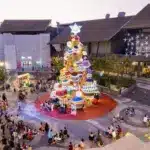
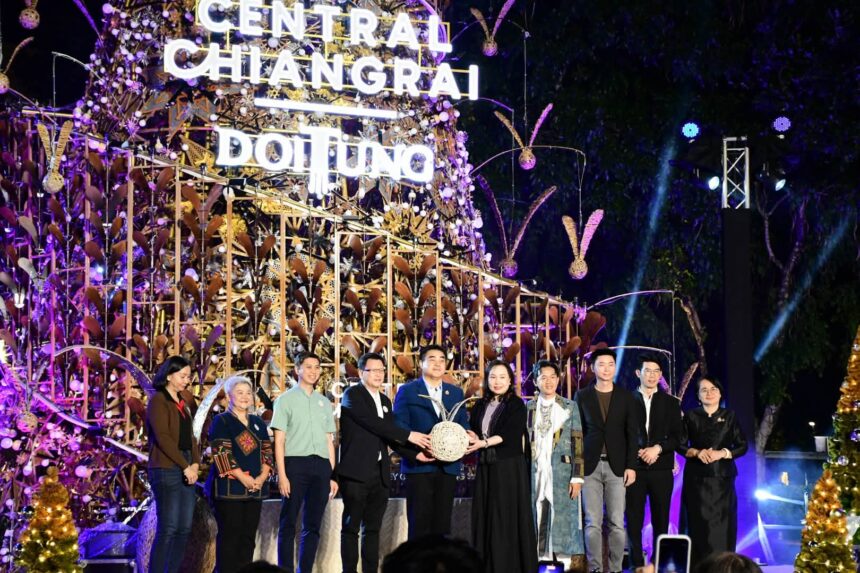
CHIANG RAI – Provincial leaders and tourism officials flipped the switch Friday night on a 15-meter bamboo Christmas tree at Central Chiang Rai, launching the “Colorful Kasalong Festival 2026” to anchor northern Thailand’s peak year-end travel season. Chiang Rai Gov. Chucheep Phongchai presided over the Nov. 20 lighting ceremony at Kasalong Courtyard alongside executives from Central Pattana PCL, the Mae Fah Luang Foundation and the Tourism Authority of Thailand.
Now in its sixth consecutive year, the collaboration blends indigenous Lanna basketry with modern holiday installations to draw domestic and international visitors into the provincial capital. Organizers designed the centerpiece—named “The Falling Star of Doi Tung” or “Mok Phan Wa”—to channel tourist spending directly into rural artisan networks, local restaurants and family-run hotels through Jan. 3, 2027.
Key Takeaways• Artisan Centerpiece: Local weavers from the Doi Tung social enterprise crafted the 15-meter bamboo tree using traditional Lanna basketry techniques and LED lighting. • Economic Catalyst: Running from Nov. 16, 2026, to Jan. 3, 2027, the festival pairs nightly markets with regional music acts to boost local small-business revenue. • Sixth-Year Alliance: Central Pattana, the Mae Fah Luang Foundation and state tourism agencies continue a six-year partnership turning highland forest heritage into an urban landmark. |
Craftsmanship Rooted in Highland Heritage
This year’s theme, “The Journey of the Falling Star Seed,” draws inspiration from the winged seed of the Dipterocarpus tree—known locally as luk yang na—native to the Doi Tung forest watershed. Craftsmen wove natural bamboo strips into swirling geometric patterns accented with star motifs and spinning seed sculptures. Seven illuminated tung ceremonial banners line the mall’s main entrance, leading visitors into a “Sea of Mist” zone filled with oversized woven seeds.
Sayan Nakboon, general manager of Central Chiang Rai, said the showcase moves beyond standard holiday decor by giving local entrepreneurs a commercial platform. Gov. Chucheep echoed that priority, noting that turning highland craftsmanship into a contemporary attraction encourages travelers to extend their stays and spend money across neighborhood eateries and guesthouses.
Why Doi Tung’s Forest Economy Matters Now
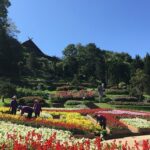
The partnership carries deep historical weight in Thailand’s northernmost province. Founded in 1988 by the late Princess Mother Srinagarindra, the Doi Tung Development Project replaced illicit opium cultivation in the Golden Triangle with sustainable forestry, specialty coffee and handloom weaving. By placing Doi Tung artisans at the center of Chiang Rai’s largest retail hub, organizers connect urban holiday shoppers with reforestation efforts 60 kilometers north in the mountains.
Timing is equally critical for the regional economy. Cool-season tourism between November and January generates the bulk of annual revenue for northern hospitality operators, especially as Chiang Rai rebuilds visitor momentum and promotes community-based travel through the Tourism Authority of Thailand. Anchoring high-profile cultural events in the provincial capital helps distribute foot traffic before travelers head toward border crossings or mountain resorts.
Night Markets and Countdown Concerts
Beyond the bamboo installation, the festival activates the surrounding plaza with the Kasalong Night Market. Local vendors and ethnic hill-tribe cooks serve regional northern dishes alongside handmade textiles and crafts, while student performers from Chiang Rai schools stage traditional music and dance.
Live concerts anchor key dates on the calendar. Pop-soul band ETC. headlined Friday’s opening night, with SL Music scheduled for Dec. 11 and Playground on Dec. 26. Vocalists Mariam and Cake B5 will lead the Countdown 2027 concert on Dec. 31, capping a seven-week run designed to keep Chiang Rai’s year-end tourism engine humming.
Trending News:
Planning a Rainy-Day Itinerary in Chiang Rai
Celebrating Christmas in Chiang Rai, Thailand