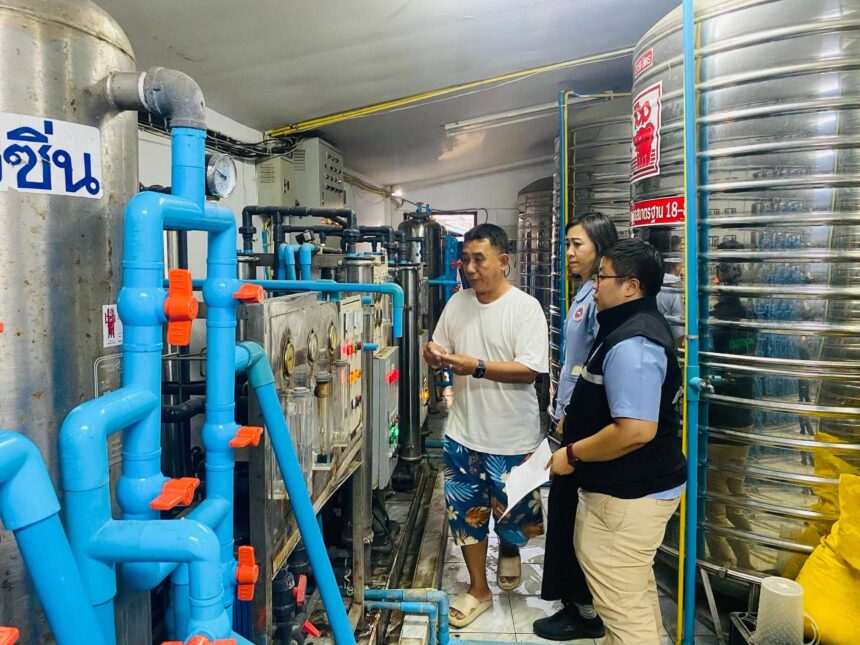
MAE SAI, Chiang Rai – Public health teams in Thailand’s northernmost district cleared all 30 water samples tested for toxic heavy metals Tuesday, offering brief relief to border residents rattled by arsenic contamination in the Sai River. Yet officials warned families not to lower their guard or rely on kitchen stoves to make river water safe.
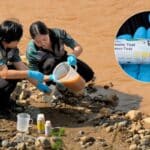
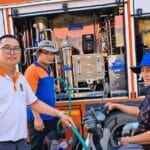
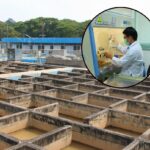
The Mae Sai District Public Health Office teamed up with Mae Sai Hospital and every subdistrict health promotion hospital on Nov. 17 to inspect bottled drinking water, commercial ice, school supplies, groundwater wells and natural waterways. While rapid field screens detected no immediate threats in the sampled batches, authorities stressed that boiling water will not remove arsenic or other heavy metals.
Key Takeaways• All 30 water and ice samples collected across Mae Sai on Nov. 17 passed preliminary field screening for arsenic and heavy metals. • Health officials urge residents to avoid raw Sai River water and warn that boiling concentrates heavy metals rather than removing them. • Rapid portable sensors provide early warnings only and cannot replace certified laboratory verification. |
Rapid Field Testing Targets Everyday Supplies
To speed up surveillance without waiting days for outside lab results, health workers deployed M-Sense portable heavy-metal sensors developed by the National Nanotechnology Center under the National Science and Technology Development Agency. Using electrochemical detection, the handheld kits screen water samples in minutes rather than hours.
Inspectors focused on daily touchpoints where tainted water could quickly reach children and households. Schools, ice factories and sealed-bottle plants have faced mounting pressure from anxious residents demanding proof their supplies remain clean. All 30 tested items cleared the initial safety threshold.
Still, district health leaders drew a sharp line between a passing field screen and a blanket guarantee. The M-Sense checks apply strictly to the specific batches collected Tuesday and cannot substitute for formal laboratory confirmation.
Cross-Border Mining Fuels Downstream Anxiety
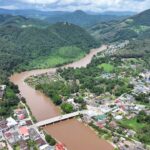
The emergency sweep reflects a widening environmental crisis along the Thai-Myanmar border. Recent tests in the Sai River detected arsenic concentrations up to 28 times above safety limits, with researchers pointing to rapidly expanding rare-earth and mineral mines upstream in Myanmar’s Shan State.
Unlike bacteria, heavy metals do not break down under heat. Boiling tainted water evaporates clean liquid and leaves behind an even higher concentration of toxins. Because cross-border runoff flows directly past Mae Sai’s dense commercial center and farming communities, transboundary river pollution has already forced more than 20,000 households to shoulder extra costs for commercial drinking water after supply interruptions.
Mae Sai health officials instructed residents to buy drinking water and ice exclusively from licensed producers under routine quality control. Families must not draw water directly from the Sai River for drinking, cooking or washing produce.
District health networks pledged continuous water monitoring across vulnerable border subdistricts, coordinating field patrols with regional laboratories to safeguard public health and restore long-term trust in local supplies.
Trending News:
Arsenic Fears Slash Mae Sai Vegetable Sales By 50 Percent
Mae Sai Locals Demand Trade Ban Over Toxic Myanmar Mines